Dry air can wreak havoc on your health, comfort, and home. Whether you’re dealing with cracked skin, static electricity, or respiratory issues, a humidifier can provide much-needed relief. But with prices ranging from under $20 to over $2,000, understanding humidifier costs can feel overwhelming.
This comprehensive guide breaks down everything you need to know about humidifier pricing, from budget-friendly portable units to whole-house systems. We’ll explore the factors that influence cost, help you determine the best value for your needs, and provide actionable insights to make an informed purchase decision.
Understanding Humidifier Types and Their Price Ranges
The cost of a humidifier varies dramatically based on type, size, features, and installation requirements. Let’s examine the main categories and their typical price ranges.
Portable Room Humidifiers
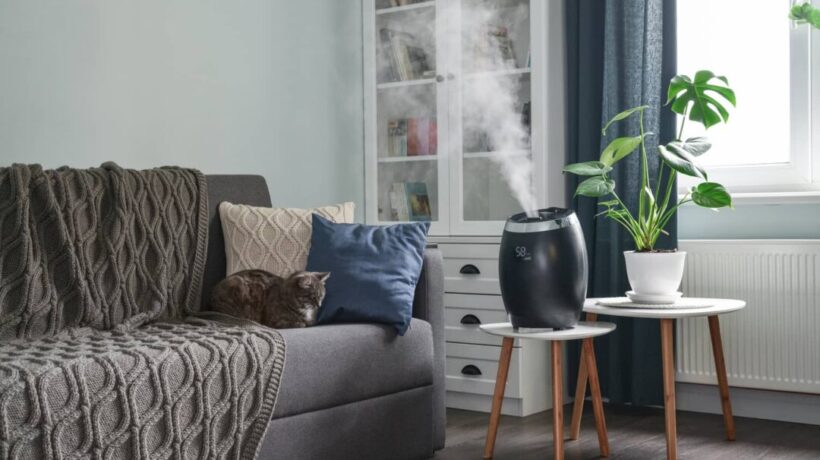
Portable humidifiers are the most common and affordable option for most homeowners. These units range from as little as $19 to as much as $800, making them accessible for virtually any budget.
Basic Models ($19-$50) Entry-level humidifiers typically feature simple designs with basic functionality. These units usually cover small rooms (up to 250 square feet) and include essential features like adjustable mist output and automatic shut-off when empty. While they lack advanced features, they’re perfect for bedrooms, offices, or dorm rooms.
Mid-Range Models ($50-$150) Mid-tier humidifiers offer better build quality, larger water tanks, and additional features like humidity sensors, timers, and remote controls. These units typically cover medium-sized rooms (250-500 square feet) and may include antimicrobial treatments to prevent mold and bacteria growth.
Premium Models ($150-$800) High-end portable humidifiers feature advanced technology, smart connectivity, precise humidity control, and superior build quality. They often include HEPA filtration, UV sterilization, or aromatherapy capabilities. These units can effectively humidify large spaces (500+ square feet) and integrate with smart home systems.
Whole-House Humidifier Systems
For comprehensive home humidity control, whole-house systems offer the most effective solution. A whole-house humidifier costs $400 to $1,200 installed, with an average cost between $392 and $765.
Equipment Costs The humidifier unit itself typically ranges from $100 to $800, depending on the type and capacity. Steam humidifiers are generally the most expensive, while bypass and fan-powered units fall in the middle range.
Installation Costs The labor cost to install a humidifier adds $100 to $900 to the total project cost. Professional installation typically costs from about $75 to $150 per hour. Complex installations requiring additional ductwork or electrical connections will cost more than straightforward installations.
Factors That Influence Humidifier Costs
Understanding what drives humidifier pricing helps you make informed decisions and avoid overpaying for features you don’t need.
Technology and Features
The type of humidification technology significantly impacts cost. Ultrasonic humidifiers use high-frequency vibrations to create mist and typically cost more than basic evaporative models. Steam humidifiers, which boil water to create vapor, often represent the premium option in their category.
Advanced features add to the base cost but can provide significant value. Smart controls, Wi-Fi connectivity, and smartphone apps typically add $50-$200 to the price. Built-in hygrometers for automatic humidity control, HEPA filters, and UV sterilization are other premium features that increase cost but improve functionality and air quality.
Size and Capacity
Humidifier capacity directly correlates with price. Small personal humidifiers with 0.2-0.5-liter tanks cost significantly less than large-capacity units with 4-6-liter tanks. The coverage area also impacts pricing, with units designed for single rooms costing less than those engineered for whole-house coverage.
Tank size affects both initial cost and ongoing convenience. Larger tanks cost more upfront but require less frequent refilling, potentially saving time and effort in daily use.
Build Quality and Brand Reputation
Established brands with strong reputations typically command premium prices but offer better reliability, customer service, and warranty coverage. Generic or lesser-known brands may offer similar features at lower prices but might lack long-term durability or comprehensive support.
Materials and construction quality also influence pricing. Units with stainless steel components, antimicrobial plastics, or premium finishes cost more than basic plastic models but often provide better longevity and performance.
Maintenance Requirements
Some humidifiers require expensive replacement filters, pads, or cartridges, adding to long-term costs. When evaluating options, consider both initial purchase price and ongoing maintenance expenses. Units with washable components or longer-lasting filters may cost more initially but provide better value over time.
Portable Humidifier Cost Breakdown
Portable humidifiers offer the most flexibility and represent the entry point for most consumers. Let’s examine specific categories and their typical features.
Personal and Desktop Humidifiers ($15-$40)
These compact units are designed for individual use in small spaces like offices, bedrooms, or travel. They typically feature:
- Small water tanks (100-500ml capacity)
- USB or battery power options
- Basic mist output control
- Coverage area of 50-150 square feet
- Runtime of 6-12 hours per fill
While limited in capacity, personal humidifiers excel in portability and energy efficiency. They’re ideal for targeted humidity relief without the expense of larger units.
Room Humidifiers ($40-$150)
Mid-sized humidifiers balance capacity, features, and affordability. Common characteristics include:
- Water tanks ranging from 1-4 liters
- Coverage areas of 200-500 square feet
- Runtime of 12-24 hours per fill
- Adjustable mist output levels
- Automatic shut-off when empty
- Basic humidity controls
This category represents the sweet spot for most households, providing adequate performance for bedrooms, living rooms, and medium-sized spaces.
Large Room and Console Humidifiers ($150-$800)
High-capacity units designed for large spaces or whole-floor coverage typically offer:
- Water tanks of 4-6+ liters
- Coverage areas exceeding 500 square feet
- Advanced humidity sensors and controls
- Multiple mist output settings
- Timer functions and programmable operation
- Premium materials and construction
- Smart connectivity options
These units justify their higher cost through superior performance, convenience features, and the ability to maintain optimal humidity in large spaces.
Whole-House Humidifier Investment Analysis
While whole-house systems require significant upfront investment, they provide comprehensive humidity control and potential long-term savings.
System Types and Costs
Bypass Humidifiers ($100-$300) These passive systems use existing furnace airflow to distribute moisture. They’re the most affordable whole-house option but require the furnace to operate for humidification.
Fan-Powered Humidifiers ($200-$500) Also called power humidifiers, these units include an internal fan for improved moisture distribution. They work more efficiently than bypass systems and can operate independently of furnace fan operation.
Steam Humidifiers ($400-$800) The premium option, steam humidifiers generate vapor by heating water. They provide precise humidity control, work in all climates, and don’t depend on furnace operation. However, they consume more electricity and require more complex installation.
Installation Considerations
The cost of a whole-house humidifier installation can range between $500 to $2,000 or more, depending on several factors:
Ductwork Modifications Homes with existing ductwork typically require minimal modifications, keeping installation costs lower. However, homes without suitable ductwork or those requiring additional return air ducts will incur higher costs.
Electrical Requirements Steam humidifiers require dedicated electrical circuits, adding $200-$500 to installation costs. Bypass and fan-powered units typically use existing low-voltage connections from the thermostat.
Water Line Installation All whole-house systems require water line connections. If existing plumbing is nearby, costs remain minimal. However, running new water lines across long distances or through finished spaces increases installation complexity and cost.
Long-Term Value Proposition
Whole-house systems offer several advantages that justify their higher initial investment:
Comprehensive Coverage Unlike portable units that humidify individual rooms, whole-house systems maintain consistent humidity throughout the entire home, eliminating dry pockets and the need for multiple portable units.
Energy Efficiency Central systems typically consume less energy per square foot of coverage compared to running multiple portable humidifiers. This efficiency translates to lower operating costs over time.
Reduced Maintenance While whole-house systems require annual maintenance, they eliminate the daily refilling, cleaning, and monitoring required by portable units. Annual maintenance checks typically cost around $75 to $200.
Home Value Professionally installed whole-house humidifiers may increase home value and appeal to potential buyers, particularly in dry climates where humidity control is essential for comfort.
Hidden Costs and Long-Term Expenses
Understanding total cost of ownership helps you make informed decisions and budget appropriately for your humidifier investment.
Operating Costs
Electricity Consumption Humidifier power consumption varies significantly by type and size. Personal units typically consume 10-25 watts, while large room humidifiers may use 100-400 watts. Steam humidifiers consume the most electricity, often requiring 1000+ watts during operation.
Calculate annual operating costs by multiplying wattage by hours of daily use, then by your local electricity rate. For example, a 100-watt humidifier running 8 hours daily at $0.12 per kWh costs approximately $35 annually to operate.
Water Costs While water costs are generally minimal, they can add up with high-capacity units. Large humidifiers may consume 1-3 gallons daily during peak season, adding $50-$150 annually to water bills in areas with expensive municipal water.
Replacement Parts and Maintenance
Filters and Pads Many humidifiers require regular filter or pad replacement to maintain performance and prevent bacteria growth. Replacement costs vary widely:
- Basic evaporative wicks: $5-$15 each, replaced every 1-3 months
- HEPA filters: $20-$50 each, replaced every 6-12 months
- Whole-house humidifier pads: $10-$30 each, replaced annually
Cleaning Supplies Regular cleaning prevents mineral buildup and bacterial growth. Factor in costs for descaling solutions, antimicrobial treatments, and replacement parts like tanks or reservoirs that may wear out over time.
Professional Maintenance Whole-house systems benefit from annual professional maintenance to ensure optimal performance and prevent costly repairs. Budget $75-$200 annually for professional service calls.
Potential Repair Costs
Like any appliance, humidifiers may require repairs over their lifespan. Common issues include:
- Motor replacement: $50-$150 for portable units
- Control board failures: $75-$200
- Water supply valve issues: $100-$300 (whole-house systems)
- Ductwork modifications: $200-$500
Consider extended warranties for expensive units, but evaluate whether the coverage justifies the additional cost based on the unit’s price and your risk tolerance.
Budget-Friendly Options and Money-Saving Tips
You don’t need to spend a fortune to improve your home’s humidity. Here are strategies to maximize value while minimizing costs.
DIY Alternatives
Temporary Solutions Simple bowls of water near heat sources, wet towels on radiators, or houseplants can provide modest humidity increases at minimal cost. While these methods lack precision and convenience, they’re useful for immediate relief or supplementing mechanical humidifiers.
Natural Humidification Air-drying clothes indoors, taking steamy showers with doors open, and cooking methods that generate steam all add moisture to indoor air. These activities cost nothing extra and can reduce reliance on powered humidifiers.
Smart Shopping Strategies
Seasonal Timing Humidifier prices often drop during spring and summer when demand decreases. Shopping off-season can yield significant savings, particularly on higher-end models.
Feature Prioritization Identify essential features versus nice-to-have extras. Basic models with core functionality often provide 80% of the benefit at 50% of the cost compared to feature-rich alternatives.
Brand Alternatives While established brands offer reliability, newer companies often provide similar performance at lower prices. Research reviews and warranty terms to identify value alternatives without sacrificing quality.
Maintenance Cost Reduction
Proper Water Usage Using distilled or demineralized water reduces mineral buildup, extending component life and reducing cleaning frequency. While distilled water costs more initially, it can prevent expensive repairs and extend humidifier lifespan.
Regular Cleaning Consistent maintenance prevents major issues and extends equipment life. Weekly cleaning and proper seasonal storage protect your investment and maintain optimal performance.
Filter Alternatives Some aftermarket filters provide comparable performance to OEM parts at lower costs. Research compatibility and user reviews to identify suitable alternatives without voiding warranties.
Choosing the Right Humidifier for Your Budget

Selecting the optimal humidifier requires balancing performance needs with financial constraints. Consider these factors to maximize value.
Needs Assessment
Coverage Requirements Calculate the square footage you need to humidify. Single-room units cost less than whole-house systems but may require multiple units for comprehensive coverage. Compare the total cost of multiple portable units versus one central system.
Usage Patterns Seasonal users may benefit from portable units they can store during humid months. Year-round users in dry climates often find whole-house systems more economical long-term.
Family Health Needs Households with respiratory conditions, allergies, or skin sensitivities may justify premium features like HEPA filtration or UV sterilization despite higher costs.
Value Optimization Strategies
Cost Per Square Foot Compare humidifiers based on cost per square foot of coverage rather than absolute price. A $200 unit covering 600 square feet provides better value than a $100 unit covering 200 square feet.
Total Cost of Ownership Factor operating costs, maintenance expenses, and expected lifespan into your decision. A $300 unit lasting 10 years with low maintenance costs may provide better value than a $100 unit requiring frequent repairs and replacement.
Feature Necessity Prioritize features that directly impact your specific needs. Smartphone connectivity might seem appealing but adds cost without functional benefit if you prefer manual controls.
Investment Timing
Immediate vs. Future Needs Consider whether a basic unit meeting current needs with option to upgrade later provides better financial flexibility than investing heavily upfront in a premium system.
Home Ownership Status Renters should generally favor portable options, while homeowners can justify whole-house investments that increase property value and provide long-term comfort.
Return on Investment and Health Benefits
While humidifiers require upfront investment, they often provide financial returns through health improvements, energy savings, and home preservation.
Health and Comfort Benefits
Proper humidity levels (30-50% relative humidity) provide numerous health advantages that can reduce medical expenses:
- Reduced respiratory infections and allergy symptoms
- Improved skin condition, reducing need for moisturizers and treatments
- Better sleep quality, potentially improving productivity and well-being
- Decreased static electricity, protecting electronics and reducing discomfort
Home Preservation
Adequate humidity protects home furnishings and structure:
- Prevents wood flooring, furniture, and trim from cracking or shrinking
- Reduces static electricity that can damage electronics
- Maintains musical instruments in proper condition
- Prevents paint and wallpaper from peeling or cracking
Energy Efficiency
Properly humidified air feels warmer at lower temperatures, potentially allowing you to reduce heating costs. Some studies suggest 2-4% energy savings for each degree you can lower your thermostat while maintaining comfort through proper humidification.
Read More Also:
Frequently Asked Questions (FAQs)
How much should I expect to spend on a good humidifier?
For portable units, many recommended models are priced under $100, though quality options exist across all price ranges. Budget $50-$150 for a reliable room humidifier that will serve most households well. Whole-house systems average $578 installed, representing a worthwhile investment for comprehensive humidity control.
Are expensive humidifiers worth the extra cost?
Premium humidifiers often justify their cost through better build quality, advanced features, and longer lifespan. However, basic models frequently provide adequate performance for most users. Focus on essential features like appropriate capacity, reliable operation, and easy maintenance rather than premium extras you may not need.
What’s the cheapest way to add humidity to my home?
Warm-mist humidifiers, also known as steam vaporizers, are usually your cheapest option, with quality models available under $50. For immediate relief, simple methods like placing water bowls near heat sources or air-drying clothes indoors cost virtually nothing.
How much does it cost to run a humidifier daily?
Operating costs depend on unit size and local electricity rates. Small personal humidifiers cost $5-$15 annually to operate, while large room units may cost $20-$50 yearly. Steam whole-house units consume the most electricity but provide precise control and comprehensive coverage.
Do I need professional installation for a humidifier?
Portable humidifiers require no installation beyond plugging into wall outlets. Whole-house systems require professional installation, adding $100 to $900 in labor costs depending on complexity. Professional installation ensures proper operation, warranty coverage, and safety compliance.
How often do humidifier filters need replacement?
Replacement frequency varies by type and usage. Basic evaporative wicks last 1-3 months ($5-$15 each), while HEPA filters may last 6-12 months ($20-$50 each). Whole-house system pads typically require annual replacement ($10-$30 each). Using distilled water can extend filter life.
Can a humidifier increase my home’s value?
Whole-house humidifier installation is an investment in your home comfort that may increase property value, particularly in dry climates. While portable units don’t add home value, they provide immediate comfort improvements and health benefits.
What size humidifier do I need for my room?
Match humidifier capacity to room size. Personal units (100-500ml tanks) suit spaces up to 150 square feet. Medium units (1-4 liter tanks) handle 200-500 square feet. Large units (4+ liter tanks) cover 500+ square feet. Whole-house systems provide comprehensive coverage regardless of home size.
Are there any hidden costs with humidifiers?
Beyond purchase price, consider electricity costs ($5-$50 annually), replacement filters/pads ($20-$100 annually), cleaning supplies ($10-$30 yearly), and potential repair costs. Whole-house systems require annual maintenance costing $75-$200.
Should I buy a humidifier online or in-store?
Both options have advantages. Online shopping offers better selection, competitive pricing, and customer reviews. In-store shopping allows you to examine build quality, ask questions, and potentially negotiate prices. Compare total costs including shipping, taxes, and return policies when making your decision.
How long do humidifiers typically last?
Quality portable humidifiers last 3-7 years with proper maintenance. Whole-house systems often operate 10-15 years or more with regular service. Lifespan depends on build quality, usage frequency, water quality, and maintenance consistency. Premium units generally offer longer service life and better warranty coverage.
Is it better to buy one large humidifier or several small ones?
If your home is heated by a forced-air system, a whole-house humidifier is an excellent option for comprehensive coverage. For homes without central air or targeted humidity needs, multiple smaller units provide flexibility but require more maintenance. Compare total costs, including purchase price, operating expenses, and maintenance time.
Read More Also:
Conclusion
Humidifier costs vary dramatically based on type, features, and installation requirements, but options exist for every budget and need. Portable units range from under $20 to $800, while whole-house systems cost $400-$2,000 installed.
The key to maximizing value lies in matching humidifier capacity and features to your specific needs rather than automatically choosing the cheapest or most expensive option. Consider total cost of ownership, including operating expenses, maintenance requirements, and expected lifespan when making your decision.
For most households, a quality room humidifier in the $50-$150 range provides excellent performance and reliability. Those seeking comprehensive whole-house coverage should expect to invest $500-$1,500 for professional installation and quality equipment.
Remember that proper humidity control provides significant health, comfort, and home preservation benefits that often justify the investment. Whether you choose a basic portable unit or a premium whole-house system, consistent use and proper maintenance will maximize your return on investment while creating a healthier, more comfortable living environment.
Take time to assess your specific needs, compare options thoroughly, and factor in long-term costs to make an informed decision that provides years of reliable service and improved indoor air quality.





































 When planning a night out at an adult entertainment venue, many people wonder about appropriate attire. The question of dress codes at strip clubs often creates confusion, especially regarding casual clothing items like shorts. Understanding these guidelines can help ensure a smooth entry and enjoyable experience.