
18 Mar How to Build a Car Emergency Kit with a Portable Tire Inflator
Vehicle emergencies happen when you least expect them. A flat tire on a deserted highway or a dead battery in a parking lot can quickly turn a pleasant drive into a stressful situation. However, being prepared with the right equipment transforms these potential disasters into minor inconveniences. Every responsible driver should maintain a well-stocked emergency kit in their vehicle at all times.
The foundation of any good emergency kit includes items that address common roadside problems. From tire issues to medical emergencies, having the proper supplies provides peace of mind during every journey. Additionally, a comprehensive kit can help you assist other drivers in need, fostering a sense of community on the road.
Understanding the Importance of Vehicle Preparedness
Roadside emergencies affect millions of drivers each year. According to various studies, the average motorist experiences at least one breakdown during their driving lifetime. Therefore, preparation is not just smart but essential for anyone who operates a vehicle regularly.
Weather conditions can change rapidly, especially during certain seasons. Winter storms create hazardous driving conditions that increase breakdown risks. Similarly, summer heat causes tire blowouts and engine overheating. Furthermore, mechanical failures can occur regardless of vehicle age or maintenance history. Even new cars experience unexpected issues occasionally.
Remote locations present unique challenges during emergencies. Cell phone coverage may be spotty or nonexistent in rural areas. Moreover, help can take hours to arrive in isolated regions. Having proper equipment allows you to handle situations independently rather than relying solely on external assistance.
Financial considerations also make emergency kits worthwhile. Towing services and roadside assistance can cost hundreds of dollars per incident. Conversely, investing in quality emergency equipment costs less than a single tow in most cases. This one-time investment protects you for years to come.
Essential Components of a Complete Car Emergency Kit
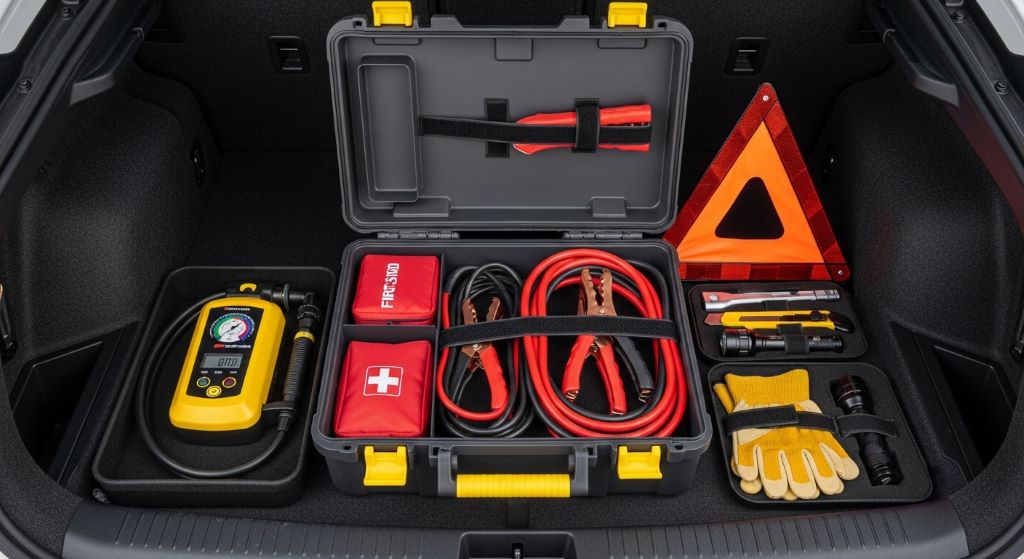
Building an effective emergency kit requires careful selection of items that address various scenarios. Start with the most critical components and expand based on your specific needs and driving conditions. The following items form the foundation of any comprehensive vehicle emergency kit.
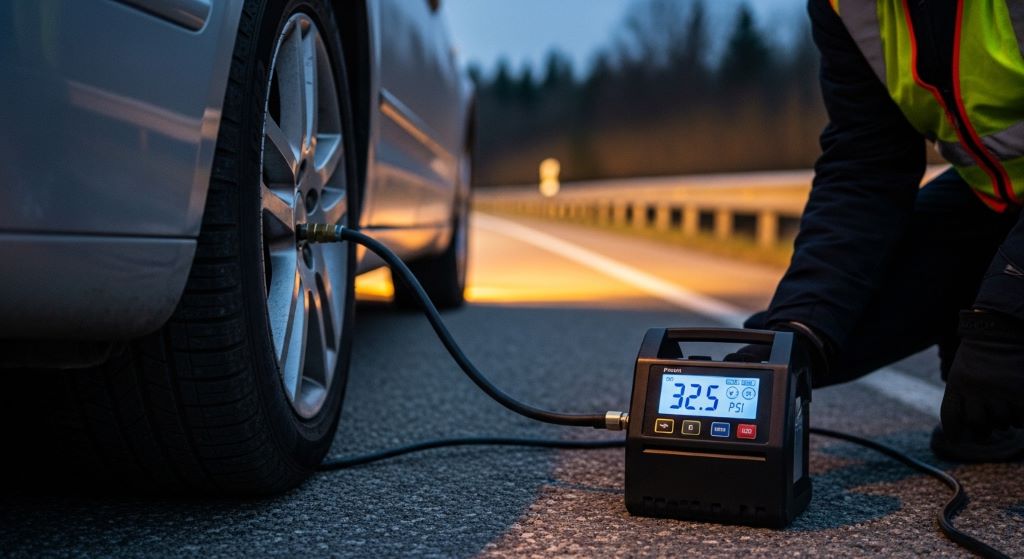
A portable tire inflator stands as one of the most valuable road safety tools you can carry. Modern inflators are compact, powerful, and easy to use. They plug into your vehicle’s power outlet and inflate tires within minutes. Additionally, many models include built-in pressure gauges for accurate inflation. This single tool can resolve the most common roadside problem quickly and safely.
Jumper cables or a portable jump starter provide solutions for dead batteries. Traditional jumper cables require another vehicle for assistance. However, portable jump starters offer independence by containing their own power source. These devices have become increasingly affordable and compact in recent years. Furthermore, many include USB ports for charging electronic devices during emergencies.
First aid supplies address medical emergencies that may occur during travel. A well-stocked first aid kit should include bandages, antiseptic wipes, pain relievers, and medical tape. Additionally, consider including any personal medications you take regularly. Check expiration dates periodically and replace items as needed.
Flashlights and extra batteries ensure visibility during nighttime emergencies. LED flashlights provide bright, long-lasting illumination while consuming minimal battery power. Moreover, consider including glow sticks or emergency flares for increased visibility to other drivers. These items help prevent secondary accidents when you are stopped on the roadside.
Basic tools enable simple repairs and adjustments. A multi-tool or basic toolkit should include screwdrivers, pliers, and an adjustable wrench. Additionally, duct tape and zip ties provide temporary solutions for various problems. These items take up minimal space but offer tremendous versatility during emergencies.
Selecting the Right Portable Tire Inflator
Choosing an appropriate tire inflator requires understanding different features and specifications. Not all inflators perform equally, and selecting the right one depends on your vehicle type and typical driving conditions. Consider the following factors when making your purchase decision.
Power source options include corded and cordless models. Corded inflators plug into your vehicle’s 12-volt power outlet, providing unlimited runtime. Cordless models use rechargeable batteries, offering portability but limited operating time. Additionally, some inflators offer both options for maximum flexibility. Evaluate your needs to determine which power source works best.
Maximum pressure capability determines what vehicles the inflator can service. Car tires typically require 30 to 35 PSI, while truck tires may need 50 to 80 PSI. Ensure your chosen inflator exceeds your vehicle’s maximum tire pressure requirements. Furthermore, higher-capacity models work faster, reducing waiting time during emergencies.
Inflation speed affects how quickly you can get back on the road. Measured in liters per minute or cubic feet per minute, this specification indicates performance. Faster inflators complete the job in two to five minutes. Slower models may take ten minutes or longer. However, faster models typically cost more and may be larger in size.
Accuracy of the pressure gauge ensures proper tire inflation. Digital gauges generally provide more precise readings than analog versions. Additionally, automatic shut-off features prevent over-inflation by stopping at your preset pressure. This convenience eliminates the need for constant monitoring during inflation.
Portability and storage considerations matter for practical use. Compact models fit easily in trunk storage compartments or under seats. Moreover, included carrying cases protect the inflator and keep accessories organized. Consider the available storage space in your vehicle when selecting a model.
Additional Safety and Survival Items
Beyond basic mechanical tools, your emergency kit should include items that support survival and comfort during extended roadside situations. These travel essentials become particularly important in extreme weather conditions or remote locations. Stock your kit with the following supplementary items.
Emergency blankets provide warmth in cold weather situations. These lightweight, reflective blankets fold into compact packages but offer significant insulation. Additionally, they reflect body heat to prevent hypothermia during winter breakdowns. Consider including one blanket per potential passenger in your vehicle.
Water and non-perishable food sustain you during prolonged emergencies. Store at least one gallon of water per person in your vehicle. Furthermore, include energy bars, dried fruit, or other shelf-stable snacks. Rotate these items every six months to ensure freshness.
Communication devices keep you connected when cell service is unavailable. A portable phone charger ensures your mobile device remains operational. Additionally, consider including a basic radio for weather updates and emergency broadcasts. Some hand-crank models eliminate battery dependency entirely.
Visibility items help other drivers see your disabled vehicle. Reflective triangles or cones should be placed behind your car to warn approaching traffic. Moreover, a reflective vest makes you visible when working outside your vehicle at night. These simple items significantly reduce accident risks during roadside stops.
Personal hygiene and comfort items improve extended wait times. Include tissues, hand sanitizer, and wet wipes for basic cleanliness. Additionally, consider including sunscreen and insect repellent for warm weather emergencies. A change of clothes and sturdy shoes can prove invaluable in certain situations.
Organizing Your Emergency Kit for Easy Access
Proper organization ensures you can find and use emergency items quickly when needed. A disorganized kit wastes precious time during stressful situations. Therefore, implement a logical storage system that makes sense for your vehicle and personal preferences.
Container selection impacts both organization and protection. Durable plastic bins with secure lids keep items clean and dry. Additionally, soft-sided bags offer flexibility for irregular storage spaces. Choose containers that fit your available trunk or cargo area without taking up excessive room.
Categorization helps you locate specific items rapidly. Group similar items together, such as all first aid supplies in one section. Moreover, keep frequently needed items like the tire inflator easily accessible. Reserve less commonly used items for deeper storage areas.
Labeling eliminates guesswork during emergencies. Clearly mark containers or compartments with their contents. Furthermore, create a simple inventory list to track what your kit contains. This helps during periodic reviews and ensures nothing is missing.
Strategic placement within your vehicle affects accessibility. Store heavy items low to maintain vehicle balance and prevent injury during sudden stops. Additionally, ensure nothing blocks access to spare tires or other factory emergency equipment. Consider seasonal items that may need more frequent access.
Regular maintenance keeps your kit functional and current. Check your emergency supplies quarterly to verify nothing has expired or degraded. Moreover, test electronic items like flashlights and tire inflators periodically. Replace batteries before they lose charge and update any outdated items.
Using Your Tire Inflator Safely and Effectively
Understanding proper tire inflator operation ensures effective use during emergencies. Many people purchase these devices but never familiarize themselves with their operation. Therefore, practice using your inflator before you actually need it in a stressful situation.
Pre-inflation inspection identifies the cause of pressure loss. Visually examine the tire for obvious damage like nails or cuts. Additionally, check the valve stem for leaks by applying soapy water and watching for bubbles. Understanding the problem helps determine whether inflation alone will solve it or if professional repair is needed.
Proper connection prevents air leaks and ensures efficient inflation. Firmly attach the inflator nozzle to the tire valve, ensuring a tight seal. Moreover, double-check that the connection is secure before starting the device. Loose connections waste time and battery power while failing to inflate the tire properly.
Pressure monitoring during inflation prevents over-inflation damage. Set the automatic shut-off feature if available, or monitor the gauge continuously if not. Furthermore, never exceed the maximum pressure listed on your tire’s sidewall. Over-inflated tires can burst and cause serious accidents.
Post-inflation checks verify proper repair and safety. After inflating, listen for air leaks around the valve and tire surface. Additionally, drive slowly to the nearest service station for professional inspection. Temporary inflation may not address underlying damage that could cause sudden failure.
Safety precautions protect you during roadside tire service. Always move your vehicle completely off the road when possible. Moreover, engage your parking brake and turn on hazard lights before exiting. Never work on tires while positioned in traffic lanes.
Customizing Your Kit for Specific Needs
Different drivers face unique challenges based on their circumstances. A basic emergency kit serves most situations well, but customization improves preparedness for specific scenarios. Consider the following factors when tailoring your kit to personal requirements.
Climate-specific items address regional weather challenges. Drivers in cold climates should include ice scrapers, snow brushes, and tire chains. Conversely, those in hot regions benefit from extra water and sun protection. Additionally, consider the seasonal changes in your area and adjust kit contents accordingly.
Vehicle type influences required equipment and specifications. Larger vehicles like trucks and SUVs need more powerful tire inflators with higher pressure capabilities. Moreover, they may require larger emergency blankets and more substantial tools. Ensure all equipment matches your vehicle’s specific requirements.
Family considerations add important dimensions to kit planning. Families with young children should include diapers, formula, and entertainment items. Additionally, consider any special medical needs of passengers who regularly travel with you. Pet owners should include supplies for animal passengers as well.
Commute length and frequency affect kit comprehensiveness. Daily long-distance commuters face higher breakdown risks and should maintain more extensive kits. Conversely, occasional short-distance drivers might prioritize compact kits with essential items only. Balance thoroughness with available storage space and realistic needs.
Special circumstances require unique additions. Drivers with medical conditions should include relevant medications and medical information cards. Additionally, those who frequently drive in remote areas might include more substantial survival gear. Assess your personal situation honestly to determine appropriate additions.
Financial Planning for Emergency Kit Assembly
Building a comprehensive emergency kit requires financial investment. However, this investment need not happen all at once or break your budget. Strategic planning allows you to assemble a quality kit gradually while managing costs effectively.
Prioritization helps you acquire the most critical items first. Start with essentials like the tire inflator, jumper cables, and first aid kit. Then add supplementary items as budget allows. Additionally, this approach spreads costs over time while ensuring basic protection immediately.
Quality versus quantity decisions impact long-term value. Investing in one quality tire inflator serves you better than multiple cheap alternatives. However, some items like bottled water require periodic replacement regardless of quality. Therefore, distinguish between items where quality matters and where it does not.
Shopping strategies reduce overall kit costs. Watch for sales on emergency equipment, especially during seasonal transitions. Moreover, online retailers often offer better prices than physical stores. Compare options carefully before purchasing to ensure you receive good value.
Multi-purpose items maximize investment efficiency. A tool that serves multiple functions eliminates the need for several single-purpose items. Additionally, combination devices like jump starters with built-in compressors and USB ports provide excellent value. Seek opportunities to reduce item count while maintaining functionality.
Maintenance costs factor into long-term planning. Budget for periodic replacement of consumables like batteries and first aid supplies. Furthermore, some electronic items may eventually require replacement or upgrading. Factor these ongoing costs into your emergency preparedness budget.
Teaching Family Members About Emergency Preparedness
Knowledge multiplies the effectiveness of any emergency kit. Ensuring all licensed drivers in your household understand the kit’s contents and use improves overall safety. Therefore, make emergency preparedness education a family priority.
Familiarization sessions introduce everyone to available resources. Show family members where the emergency kit is stored and what it contains. Additionally, explain the purpose of each major component. This knowledge eliminates confusion during actual emergencies when stress levels are high.
Hands-on practice builds confidence and competence. Demonstrate how to use the tire inflator, jumper cables, and other technical equipment. Moreover, allow family members to practice these skills under your supervision. Practical experience proves far more valuable than theoretical knowledge alone.
Emergency procedures provide clear action plans. Discuss what to do when experiencing different types of vehicle problems. Furthermore, establish communication protocols for staying in touch during emergencies. Clear procedures reduce panic and improve decision-making under pressure.
Regular reviews keep knowledge fresh and current. Schedule annual refresher sessions to review emergency procedures and equipment use. Additionally, use these opportunities to update kit contents and discuss any new items added. Consistent reinforcement ensures preparedness remains a priority.
Age-appropriate involvement includes even young family members. Children can learn basic safety concepts like staying in the vehicle and calling for help. Moreover, teenagers old enough to drive should receive comprehensive training on all emergency equipment. Tailoring education to each person’s capabilities ensures everyone contributes to family safety.
Conclusion
Building a comprehensive car emergency kit centered around a portable tire inflator significantly improves your roadside safety and self-sufficiency. This investment in preparedness provides peace of mind during every journey while potentially saving hundreds of dollars in towing and service fees. The combination of mechanical tools, survival supplies, and proper organization creates a system that addresses virtually any roadside emergency.
A well-chosen tire inflator serves as the cornerstone of your emergency kit, resolving the most common vehicle problem quickly and independently. Supporting this with jumper cables, first aid supplies, visibility items, and basic tools creates a comprehensive safety net. Additionally, customizing your kit for specific needs ensures optimal preparedness for your unique driving circumstances.
Regular maintenance and family education multiply the effectiveness of your emergency equipment. Quarterly inspections keep supplies fresh and functional while training sessions ensure everyone knows how to use available resources. Furthermore, strategic financial planning allows you to build a quality kit without overwhelming your budget.
The time and money invested in emergency preparedness pale in comparison to the benefits received. From minor inconveniences to potentially life-threatening situations, a proper emergency kit provides solutions when you need them most. Take action today to assemble or improve your vehicle emergency kit and drive with greater confidence tomorrow.
Frequently Asked Questions
How often should I check and update my car emergency kit?
Inspect your emergency kit every three months to ensure all items remain functional and current. Check expiration dates on food, water, and medical supplies, replacing items as needed. Additionally, test electronic devices like tire inflators and flashlights quarterly to verify they still work properly. Seasonal changes also warrant kit reviews, as winter and summer require different supplies for optimal safety.
Can a portable tire inflator fix all types of tire problems?
Portable tire inflators work well for slow leaks and minor pressure loss but cannot fix major damage like large punctures or sidewall tears. They provide temporary solutions that allow you to reach a service station safely. However, if your tire has visible damage or loses air immediately after inflation, professional repair or replacement is necessary. Always inspect tires carefully before attempting inflation.
What size tire inflator do I need for my vehicle?
Choose a tire inflator rated for at least 10 PSI above your vehicle’s maximum tire pressure, listed on the driver’s door jamb or tire sidewall. Passenger cars typically need inflators capable of 35 to 50 PSI, while trucks and SUVs may require 50 to 80 PSI. Additionally, consider inflation speed, with faster models completing the job in two to five minutes versus ten minutes or more for slower units.
Should I keep my emergency kit in the trunk or cabin?
Store emergency kits in the trunk or cargo area to maximize passenger space and safety. However, keep a small subset of critical items like a flashlight and first aid kit in the cabin for immediate access. This arrangement balances accessibility with space efficiency. Additionally, ensure trunk storage does not block access to spare tires or factory emergency equipment.
How much should I budget for a complete car emergency kit?
A basic but comprehensive emergency kit costs between 100 and 200 dollars when assembled from scratch. Quality tire inflators range from 30 to 100 dollars, while other essential items add another 70 to 100 dollars. However, you can reduce costs by assembling your kit gradually over several months and watching for sales. Premium kits with advanced features may cost 300 dollars or more but provide enhanced capabilities.
Related Topics:
Texas Car Accident Guidelines: What to Do and What the Law Requires
You Won’t Believe How Many Computers Are Inside Your New Car