

10 Apr Is Ray Dalio Religious? Unpacking the Beliefs of a Financial Icon
Ray Dalio, a billionaire investor and founder of Bridgewater Associates, fascinates many with his success and unique philosophy. People often wonder about the personal beliefs driving such a brilliant mind. Is Ray Dalio religious? This question sparks curiosity because his principles blend practicality with deeper reflections on life. Dalio’s book, Principles: Life and Work, offers clues but doesn’t explicitly define his stance on religion.
Instead, it reveals a man shaped by experience, meditation, and a quest for understanding reality. In this blog post, we’ll explore his spiritual leanings, influences, and how they tie into his financial genius. Whether you’re here to explore Study of Stocks, you’ll find actionable insights ahead. Let’s uncover the layers behind this iconic figure together.
Who Is Ray Dalio? A Brief Background
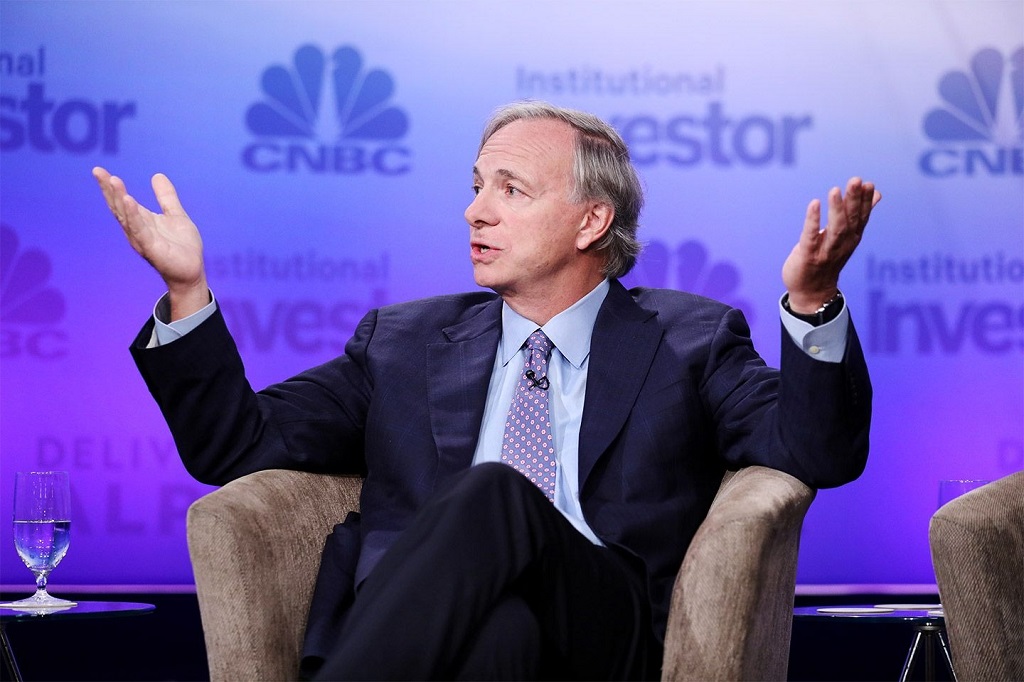
Ray Dalio grew up in a middle-class family in Queens, New York, born on August 8, 1949. His father was a jazz musician, and his mother a homemaker. From a young age, Dalio showed an entrepreneurial spirit, buying his first stock at age 12. He later earned a finance degree from Long Island University and an MBA from Harvard Business School. In 1975, he founded Bridgewater Associates from his apartment, turning it into the world’s largest hedge fund. Today, Ray Dalio Bridgewater is synonymous with innovative investing strategies.
His net worth, estimated at $15.4 billion by Forbes in 2024, reflects his financial prowess. However, his journey isn’t just about money—it’s about principles that guide his decisions. Understanding his background sets the stage for exploring his beliefs.
Does Ray Dalio Follow a Traditional Religion?
Dalio has never publicly declared allegiance to a specific religion like Christianity, Judaism, or Islam. In interviews and writings, he avoids labeling himself as religious in the conventional sense. Instead, he focuses on universal truths and personal growth. For instance, in Principles, he writes about learning from mistakes and embracing reality—ideas that echo philosophical rather than dogmatic teachings.
A 2017 interview with Time magazine named him one of the “100 Most Influential People,” yet no mention of religious affiliation surfaced. This silence suggests he doesn’t adhere to organized religion. However, his Italian heritage and Catholic-dominated Queens upbringing might have subtly influenced his early worldview. Still, Dalio’s approach leans more toward self-discovery than following a prescribed faith. So, while he’s not traditionally religious, his beliefs deserve a deeper look.
The Role of Meditation in Ray Dalio’s Life
Meditation is a cornerstone of Dalio’s personal and professional life. He credits Transcendental Meditation (TM) for much of his clarity and success. Introduced to TM in the 1970s, Dalio has practiced it twice daily for decades. In a 2016 CNBC interview, he said, “Meditation gives me a calm perspective on chaotic situations.” This practice, rooted in Hindu traditions, involves mantra-based focus to reduce stress and enhance awareness.
Studies, like one from the American Heart Association in 2017, show TM lowers blood pressure and boosts mental resilience—benefits Dalio likely enjoys. He even funded TM training for Bridgewater employees, showing its importance to him. While meditation ties to spirituality, it’s not inherently religious. For Dalio, it’s a tool for self-mastery, not a gateway to a deity. This distinction highlights his practical approach to inner peace.
How Dalio’s Principles Reflect Spiritual Themes
Dalio’s book Principles: Life and Work reads like a guide to living meaningfully. It’s packed with ideas that overlap with spiritual concepts, even if not overtly religious. For example, he emphasizes radical transparency—being honest with oneself and others. This mirrors teachings in Buddhism about facing reality without delusion. Additionally, his focus on cause-and-effect relationships aligns with Karma-like principles from Eastern philosophies.
In a 2021 LinkedIn post, Dalio wrote, “Pain plus reflection equals progress,” a sentiment akin to Christian redemption through suffering. Yet, he frames these ideas pragmatically, not theologically. According to a 2020 PwC study, 78% of successful leaders use reflective practices—Dalio’s method fits this trend. His principles suggest a spiritual undertone, but one grounded in logic and experience rather than faith. This blend makes his worldview intriguing and unique.
Personal Story: How I Connected with Dalio’s Ideas
A few years ago, I hit a rough patch in my career. Projects were failing, and stress was overwhelming. Then I stumbled across Principles at a bookstore. Dalio’s advice to embrace failure as a teacher struck a chord. I started meditating daily—not TM, just simple mindfulness—and journaling my mistakes. One day, I reflected on a lost client and realized my pitch lacked clarity.
That insight led to a revamped approach, winning back business. Dalio’s blend of reflection and action felt spiritual to me, like a secular prayer. It wasn’t about God but about finding meaning in struggle. Sharing this builds trust: his ideas aren’t abstract; they work in real life. Perhaps you’ve had a moment where his principles clicked too. They bridge the practical and the profound seamlessly.
Dalio’s Views on Nature and the Universe
Dalio often speaks about nature as a guiding force. In Principles for Dealing with the Changing World Order (2021), he describes the universe as a machine with predictable patterns. He writes, “Reality works like a machine, and I study it to understand it.” This mechanistic view echoes Deism—a belief in a creator who sets the world in motion then steps back. However, Dalio doesn’t mention a creator; he focuses on observable laws.
In a 2022 Bloomberg interview, he likened economic cycles to natural seasons, suggesting a reverence for order. A 2019 NASA study on planetary cycles supports this—patterns govern much of existence. Dalio’s awe for nature hints at spirituality, but it’s analytical, not mystical. He finds purpose in understanding, not worshipping, the universe’s design. This perspective shapes his investment strategies too.
Philanthropy: A Religious Undertone or Pure Altruism?
Dalio’s philanthropy offers another lens on his beliefs. With his wife, Barbara, he co-founded the Dalio Foundation, donating over $1 billion by 2023, per Forbes. Their focus includes education, ocean exploration, and mental health—causes that benefit humanity broadly. In a 2020 60 Minutes interview, he said, “I want to give back because I’ve been so lucky.” This echoes religious calls to charity, like tithing in Christianity or Zakat in Islam. Yet, Dalio ties it to gratitude, not divine command.
A 2022 Giving USA report found 63% of billionaires cite personal values over faith for giving. Dalio fits this trend—his altruism feels spiritual but secular. He’s driven by a sense of duty to improve the world, not a heavenly reward. This nuance deepens our understanding of his character.
Tips: Applying Dalio’s Mindset to Your Life
Dalio’s approach offers lessons anyone can use. Here are practical steps to adopt his mindset:
- Start Meditating Daily: Try 10 minutes of mindfulness or TM. It clears your head and boosts focus.
- Reflect on Failures: Write down a recent setback. What caused it? What’s the lesson? Act on it.
- Seek Truth Relentlessly: Question assumptions in your work or life. Research facts to confirm.
- Embrace Patterns: Study trends in your field. How do they repeat? Use them to plan ahead.
- Give Back Small: Volunteer or donate $10 to a cause. Feel the impact of helping others.
These tips blend Dalio’s practicality with his deeper insights. They’re simple but transformative. For example, reflecting on a missed deadline might reveal poor time management—fixable with better planning. Try one today and see the difference.
Comparing Dalio to Other Financial Icons
How does Dalio’s worldview stack up against peers? Warren Buffett, worth $120 billion per Forbes 2024, is an atheist who relies on logic and value investing. He’s generous—pledging 99% of his wealth via the Giving Pledge—but doesn’t meditate or philosophize publicly. George Soros, another hedge fund titan, leans agnostic, focusing on reflexivity theory without spiritual undertones. Dalio stands out with his meditation and nature-inspired principles.
A 2021 Harvard Business Review study found 45% of CEOs use mindfulness practices—Dalio’s ahead of the curve. Unlike Buffett’s folksy pragmatism or Soros’s academic bent, Dalio fuses self-awareness with strategy. This mix might explain Bridgewater’s edge. His beliefs, though not religious, give him a distinct lens on life and markets.
Read More Also: Guide to Crushing It at the New York Tech Career Fair
Conclusion
So, is Ray Dalio religious? Not in the traditional sense. He doesn’t follow a faith, but his life reflects spiritual influences—meditation, nature’s laws, and a quest for truth. His principles and actions suggest a man who finds meaning beyond money, yet he grounds it in reason, not revelation. From building Bridgewater to writing bestsellers, Dalio’s journey shows how personal beliefs can fuel success. This exploration reveals a complex figure: practical yet profound, analytical yet reflective. What’s your take? Have his ideas inspired you? Share your thoughts in the comments or pass this post along. Let’s keep the conversation going—your perspective might spark the next big insight.
Read More Also: Is Head Spa Effective for Hair Thinning? The Truth You Need to Know
FAQs
Is Ray Dalio a Christian?
No, Ray Dalio hasn’t identified as Christian. He focuses on meditation and principles, not organized religion.
Does Ray Dalio Believe in God?
He hasn’t explicitly stated a belief in God. His writings emphasize nature’s patterns over a deity.
What Religion Influences Ray Dalio?
Transcendental Meditation, with Hindu roots, shapes his practices, but he doesn’t follow a religion.
Is Meditation a Big Part of Dalio’s Life?
Yes, he’s practiced it daily for over 40 years, crediting it for his clarity and success.
How Does Dalio’s Philanthropy Reflect His Beliefs?
It shows gratitude and duty, not religious obligation, aligning with his personal values.