

10 Apr Is Head Spa Effective for Hair Thinning? The Truth You Need to Know
Hair thinning affects over 50 million Americans, according to the American Academy of Dermatology. It’s no longer just a cosmetic concern—it’s a confidence crusher. As more people seek natural solutions, head spa treatments have exploded in popularity. But is head spa effective for hair thinning, or is it just another wellness trend? Let’s break down the truth from every angle.
What Exactly Is a Head Spa?
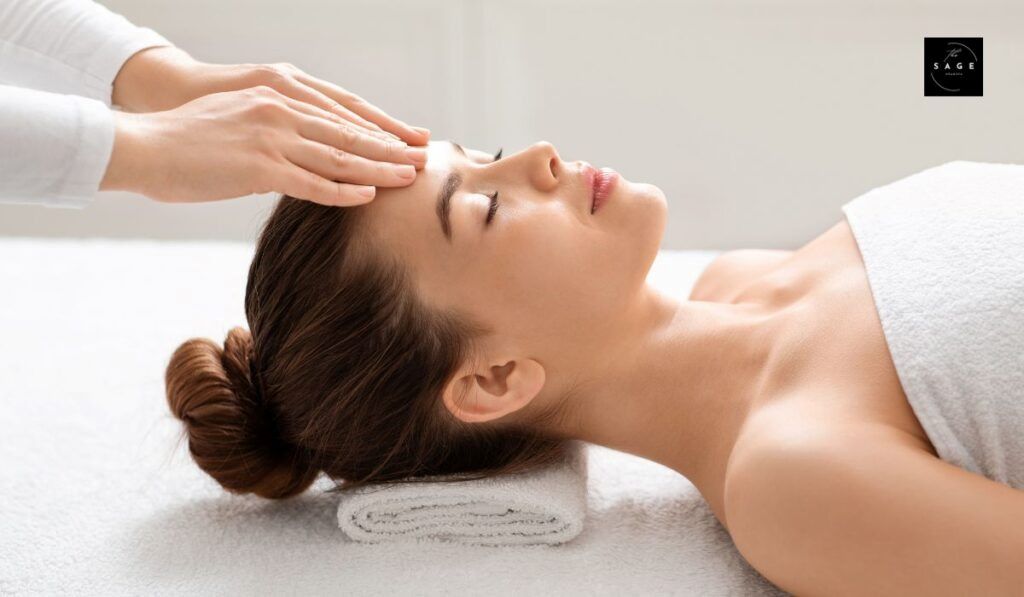
A head spa blends scalp massage, steam therapy, exfoliation, and aromatherapy. Originating in Japan, it targets scalp health, circulation, and relaxation. The idea is simple: a healthy scalp equals healthy hair growth.
These treatments cleanse follicles, remove dead skin, reduce buildup, and improve blood flow. This combination, in theory, helps reduce hair loss and promote hair growth. But let’s look at the real evidence.
The Science Behind Head Spa Treatments
Improved Blood Circulation = More Nutrients to Hair Follicles
One of the biggest claims behind head spas is that they boost circulation. And it’s true—a 2016 study published in ePlasty found that scalp massage increases dermal thickness and blood flow, both key factors for hair health.
When blood flow improves, hair follicles get more oxygen and nutrients. This directly impacts their ability to stay in the growth phase (anagen). Poor circulation often leads to miniaturized follicles, which is a leading cause of hair thinning.
Scalp Cleansing Removes DHT and Buildup
Head spas typically involve deep scalp cleansing with exfoliating scrubs and detox shampoos. These remove sebum, dirt, and product residue that can clog follicles.
But more importantly, they may help flush away DHT (dihydrotestosterone) buildup—a hormone strongly linked to androgenic alopecia, the most common form of hair thinning. According to the Journal of Investigative Dermatology, DHT shrinks hair follicles and shortens the hair growth cycle.
While a head spa won’t block DHT production entirely, it helps reduce its concentration at the scalp level, creating a more favorable environment for hair.
Expert Opinions: Dermatologists vs Trichologists
Dr. Francesca Fusco, a New York-based dermatologist, says:
“Scalp massage and exfoliation can support hair health, but they won’t regrow hair alone. They’re great as part of a full routine.”
Philip Kingsley Trichology Clinic supports scalp therapy as part of hair loss treatment. Their experts state that clean, well-circulated scalps retain more follicles and support stronger hair.
Yet, they warn against overpromising. Head spas are not magic pills. They’re supportive treatments, not primary solutions.
Real Reviews: What People Are Saying
Thousands have turned to head spas for relief from thinning hair. Reviews across platforms like Yelp, Google, and Reddit show mixed—yet generally positive—experiences.
Positive Reviews:
-
“After three sessions, my scalp felt lighter, and hair fall reduced by half.” – Samantha T., LA
-
“I didn’t see regrowth, but my hair looked fuller and healthier instantly.” – Raj D., Chicago
Neutral/Negative Reviews:
-
“Felt amazing, but I saw no visible results after two months.” – Karen V., NYC
-
“Too expensive for something that’s not medically proven.” – Tom R., Miami
The takeaway? Expectations matter. Head spas support scalp wellness, but won’t regrow hair if the root cause is hormonal or genetic.
Context Matters: What’s Causing Your Hair Thinning?
Before rushing into a spa chair, it’s crucial to identify the reason behind your hair thinning.
-
Hormonal imbalances like PCOS or thyroid disorders need medical intervention.
-
Nutrient deficiencies, particularly iron, zinc, and vitamin D, often respond to diet or supplements.
-
Stress and tension can cause telogen effluvium—temporary hair loss treatable with relaxation and lifestyle changes.
-
Androgenetic alopecia, the most common cause, often needs DHT blockers like minoxidil or finasteride.
In cases where stress, scalp buildup, or circulation issues play a role, head spas can be extremely helpful.
Professional Tips for Using Head Spa in Hair Care Routine
-
Go weekly or bi-weekly for best results. One session won’t undo months of damage.
-
Combine with medical treatments like minoxidil or low-level laser therapy for enhanced impact.
-
DIY between appointments: Use scalp massagers and exfoliating shampoos at home.
-
Watch ingredients: Avoid harsh sulfates or heavy oils that may clog follicles.
-
Focus on consistency, not quick fixes.
Featured Snippet: Do Head Spas Really Help With Hair Thinning?
Yes, head spa treatments can help with hair thinning when used consistently and in the right context. They improve scalp circulation, reduce buildup, and create an ideal environment for hair growth. However, they won’t reverse genetic or hormonal hair loss alone. When combined with medical treatments, healthy diet, and low-stress living, they can significantly support hair health. Experts recommend head spas as complementary therapies, not cures.
Existing Examples of Head Spa Success
Several salons report positive client outcomes.
-
Sugi Head Spa in NYC tracks client progress with scalp cameras. After 8 sessions, clients show reduced inflammation and improved follicle visibility.
-
Yuko Head Spa in Tokyo claims over 70% customer satisfaction in reducing hair fall and improving hair texture.
-
YouTube trichology influencers like @HolisticHabits share before-and-after footage showing thicker, shinier hair with regular treatments.
Real Solutions for Hair Thinning: What Actually Works?
While head spas support healthy hair, long-term hair loss solutions require a multi-pronged approach.
-
Topicals: Minoxidil remains FDA-approved for hair regrowth.
-
Orals: Finasteride helps block DHT, especially in men.
-
Supplements: Biotin, marine collagen, iron, and zinc support healthy hair cycles.
-
Lifestyle: Sleep, stress management, and scalp care matter more than you think.
-
Microneedling and PRP: These clinical treatments stimulate dormant follicles.
Think of a head spa as a luxury booster, not the whole engine.
FAQs About Head Spa and Hair Thinning
1. Is head spa safe for all hair types?
Yes. It’s suitable for curly, straight, oily, or dry scalps, as long as products used are gentle.
2. How often should I get a head spa?
Experts suggest once a week for 2–3 months, then maintenance every 2–4 weeks.
3. Can I do a head spa at home?
Yes. Use a scalp brush, essential oils, and exfoliating shampoo for a DIY version.
4. Will a head spa regrow my hair?
No. It supports growth but won’t reverse advanced hair loss.
5. Does it hurt?
Not at all. Most people find it relaxing, even euphoric.
6. Can it stop hair fall immediately?
You may notice reduced shedding within weeks, but results vary.
7. Is it worth the cost?
If you can afford it and pair it with other treatments, yes—it’s beneficial for scalp health.
Final Thoughts: Should You Try a Head Spa for Hair Thinning?
If you’re battling hair thinning, especially from stress, poor scalp health, or early-stage issues, head spas are worth considering. They promote a cleaner, more oxygenated scalp—essential for vibrant hair.
But if you expect miracles or ignore deeper medical causes, you’ll likely be disappointed. Use head spa therapy as a smart complementary tool, not a replacement for science-backed treatments.
Add it to your self-care routine. Your hair—and your nervous system—might just thank you.
Read More: How to Drape a Cowl Neck for Different Body Types