
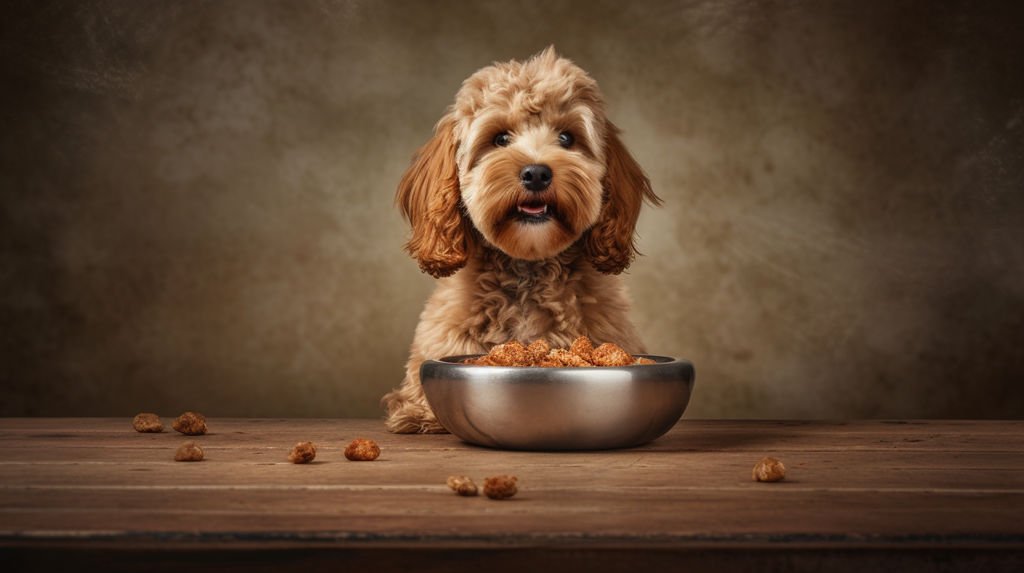
17 Nov How Puppies Adapt to New Foods: A Simple Guide for Puppy Owners
Introducing new foods to a puppy can feel like a big deal, especially if you’re trying to find what’s best for their health and happiness. Just like us, puppies can be picky eaters, but they also have sensitive stomachs and unique nutritional needs. Gradually helping puppies adapt to new foods can help prevent tummy troubles and make sure they get the nutrients they need. Explore Dogguides for more tips on finding suitable food for your puppy’s needs. This guide will help you understand how to transition your puppy to new foods safely and spot the signs of a healthy change.
Why Do Puppies Need to Adapt Slowly to New Foods?
One of the main reasons puppies need time to adjust to new foods is their delicate digestive systems. Puppies are more sensitive than adult dogs, so switching foods too quickly can lead to upset stomachs, diarrhea, or vomiting. A slow introduction to new food allows their stomach to build tolerance to different ingredients, especially if the new food has a different protein source or fat content.
According to pet nutritionists, many puppies show signs of food sensitivity when introduced to something new too quickly. Puppies often need up to 5-7 days to fully adapt to a new food, with most veterinarians recommending a gradual approach where you mix a small amount of the new food with their current diet, increasing the amount each day.
Steps to Help Puppies Adapt to New Foods
- Introduce Gradually: Start with 75% of the old food and 25% of the new food on the first day. Slowly adjust this ratio over 5-7 days, increasing the new food each day until your puppy is entirely on the new diet. This gradual transition helps puppies adjust without digestive upset.
- Observe Their Reaction: Every puppy responds differently to new foods. Some may happily accept new ingredients, while others might show hesitation or even food refusal. Pay attention to their appetite, energy levels, and stool quality during the transition to make sure the new food suits them well.
- Choose High-Quality Ingredients: When selecting a new food, check the ingredients. Puppies need a balance of proteins, fats, carbohydrates, vitamins, and minerals to grow strong and healthy. High-quality puppy foods list whole protein sources like chicken or beef as the first ingredient, not by-products.
- Introduce Tasty, Puppy-Friendly Options: Some breeds are more adventurous with food, such as the French Brittany Spaniel, which often shows a willingness to try new tastes and textures. This curiosity can help with adapting to new foods but remember to still go slow.
Signs of a Successful Transition

Watching for signs that your puppy has adjusted to new food is essential. Positive signs include regular bowel movements, steady energy, and healthy skin and coat. On the other hand, if your puppy is experiencing gas, loose stools, or seems less interested in mealtime, the new food may not be the right fit. You might also need to extend the transition period if they show signs of digestive discomfort.
Related: Home Remedies: How to Stop Your Dog from Eating Poop
Common Mistakes When Introducing New Foods to Puppies
- Switching Too Quickly: Transitioning abruptly from one food to another can cause digestive distress.
- Ignoring Portion Control: Puppies may eat enthusiastically, but overfeeding can upset their stomach and lead to weight gain.
- Not Considering Allergies: If a puppy’s new food includes ingredients they haven’t eaten before, watch for signs of allergic reactions, like itching or digestive issues.
Final Thoughts
Helping puppies adapt to new foods can be a smooth process with a bit of patience and observation. Remember, every puppy has its unique needs, and taking a slow, gradual approach can make all the difference in their comfort and health. By offering a balanced, high-quality diet, you’re setting up your puppy for a happy, healthy life.