
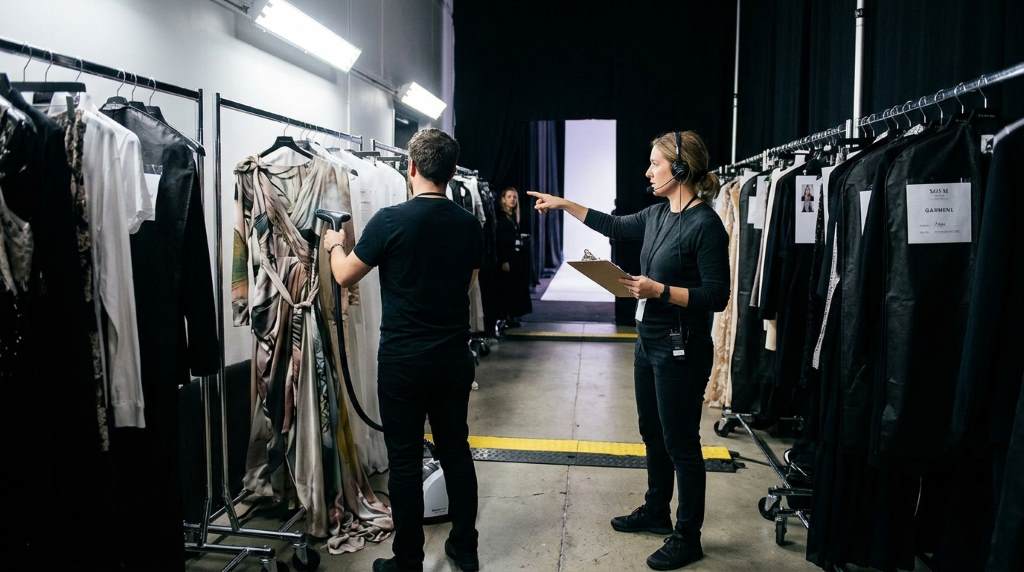
27 Jul How Chicago, IL Builds Smooth Fashion Event Operations
Fashion events demand careful planning, skilled coordination, and reliable teamwork from every participant. Industry reports estimate that event professionals spend over 40 percent of planning time coordinating logistics and communication. Successful organizers also improve guest satisfaction through structured preparation and flexible scheduling. Many planners study designer award event workflow to understand proven coordination methods before building local fashion experiences.
Build Strong Planning Before Event Day
Every successful fashion event begins with clear goals, realistic timelines, and defined responsibilities for every department. Early preparation reduces confusion while improving communication between designers, venue managers, and production teams.
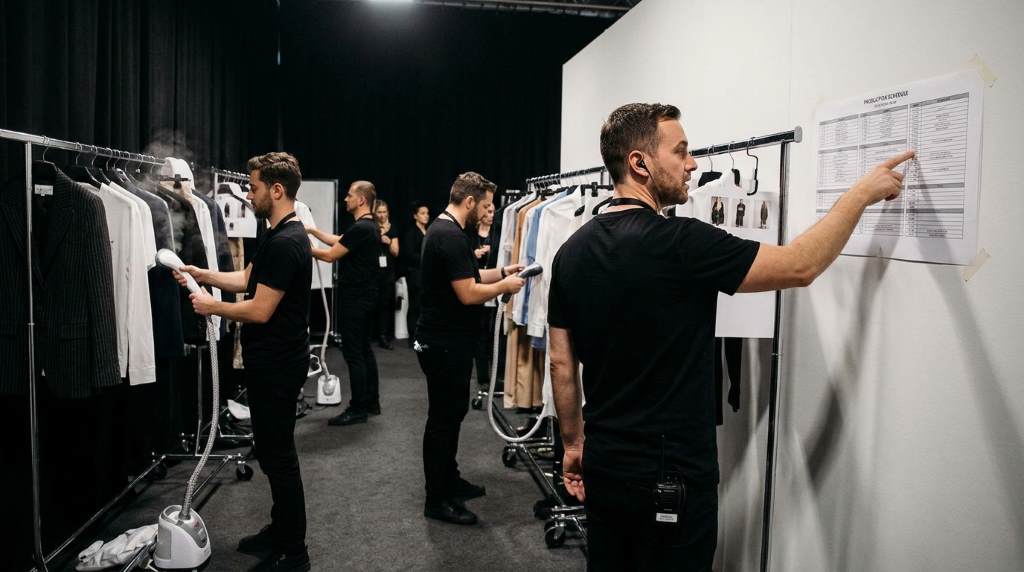
Organizers should create detailed production schedules covering rehearsals, equipment delivery, guest arrival, and runway presentations. Likewise, reviewing style inspiration through best perfumes for dad helps planners understand current lifestyle presentation trends for themed showcases.
Planning documents should remain accessible to every team member throughout preparation. Consistent updates prevent scheduling conflicts and reduce costly last minute adjustments.
Create A Clear Event Timeline
A detailed timeline keeps every department aligned from venue setup until final breakdown. Each milestone should include responsible team members and completion deadlines.
- Confirm venue access times.
- Schedule vendor deliveries.
- Assign rehearsal sessions.
- Prepare emergency response plans.
- Review final production checklist.
Coordinate Designers, Vendors, And Production Teams
Fashion events succeed when creative professionals communicate effectively throughout every production stage. Strong collaboration prevents misunderstandings while improving overall event quality.
Production managers should hold regular planning meetings before every major milestone. Meanwhile, reading shorten a dress guides offers useful wardrobe preparation ideas before final fittings.
Every supplier should receive updated schedules whenever important changes occur during preparation. Quick communication helps photographers, lighting crews, stylists, and security teams remain synchronized.
Define Team Responsibilities
Every person should understand specific duties before arriving at the venue. Clear responsibilities reduce duplicate work and improve decision making during busy production periods.
- Backstage management.
- Guest registration.
- Media coordination.
- Model scheduling.
- Vendor communication.
- Technical support.
Keep Guest Experiences Smooth And Professional
Guest satisfaction influences event reputation, future attendance, and valuable business relationships. Comfortable visitors often become loyal supporters and enthusiastic promoters.
Registration should remain simple while staff members provide helpful guidance from arrival until departure. Additionally, understanding fashion awards influence consumer trends helps organizers design engaging audience experiences that reflect market expectations.
Comfortable seating, clear signage, and organized waiting areas reduce frustration during busy arrival periods. Small improvements often create lasting positive impressions among attendees.
Improve Audience Flow
Efficient movement keeps guests comfortable throughout every stage of the event experience. Well positioned staff members quickly answer questions while directing visitors confidently.
- Provide clear entrance signs.
- Separate media access areas.
- Offer digital event schedules.
- Guide seating efficiently.
- Maintain accessible exits.
Use Technology To Improve Event Operations
Modern event software improves scheduling, communication, ticket management, and attendee tracking across multiple departments. Digital tools also reduce paperwork and manual errors.
Organizers should centralize production documents within secure cloud platforms for easier collaboration. Mobile communication applications also speed decision making during live event operations.
Digital checklists allow managers to monitor completed tasks without interrupting production activities. Real time updates improve accountability while reducing unnecessary delays.
Helpful Technology Tools
Technology supports faster communication while simplifying daily operational management before and during fashion events. Selecting reliable platforms improves consistency across every department.
- Digital scheduling software.
- Mobile communication apps.
- Cloud document storage.
- Online registration systems.
- Inventory tracking tools.
Prepare For Unexpected Challenges
Even carefully planned fashion events may encounter unexpected issues requiring immediate action. Prepared teams recover faster while protecting guest satisfaction and brand reputation.
Backup equipment should remain available before production begins to avoid unnecessary interruptions. Likewise, alternate staffing plans help organizers respond confidently when unexpected absences occur.
Emergency communication procedures should remain simple and familiar for every department leader. Practice sessions improve response speed before actual production begins.
Essential Backup Plans
Prepared contingency plans reduce operational risks while supporting confident leadership throughout the event. Every department should understand emergency procedures completely.
- Backup lighting equipment.
- Alternative sound systems.
- Extra volunteer staff.
- Emergency medical contacts.
- Weather response procedures.
Measure Results After Every Fashion Event
Post event reviews identify strengths while highlighting opportunities for future improvement. Honest evaluation supports better planning for upcoming productions.
Organizers should collect attendee feedback through surveys and follow up communications after every event. Data driven decisions improve future operations while strengthening professional relationships.
Performance reports should compare attendance, engagement, operational efficiency, and overall satisfaction against original objectives. Consistent analysis creates measurable long term improvements.
Key Performance Indicators
Tracking meaningful performance metrics supports continuous improvement across every production cycle. Reliable measurements guide smarter operational decisions.
- Guest satisfaction scores.
- Attendance numbers.
- Registration completion rates.
- Production timeline accuracy.
- Vendor performance reviews.
- Media engagement levels.
Final Thoughts
Smooth fashion event operations depend on planning, communication, technology, teamwork, and continuous improvement throughout every production stage. Organized preparation creates memorable experiences while supporting stronger professional relationships. Apply these strategies consistently to build reliable fashion events that impress guests, partners, and industry professionals every time.
Frequently Asked Questions
What makes fashion event operations successful?
Clear planning, strong teamwork, and effective communication create successful fashion event operations.
Why is a production timeline important?
A production timeline keeps every team member coordinated and reduces scheduling mistakes.
How does technology improve fashion events?
Technology simplifies scheduling, communication, registration, and real time task management.
Why should organizers collect guest feedback?
Guest feedback identifies improvement opportunities and supports better future event planning.
How can organizers reduce operational risks?
Backup plans, trained staff, and emergency procedures reduce operational risks significantly.