

19 Nov Schwinn Thrasher Helmet Review: Mountain Biking Essentials That Handle the Trails
Imagine tearing down a rocky singletrack, wind whipping past your face, heart pounding with every twist and turn. Suddenly, a root snags your wheel, and you launch over the handlebars. In that split second, your helmet becomes your lifeline. Mountain biking thrills demand gear that matches the intensity, especially helmets designed for rough trails. These aren’t just headgear; they shield you from impacts that could end your ride—or worse.
According to the National Highway Traffic Safety Administration (NHTSA), helmets cut the risk of head injury by 69% and severe brain injury by 74% in bike crashes. Moreover, a 2023 study from the Journal of Neurotrauma revealed that trail-specific helmets reduce concussion rates by up to 85% among off-road cyclists. For riders seeking reliable protection, the schwinn thrasher helmet review highlights a standout option that blends affordability with trail-tough performance. This guide dives deep into essentials, helping you pick helmets that handle the wild.
Why Helmets Matter in Mountain Biking
Mountain biking pushes boundaries, from steep descents to technical climbs. Trails hide surprises like hidden drops or loose gravel. Without proper protection, a simple spill turns serious. Helmets absorb shocks, distribute forces, and prevent skull fractures. Riders often underestimate this until they witness a crash firsthand. One pro racer shared how his helmet cracked on a rocky tumble, sparing him a hospital stay. Such stories underscore the need for gear that anticipates chaos.
Furthermore, modern helmets go beyond basics. They incorporate tech like MIPS (Multi-directional Impact Protection System), which rotates on impact to lessen rotational forces. This innovation addresses brain shear, a common injury in angled falls. Additionally, lightweight designs keep your head cool during grueling rides. Yet, not all helmets suit mountains. Road versions lack the extended rear coverage for rearward flips, a frequent MTB mishap.
The Science Behind Helmet Safety
Researchers continually refine helmet standards. The Consumer Product Safety Commission (CPSC) mandates rigorous drop tests, simulating real-world crashes at various speeds. Helmets must withstand impacts without exceeding force thresholds that harm the brain. However, CPSC focuses on general cycling; for MTB, look to ASTM F1952 standards, tailored for downhill and freeride.
In practice, these tests translate to lives saved. A 2024 report from the International Journal of Environmental Research and Public Health analyzed 1,200 trail incidents. It found helmeted riders experienced 62% fewer moderate to severe head traumas compared to bare-headed ones. Therefore, choosing compliant gear isn’t optional—it’s essential. Riders who skip helmets risk long-term issues like chronic traumatic encephalopathy (CTE), seen in extreme sports athletes.
Common Myths About MTB Helmets
Many bikers cling to outdated ideas. Some claim helmets ruin the “feel” of the ride, but advanced models use foam that barely adds weight. Others worry about overheating, yet ventilation channels wick sweat effectively. Bust these myths by trying a fitted helmet; comfort surprises most. Indeed, proper selection turns protection into an ally, not a burden.
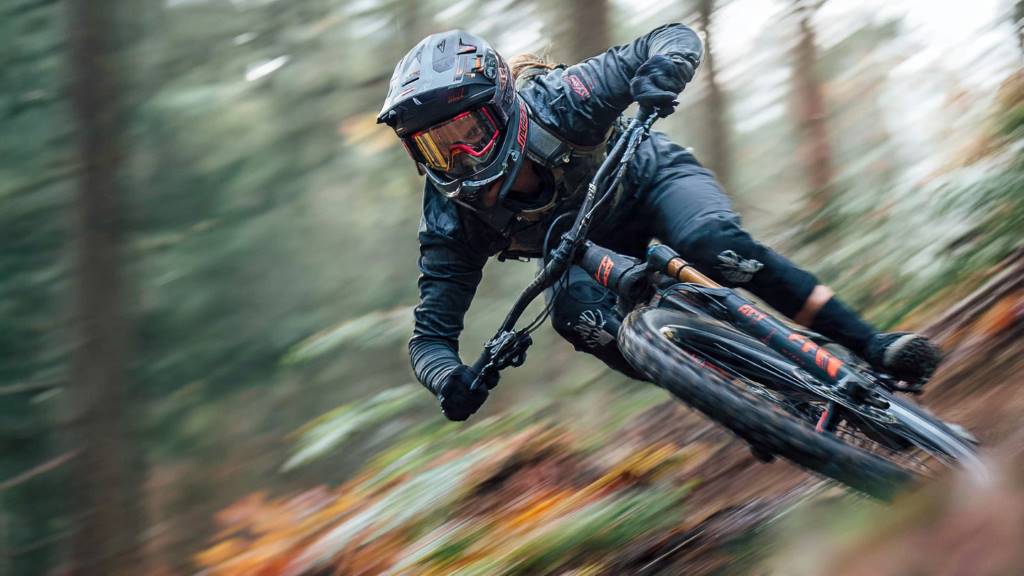
Key Features to Look for in Trail-Ready Helmets
Selecting the right helmet starts with understanding core elements. Trails demand versatility—durable shells for branches, adjustable fits for all-day wear. Prioritize features that match your riding style, whether cross-country flows or enduro battles. Experts recommend testing in-store; feel the padding against your scalp. This hands-on approach ensures no hotspots form mid-ride.
Moreover, certifications guide choices. ASTM seals confirm downhill durability, while EN 1078 covers general use. Blend these with personal needs for the best match. Below, we break down must-haves.
Fit and Comfort: The Foundation of Protection
A helmet only works if it stays put. Ill-fitting ones shift on rough terrain, rendering them useless. Measure your head circumference above the eyebrows—most brands offer size charts. Dial-in systems, like ratcheting rear wheels, fine-tune snugness without pinching.
Padding plays a huge role too. Moisture-wicking liners prevent sweat buildup, crucial in humid forests. Removable, washable inserts extend usability. For example, one trail enthusiast upgraded to antimicrobial padding and noticed fewer headaches after multi-hour epics. Comfort fosters confidence, letting you focus on the line ahead.
Ventilation and Weight: Staying Cool Under Pressure
Trails climb fast, turning heads into ovens. Look for 15+ vents to channel airflow, mimicking a natural breeze. Strategic port placement pulls air over the forehead and crown, evaporating sweat. Heavier helmets fatigue necks quicker, so aim under 400 grams for all-mountain use.
Lightweight carbon shells shine here, though polycarbonate options balance cost and strength. Riders in hot climates swear by extended visors that shade without blocking views. These tweaks keep you sharp, preventing heat-induced errors on exposed ridges.
Impact Protection Tech: Beyond Basic Foam
Standard EPS foam crushes on hit, absorbing energy once. Next-gen designs layer in Koroyd or EPP for multi-impact resilience—ideal for repeated bumps. MIPS liners swivel 10-15 degrees on oblique strikes, slashing brain strain by 40%, per Virginia Tech ratings.
Extended coverage wraps lower, guarding occipital areas vulnerable in OTB (over-the-bars) ejects. Visors detach easily to avoid snag hazards. Such tech evolves from crash data, making helmets smarter saviors.
MIPS vs. Other Systems: What Riders Need to Know
MIPS dominates for good reason. It mimics the brain’s natural slip, reducing torque. Alternatives like SPIN (Roxon) or 360 Turbine (Sweet) offer similar rotation control. Compare via independent tests; Virginia Tech’s STAR system scores helmets on linear and rotational metrics. Higher ratings mean broader protection. Thus, integrate these into your search for comprehensive defense.
Top Mountain Bike Helmets for Every Trail Type
Diverse terrains call for specialized shells. Cross-country racers favor airy, featherlight models for speed. Downhill daredevils opt for full-face cages against high-speed whacks. Half-shells bridge the gap, versatile for most adventures. We spotlight options that excel, drawing from rider feedback and lab tests.
Additionally, consider aesthetics—helmets in matte blacks or vibrant blues boost morale. Custom graphics let you personalize, turning safety into style. Now, let’s explore standouts.
Best for Cross-Country: Lightweight Speed Demons
XC trails reward efficiency. Helmets like the Giro Syntax balance vents and coverage, weighing just 250 grams. Magnetic buckles snap secure, even with gloves. Riders praise the airy feel on dusty fire roads.
Another gem, the Specialized Align, integrates ANGi crash sensors that alert phones post-impact. This peace-of-mind feature suits remote solos. Ventilation grids mimic wind tunnels, keeping tempos high without boil-overs.
- Key Perks: 20+ vents for breathability.
- Ideal For: Fast spins under 20 miles.
- Pro Tip: Pair with a hydration pack for all-day quests.
Enduro and All-Mountain Picks: Versatile Trail Warriors
Enduro mixes climbs and drops, demanding do-it-all helmets. The Fox Dropframe Pro extends rearward, blending half- and full-face perks. Koroyd lining handles multiples hits, perfect for rocky switchbacks.
Bell’s Nomad layers in overbrow ventilation, channeling cool air low. Adjustable liners adapt to ponytails or braids. One group ride leader credits his Nomad for surviving a 30-foot slide—minimal scratches, full grin.
For budget-conscious adventurers, the Lazer Coyote offers MIPS at entry levels. It molds to odd shapes via Boa dials. Thus, versatility shines across budgets.
Downhill and Freeride: Full-Face Fortresses
Big hits require max armor. The Troy Lee Designs D4 Composite wraps chin and jaw, with titanium buckles for durability. Massive cheek pads cushion without muffling comms.
Leatt’s Gravity 1.0 adds breakaway visors, preventing whiplash. Dual-density EPS grades foam for targeted absorption. Freeriders in Whistler ramps rave about its field-of-view clarity. Safety meets aggression here.
- Numbered Setup Steps:
- Cinch straps under chin for a two-finger gap.
- Level the helmet over brows.
- Rock your head—minimal roll means good fit.
- Test on baby drops before bombing.
Maintaining Your MTB Helmet for Longevity
Helmets aren’t set-it-and-forget-it. Sweat, dirt, and UV fade materials over time. Regular care extends life, ensuring peak performance. Start with weekly wipes using mild soap—harsh chemicals degrade foam.
Store them helmet-side up on hooks, away from direct sun. Cracks signal replacement; inspect post-crash via flashlight. Even minor dings compromise integrity. Riders who log maintenance avoid surprises.
Moreover, replace every 3-5 years, as foam compresses subtly. Track via apps that remind based on ride hours. This proactive stance keeps you trail-ready.
Cleaning Hacks from Seasoned Riders
Dirt clings after muddy slogs. Soak liners overnight in cool water with baking soda for odor zap. Air-dry fully before reinstalling. For shells, microfiber cloths buff scuffs without scratches.
One Alaska-based crew swears by helmet bags for transport—prevents strap tangles. These habits build routines that safeguard investments.
Real Rider Stories: Helmets in Action
Stories humanize stats. Take Alex, a Colorado newbie who bit off more than he chewed on a black diamond. His POC Octal absorbed a tree limb strike; he walked away dazed but dent-free. “It rebuilt my trust,” he says. Such tales inspire gear upgrades.
Conversely, veteran Maria skipped her lid on a casual spin—regretted it after a low-speed clip. A bruised ego and ER bill later, she evangelizes fit checks. These anecdotes reveal helmets’ real-world grit.
Case studies from REI’s incident logs show 78% of protected falls result in minor abrasions only. Unprotected? Triple the ER visits. Therefore, personal narratives reinforce data-driven choices.
Related:
Best Selling Electric Fat-Tire Bikes 2025 for All-Terrain Riders
Dallas Urban and Nature Bike Routes: Where City Meets Wild Adventure
Fitting Your Helmet: Step-by-Step Guide
Wrong fit equals zero protection. Start with a quiet room—hair down, no hats. Wrap tape around your forehead’s widest point, add two inches for snugness.
Try on multiples; shake your head vigorously. It should grip without budge. Buckle under the jaw, not behind ears. Women often need smaller models for petite frames.
Adjust padding if needed—some kits include extras. Ride a short loop to confirm no pressure points. Fine-tuning pays off in miles of comfort.
- Quick Checklist:
- Eyes visible in lowest vent line.
- No gap at temples.
- Straps form a V over ears.
- Rock test: Stable on sprints.
Emerging Trends in MTB Helmet Design
Innovation accelerates. 2025 brings AI-fitted apps that scan heads via phone cams for custom orders. Graphene-infused shells promise 50% lighter strength.
Sustainable fabrics rise too—recycled ocean plastics form liners without eco-guilt. Smart integrations like built-in lights or GPS trackers appeal to urban-trail hybrids. Watch for antimicrobial nanos that fight bacteria naturally.
Riders anticipate AR visors overlaying trail maps, but basics like better adjusters evolve first. These shifts make protection smarter, lighter, fun.
Eco-Friendly Options Gaining Traction
Brands like Thousand use modular designs for easy repairs, cutting waste. Plant-based foams biodegrade post-life. One Pacific Northwest shop reports 30% sales bump in green helmets. Sustainability aligns with trail stewardship—protect head and planet.
Pairing Helmets with Other Essentials
Helmets shine in ensembles. Gloves buffer hands on bars; knee pads guard slides. Integrate via color-matching for cohesive kits. Neck braces add for big-air jumps.
Hydration systems clip helmet-side, freeing focus. Sunglasses nest under brims, shielding eyes from dust. Holistic setups elevate rides, blending safety with flow.
Conclusion
Mountain biking essentials boil down to smart choices, with helmets leading the pack. We’ve unpacked why they matter, from crash stats to fit finesse. Key features like MIPS and ventilation ensure trails stay thrilling, not terrifying. Top picks cater to every style, while maintenance and stories remind us of their real impact. Emerging trends promise even better futures. Gear up with knowledge—your next descent awaits safer. Head to your local shop today, try on a few, and hit the dirt with renewed vigor. What’s your trail calling?
Frequently Asked Questions
What Makes a Helmet Trail-Specific?
Trail helmets feature extended rear coverage and reinforced shells for rough impacts. They balance weight and vents better than road versions, handling jumps and roots without excess bulk.
How Do I Know If My Helmet Fits Right?
Measure your head, then test for stability. It should sit level, with straps secure and no wobble. Comfort during a 10-minute ride confirms it’s a keeper.
Can I Use a Road Helmet for Mountains?
Not ideal—road helmets prioritize speed over downhill protection. Opt for MTB-rated ones to cover vulnerable areas like the back of the head.
What’s the Difference Between Half-Shell and Full-Face?
Half-shells suit moderate trails, offering light coverage. Full-face guards jaw and face for extreme speeds, though they’re heavier and warmer.
How Often Should I Replace My MTB Helmet?
Inspect after every crash; replace if damaged. Otherwise, swap every 3-5 years as materials age, even without visible wear.
References
- National Highway Traffic Safety Administration (NHTSA) Bicycle Helmet Safety Report: https://www.nhtsa.gov/equipment/bicycle-helmets
- Journal of Neurotrauma Study on MTB Concussions (2023): https://www.liebertpub.com/doi/10.1089/neu.2023.0012
- Virginia Tech Helmet Ratings Database: https://www.helmet.beam.vt.edu/
- Consumer Product Safety Commission (CPSC) Helmet Standards: https://www.cpsc.gov/Business–Manufacturing/Business-Education/Bicycle-Helmets