

01 Jan Introducing a New Kitten to a Multi-cat Household With Minimal Stress
Bringing a new kitten into a home with established cats can be an exciting yet challenging experience. Proper planning, understanding feline behavior, and creating a harmonious environment are crucial for minimizing stress. Cats are territorial creatures, and abrupt introductions may lead to tension, so following a thoughtful approach ensures a smoother transition. To help you navigate this, explore Homepetusa for expert insights into managing multi-cat households.
Understanding Feline Behavior in Multi-cat Households
Cats are naturally territorial and thrive on routine. Introducing a new kitten can disrupt their sense of control, potentially leading to stress or aggression. Studies by the ASPCA suggest that gradual introductions can significantly reduce conflict, with a success rate of over 80% when a step-by-step process is followed.
The key lies in understanding each cat’s personality. Some cats are more social and open to newcomers, while others may feel threatened. Observing their behavior during the initial phase will help you adapt your approach.
Creating a Safe Space for the New Kitten
Before introducing the new kitten, designate a separate room or area where it can acclimate. This space acts as a sanctuary where the kitten feels secure.
Equip it with essentials like:
- Litter box
- Food and water dishes
- Cozy bedding
- Toys
Allow the kitten to explore this area and build confidence while your existing cats remain unaware of its presence.
Using Scent Swapping to Build Familiarity
Cats heavily rely on scent to recognize and accept others. Scent swapping involves transferring the kitten’s scent to your resident cats and vice versa.
Here’s how:
- Use a soft cloth to gently rub the kitten’s face and cheeks to gather its scent.
- Present this cloth to your resident cats, and observe their reaction.
- Repeat the process with your existing cats’ scent, sharing it with the kitten.
This step bridges the initial unfamiliarity and creates a sense of connection.
The Visual Introduction Phase
Once the cats are accustomed to each other’s scents, arrange a controlled visual introduction. Use a barrier like a baby gate or a cracked door. Allow them to see and observe each other without direct contact.
Keep these sessions brief, gradually increasing their duration. During this phase, it’s important to remain calm and patient, rewarding both parties with treats for calm behavior.
Step-by-Step Integration Process
Gradually introducing direct interaction is essential. Follow these steps:
- Monitor body language: Signs of relaxed tails, slow blinks, or sniffing are positive indicators.
- Supervise interactions: Keep an eye on early meetings to prevent aggressive behavior.
- Use distractions: Toys or feather wands can shift focus during tense moments.
If conflicts arise, separate the cats and revisit earlier steps.
Managing Health and Safety
Ensuring all cats are in good health is vital during introductions. Schedule a vet check-up for your new kitten before bringing it home. Additionally, maintain hygiene by using separate feeding and litter areas initially.
Learn how to upload prescription to Chewy for convenient access to necessary medications or supplements.
Avoiding Common Mistakes in Multi-cat Introductions
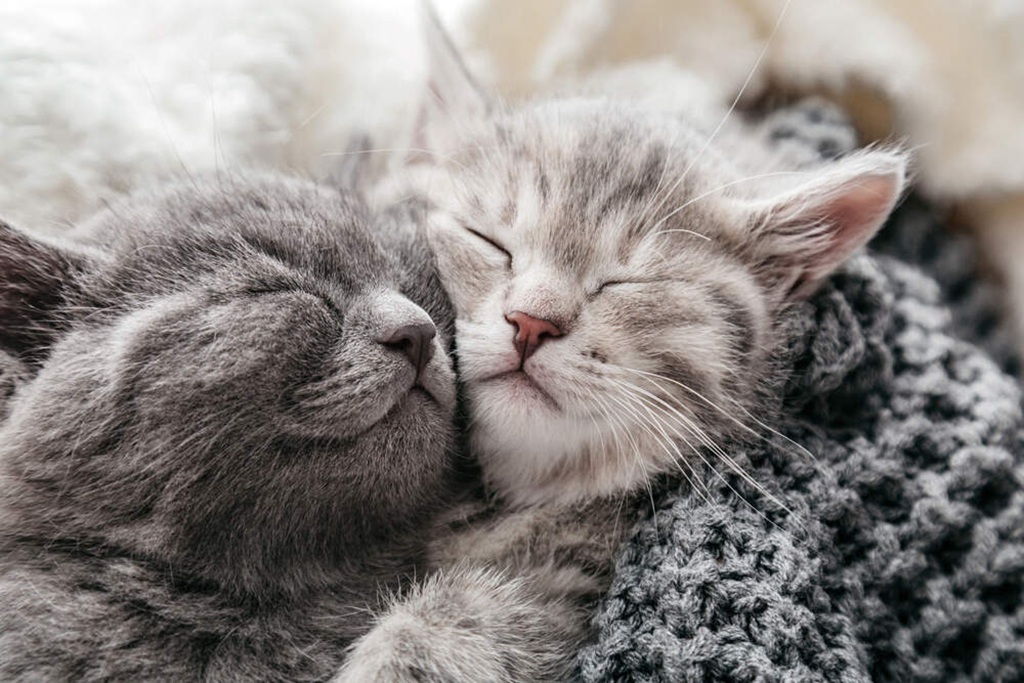
Introducing a new kitten without preparation can lead to long-term discord. Common mistakes include:
- Rushing the process: Cats need time to adjust.
- Neglecting territorial concerns: Allocate adequate space for all cats.
- Overlooking behavioral cues: Misinterpreting aggression can worsen the situation.
Building Positive Associations
Encourage your cats to associate each other’s presence with rewards. Feeding them on opposite sides of a door or engaging them in joint play sessions builds positive associations. Use interactive toys like laser pointers to foster unity.
How Long Does It Take for Cats to Adjust?
On average, cats take 4 to 8 weeks to acclimate to a new housemate, though this varies based on personality. Persistent stress or aggression may indicate the need for professional intervention.
Related: How Puppies Adapt to New Foods: A Simple Guide for Puppy Owners
When to Seek Professional Help
If your cats exhibit prolonged signs of aggression or anxiety, consulting a feline behaviorist can help. Specialists analyze underlying issues and provide tailored strategies for harmonious living.
FAQs
How can I reduce territorial disputes between cats?
Gradual introductions, scent swapping, and providing ample resources like litter boxes can significantly minimize disputes.
Is it normal for cats to hiss at a new kitten?
Yes, hissing is a natural response to unfamiliarity. Monitor their interactions and proceed with caution.
Can I introduce a kitten to a senior cat?
Yes, but senior cats may require extra time and care due to their slower adaptability.
What should I do if my cat refuses to accept the new kitten?
Revisit earlier steps, ensuring gradual exposure. If issues persist, consult a behaviorist.
How many resources should I provide in a multi-cat household?
The “1+1 rule” works well: one litter box, one food bowl, and one water dish per cat, plus an extra.
Related: Home Remedies: How to Stop Your Dog from Eating Poop
What’s the best time to introduce direct interaction?
When both cats exhibit relaxed behavior during scent swapping and visual introductions.
Conclusion
Introducing a new kitten to a multi-cat household requires patience, preparation, and understanding of feline behavior. By following a structured approach and remaining attentive to individual personalities, you can foster a harmonious environment. Remember, the journey may take time, but the reward of a peaceful multi-cat household is worth every effort.