
25 Jun How to Choose Between a Standing Desk and a Sitting Desk in 2026
The way we work has evolved, and so have our workspaces. In 2026, the debate between a standing desk vs sitting desk continues to shape how we design our offices. Each option offers unique benefits, but the best choice depends on your health, productivity, and personal preferences.
Research shows that 60% of office workers experience discomfort from prolonged sitting. This issue has led to the growing popularity of ergonomic solutions like adjustable desks. A well-chosen standing desk vs sitting desk setup can transform your workday. Additionally, studies confirm that alternating between sitting and standing improves circulation and reduces fatigue. Furthermore, an ergonomic comparison reveals that both desks have distinct advantages for posture and productivity.
Therefore, understanding the posture benefits of each can help you make an informed decision.
The Case for Standing Desks
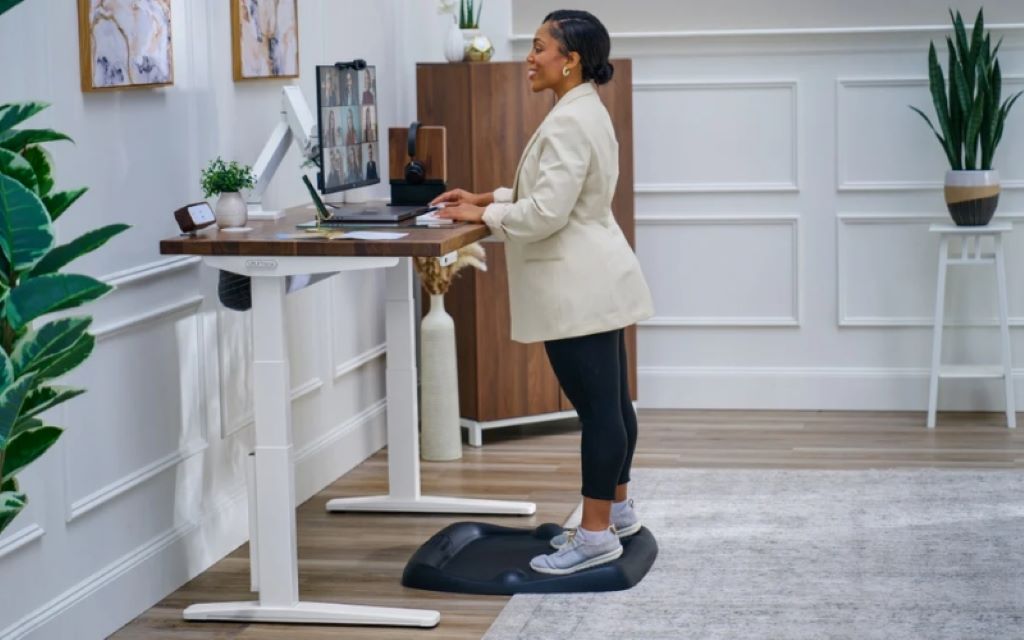
Standing desks have gained popularity for their health benefits and ability to combat the negative effects of prolonged sitting. They encourage movement, improve posture, and can even boost energy levels throughout the day.
Moreover, data from the American Heart Association indicates that standing for at least 30 minutes every hour can reduce the risk of heart disease. This statistic highlights the importance of incorporating movement into your workday. Productivity desks that allow you to stand can also enhance focus and creativity, as standing promotes better blood flow and oxygen circulation to the brain.
Additionally, standing desks can alleviate back and neck pain caused by poor sitting posture. They encourage a more natural alignment of the spine, reducing strain on the lower back and shoulders. This ergonomic comparison advantage makes standing desks a popular choice for those seeking to improve their posture and overall well-being.
The Case for Sitting Desks
While standing desks offer many benefits, sitting desks remain a staple in offices for good reason. They provide stability, comfort, and a traditional setup that many people find conducive to focused work.
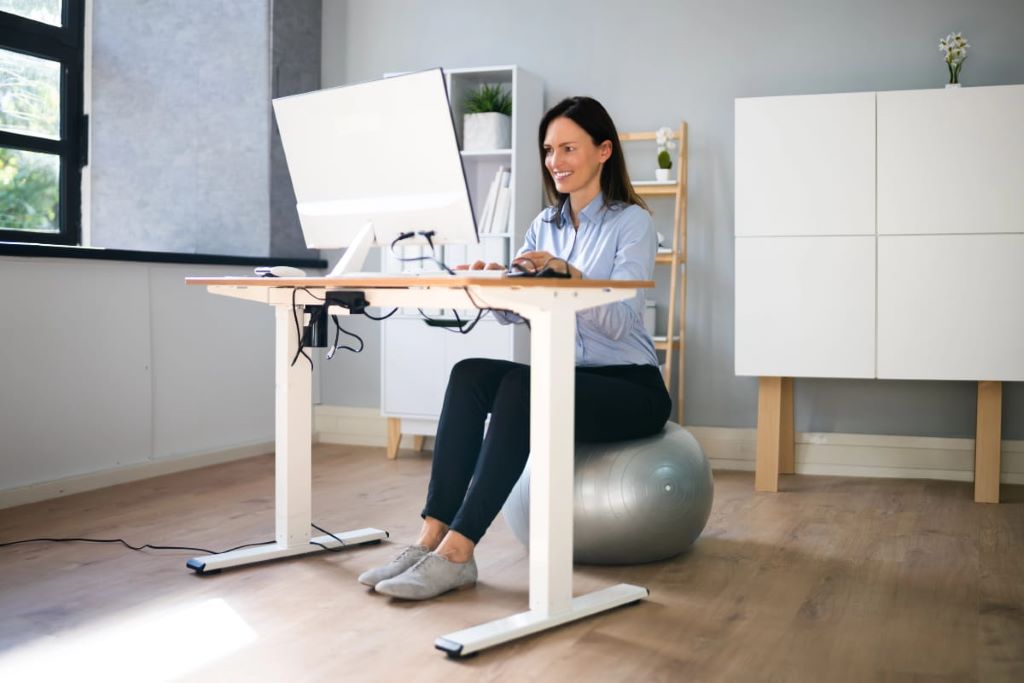
Furthermore, sitting desks are often more affordable and widely available. They also tend to be more compact, making them ideal for smaller workspaces. For tasks that require precision or prolonged concentration, such as writing or detailed computer work, a sitting desk can provide the stability needed to perform at your best.
Additionally, sitting desks can be paired with ergonomic chairs to enhance comfort and support. This combination allows you to maintain good posture while seated, reducing the risk of discomfort or strain. The posture benefits of a well-designed sitting desk setup should not be overlooked in the standing desk vs sitting desk debate. In fact, many professionals can sit for long hours without back pain by using the right chair, as proper lumbar support, adjustable seating positions, and ergonomic design work together to reduce strain and improve overall comfort throughout the workday.
Key Differences: Standing Desk vs Sitting Desk
Health Benefits
- Standing Desk: Promotes movement, improves circulation, and reduces the risk of chronic diseases associated with prolonged sitting. It also helps burn more calories throughout the day.
- Sitting Desk: Provides stability and comfort for tasks requiring precision. When paired with an ergonomic chair, it can support good posture and reduce strain.
Productivity
- Standing Desk: Can boost energy levels and creativity. Many users report improved focus and productivity when standing, especially during tasks that require brainstorming or collaboration.
- Sitting Desk: Offers a traditional setup that many find conducive to deep focus and detailed work. It can be ideal for tasks that require prolonged concentration.
Comfort
- Standing Desk: Encourages better posture and reduces back and neck pain. However, standing for too long can lead to fatigue or discomfort in the legs and feet.
- Sitting Desk: Provides immediate comfort, especially when paired with a high-quality ergonomic chair. However, prolonged sitting can lead to poor circulation and back pain.
Cost
- Standing Desk: Typically more expensive, especially if you opt for an adjustable model. However, the investment can be worth it for the health and productivity benefits.
- Sitting Desk: Generally more affordable and widely available. This makes it a practical choice for those on a budget or with limited space.
Space Requirements
- Standing Desk: Often requires more space, especially if it’s adjustable. Ensure your workspace can accommodate the desk’s height range and movement.
- Sitting Desk: Usually more compact and easier to fit into smaller spaces. This makes it a versatile option for various work environments.
Step-by-Step Guide to Choosing the Right Desk
Step 1: Assess Your Work Habits
Consider the type of work you do and how long you typically spend at your desk. If your tasks require prolonged focus or precision, a sitting desk may be more suitable. If you prefer movement and variety, a standing desk could be the better choice.
Step 2: Evaluate Your Health Needs
If you experience back pain or poor circulation from sitting, a standing desk may help alleviate these issues. However, if you have conditions that make standing for long periods difficult, a sitting desk with an ergonomic chair might be more appropriate.
Step 3: Consider Your Budget
Standing desks, especially adjustable models, tend to be more expensive. If budget is a concern, a high-quality sitting desk paired with an ergonomic chair can provide many of the same benefits at a lower cost.
Step 4: Think About Your Workspace
Measure your workspace to ensure it can accommodate the desk you choose. Standing desks often require more space, especially if they are adjustable. Sitting desks are usually more compact and easier to fit into smaller areas.
Step 5: Test Both Options
If possible, try working at both a standing desk and a sitting desk to see which one feels more comfortable and productive for you. Many people find that a combination of both—alternating between sitting and standing—provides the best balance of comfort and health benefits.
Step 6: Look for Adjustability
If you’re unsure, consider an adjustable desk that allows you to switch between sitting and standing. This flexibility can provide the posture benefits of both options, allowing you to adapt your workspace to your needs throughout the day.
Step 7: Prioritize Ergonomics
Regardless of the type of desk you choose, prioritize ergonomics. For a standing desk, ensure it’s at the correct height so your elbows are at a 90-degree angle and your screen is at eye level. For a sitting desk, pair it with an ergonomic chair that supports good posture.
Step 8: Consider Productivity Needs
Think about the tasks you perform most often. If your work involves a lot of typing or detailed tasks, a sitting desk may provide the stability you need. If you benefit from movement and collaboration, a standing desk could enhance your productivity.
Step 9: Read Reviews and Compare Models
Check customer feedback to gauge the quality, durability, and usability of different desks. Look for reviews that mention comfort, adjustability, and overall satisfaction with the product.
Step 10: Make Your Decision
After considering all the factors, choose the desk that best fits your work habits, health needs, and workspace. Whether it’s a standing desk, a sitting desk, or an adjustable model, the right choice will enhance your comfort, productivity, and overall well-being.
Common Mistakes to Avoid
- Ignoring Ergonomics: Regardless of the type of desk you choose, poor ergonomics can lead to discomfort and health issues. Always prioritize proper posture and support.
- Choosing Based on Trends Alone: While standing desks are trendy, they may not be the best choice for everyone. Consider your personal needs and preferences before making a decision.
- Overlooking Budget: Standing desks can be more expensive, especially if they are adjustable. Ensure your choice fits within your budget while still meeting your needs.
- Not Testing Both Options: If possible, try working at both types of desks to see which one suits you better. What works for one person may not work for another.
- Skipping Adjustability: If you opt for a standing desk, consider an adjustable model that allows you to switch between sitting and standing. This flexibility can provide the best of both worlds.
Benefits of Each Desk Type
Standing Desk Benefits
- Improved Health: Reduces the risk of chronic diseases associated with prolonged sitting, such as heart disease and diabetes.
- Enhanced Productivity: Boosts energy levels and creativity, making it easier to stay focused and engaged.
- Better Posture: Encourages a more natural alignment of the spine, reducing strain on the back and shoulders.
Sitting Desk Benefits
- Stability: Provides a stable surface for tasks requiring precision or prolonged concentration.
- Comfort: Offers immediate comfort, especially when paired with an ergonomic chair.
- Affordability: Generally more affordable and widely available, making it a practical choice for those on a budget.
FAQs About Standing Desk vs Sitting Desk
What are the main differences between a standing desk and a sitting desk?
The main differences lie in health benefits, productivity, comfort, cost, and space requirements. Standing desks promote movement and better posture, while sitting desks offer stability and comfort for focused tasks.
Can I alternate between sitting and standing?
Yes, alternating between sitting and standing is often the best approach. This allows you to enjoy the posture benefits of both options while avoiding the drawbacks of prolonged sitting or standing. Consider an adjustable desk for this flexibility.
Are standing desks worth the investment?
Standing desks can be worth the investment if you prioritize health and movement. They offer numerous benefits, including improved circulation, reduced risk of chronic diseases, and enhanced productivity. However, they may not be necessary for everyone.
What should I look for in a sitting desk?
Look for a sitting desk that is sturdy, comfortable, and pairs well with an ergonomic chair. Ensure it provides enough space for your work essentials and promotes good posture.
How do I know if a standing desk is right for me?
Consider your work habits, health needs, and workspace. If you experience discomfort from prolonged sitting or prefer movement, a standing desk may be right for you. Testing both options can also help you make an informed decision.
Conclusion
Choosing between a standing desk vs sitting desk in 2026 depends on your individual needs, work habits, and health goals. Both options offer unique advantages, from the posture benefits of standing desks to the stability and comfort of sitting desks. By considering factors like ergonomics, productivity, and budget, you can make an informed decision that enhances your work experience.
Ready to transform your workspace? Whether you choose a standing desk, a sitting desk, or an adjustable model, prioritize comfort, support, and productivity. Your body and your work performance will thank you!
Featured Image Source