
22 Feb How to Select Compatible Aquarium Fish for a Community Tank
Creating a thriving community aquarium brings endless enjoyment to fish keepers. However, choosing the wrong combination of species can lead to aggression, stress, and even fatalities. This comprehensive guide will help you select compatible fish that coexist peacefully while creating a vibrant underwater ecosystem.
Understanding Community Tank Basics
A community tank houses multiple species that live together harmoniously. Success depends on matching fish with similar water requirements, temperaments, and space needs. Therefore, research becomes your most valuable tool before making any purchases.
Water parameters matter significantly. Most community tanks maintain temperatures between 72 and 78 degrees Fahrenheit. Additionally, pH levels should remain stable, typically between 6.5 and 7.5 for most species. Consistency prevents stress and disease.
Tank size determines your options. Larger aquariums offer more flexibility and stability. A 20-gallon tank provides adequate space for a small community, while 55 gallons or more opens up numerous possibilities. Remember that more water volume means easier maintenance and healthier fish.
Evaluating Fish Temperament and Behavior
Temperament compatibility forms the foundation of peaceful cohabitation. Aggressive fish will terrorize passive species, creating constant stress. Consequently, understanding behavioral patterns helps prevent conflicts.
Peaceful species make excellent community members. These fish rarely show aggression and spend their time foraging or swimming calmly. Examples include tetras, rasboras, and corydoras catfish. They adapt well to various tank mates and rarely cause problems.
Semi-aggressive fish require careful consideration. Some species display territorial behavior only during breeding or feeding times. Cichlids from certain regions fall into this category. However, proper tank setup with adequate hiding spots can minimize conflicts.
Consider activity levels when selecting fish. Active swimmers need open space, while bottom dwellers prefer substrate areas. Middle-water species occupy different zones, reducing competition. This layering approach maximizes space utilization.
Selecting Tropical Freshwater Tank Mates
When building your community, tropical freshwater tank mates should share similar environmental needs. Temperature preferences align naturally among species from comparable regions. This simplification makes maintenance more manageable.
Popular choices include guppies, mollies, and platies. These livebearers tolerate various conditions and breed readily. Their peaceful nature makes them ideal for beginners. Moreover, their vibrant colors add visual appeal to any aquarium.
Schooling fish create mesmerizing displays when kept in appropriate numbers. Neon tetras, cardinal tetras, and harlequin rasboras thrive in groups of six or more. Their synchronized movements and brilliant colors captivate observers. Furthermore, larger schools reduce individual stress levels.
Barbs present a special consideration. While generally peaceful, some species like tiger barbs can nip fins. Keep them in groups of six or more to minimize this behavior. Alternatively, choose less aggressive varieties like cherry barbs.
Working with Smaller Species
A nano fish guide becomes essential when planning smaller aquariums or adding delicate species. These tiny creatures require special attention but reward keepers with unique beauty and interesting behaviors.
Microrasboras represent excellent choices for compact setups. Chili rasboras and phoenix rasboras reach less than an inch in length. Despite their size, they display vibrant colors and active personalities. Additionally, they adapt well to planted tanks with gentle filtration.
Small tetras work wonderfully in community settings. Ember tetras glow like tiny flames, while green neon tetras shimmer under proper lighting. These species prefer soft, slightly acidic water. Therefore, they pair well with other South American natives.
Dwarf corydoras provide bottom-dwelling interest without overwhelming small tanks. Pygmy corydoras and salt-and-pepper corydoras stay under an inch long. They scavenge leftover food and keep substrates clean. Moreover, their playful nature entertains observers endlessly.
Shrimp and snails complement fish communities beautifully. Cherry shrimp add pops of red color while consuming algae. Nerite snails work tirelessly on glass and decorations. However, some fish species prey on shrimp, so research compatibility carefully.
Avoiding Common Compatibility Mistakes
Many beginners make preventable errors when stocking community tanks. Learning from these mistakes saves money, time, and fish lives. Therefore, understanding potential pitfalls proves invaluable.
Overstocking ranks as the most common problem. Too many fish create waste beyond the filtration system’s capacity. This leads to poor water quality and stressed inhabitants. Follow the general guideline of one inch of fish per gallon, adjusting for species-specific needs.
Mixing incompatible water parameter preferences causes chronic stress. African cichlids prefer hard, alkaline water, while Amazonian species need soft, acidic conditions. Attempting to house them together compromises both groups’ health. Consequently, stick with species from similar geographical regions.
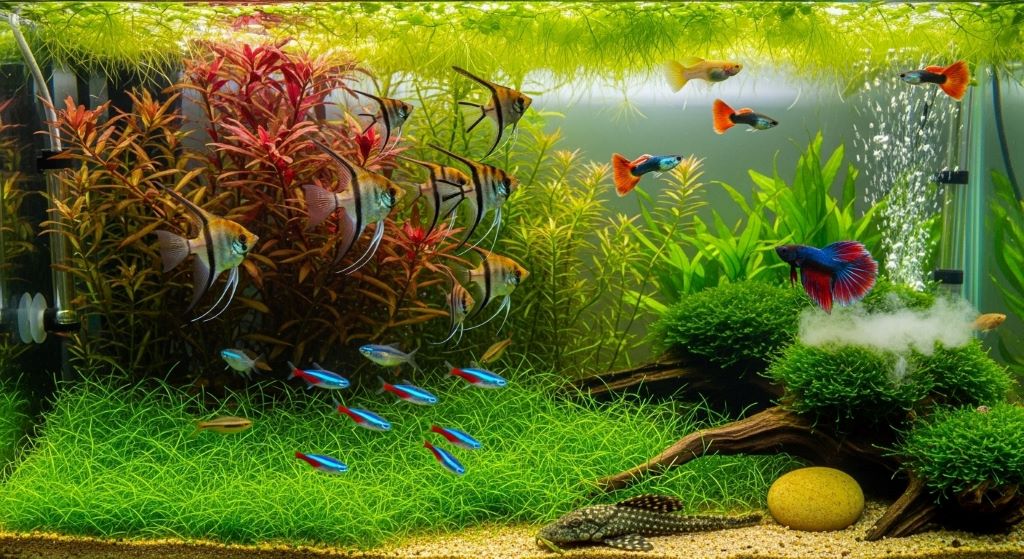
Ignoring size differences creates predator-prey situations. Adult angelfish may consume neon tetras despite peaceful cohabitation when young. Research maximum adult sizes before adding fish. This foresight prevents heartbreaking losses.
Inadequate hiding spots increase aggression and stress. Fish need territories and safe spaces to retreat when threatened. Incorporate plants, rocks, and driftwood throughout the aquarium. These additions provide security while enhancing aesthetic appeal.
Creating Successful Species Combinations
Certain fish combinations work particularly well together. These tried-and-true groupings offer excellent starting points for community tanks. However, always verify compatibility with your specific tank conditions.
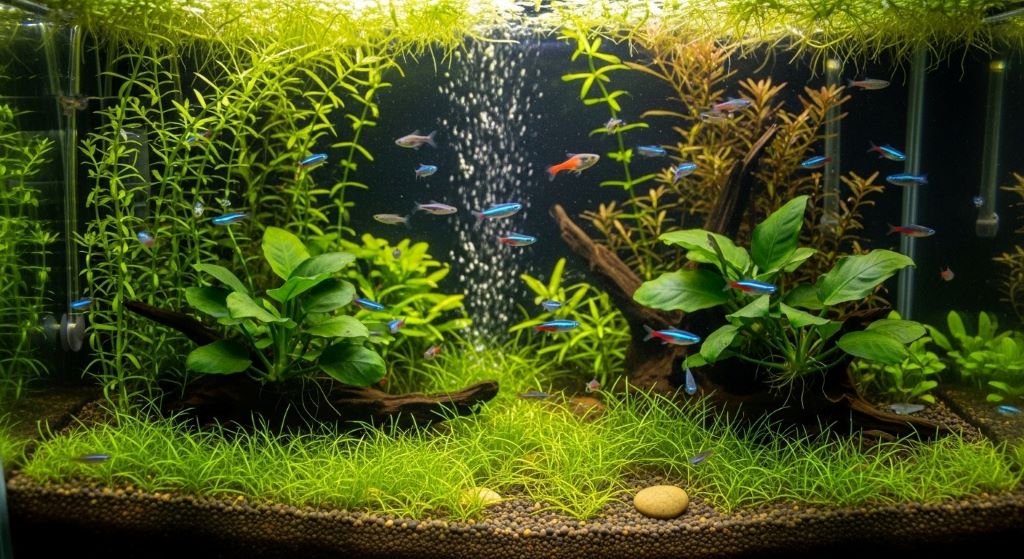
The classic tropical community includes neon tetras, corydoras catfish, and a centerpiece fish like a dwarf gourami. This combination occupies all water levels while maintaining peace. The schooling tetras provide movement, corydoras clean the bottom, and the gourami adds a focal point.
A peaceful Asian community features white cloud mountain minnows, cherry barbs, and kuhli loaches. These species tolerate cooler temperatures and create an interesting display. Additionally, they all prefer slightly neutral pH levels.
South American biotope tanks showcase the region’s diversity. Cardinal tetras, German blue rams, and bristlenose plecos thrive in soft, acidic water. Adding some rummy-nose tetras creates a stunning visual effect. Furthermore, these species naturally coexist in the wild.
For those interested in unique appearances, consider a color-themed tank. Combine yellow guppies, orange platies, and red swordtails for a warm-colored display. Alternatively, choose blue, white, and silver fish for a cool-toned aquarium.
Introducing New Fish Safely
Proper introduction procedures reduce stress and prevent disease transmission. Rushing this process often leads to problems that could have been avoided. Therefore, patience during acclimation pays significant dividends.
Quarantine new arrivals in a separate tank for two to four weeks. This practice identifies health issues before exposing your established community. Additionally, it allows new fish to recover from transportation stress in a calm environment.
Temperature acclimation prevents shock when moving fish between tanks. Float sealed bags in the aquarium for 15 to 20 minutes. This gradually equalizes water temperatures. Subsequently, add small amounts of tank water to the bag over the next 30 minutes.
Monitor new additions closely during the first week. Watch for signs of aggression from established residents. Sometimes rearranging decorations during introduction disrupts existing territories. This technique can reduce initial conflicts.
Feed fish before introducing new members. Well-fed fish show less territorial behavior. Moreover, the distraction of mealtime allows newcomers to explore without constant harassment.
Maintaining Long-Term Harmony
Ongoing care maintains the peaceful community you have established. Regular maintenance and observation prevent small issues from becoming major problems. Consequently, your aquarium remains healthy and beautiful.
Perform weekly water changes of 20 to 25 percent. This removes accumulated waste products and replenishes minerals. Consistent water quality reduces stress and prevents disease outbreaks. Additionally, it keeps your fish displaying their best colors.
Test water parameters regularly, especially in new setups. Ammonia and nitrite should always read zero, while nitrates should stay below 20 parts per million. Unexpected changes indicate problems requiring immediate attention.
Observe fish behavior daily during feeding time. Changes in appetite, swimming patterns, or appearance signal potential health issues. Early detection allows prompt treatment before conditions worsen. Furthermore, regular observation helps you appreciate the personalities of individual fish.
Provide varied nutrition appropriate for your community’s needs. Flake food serves as a staple, but supplement with frozen or live foods occasionally. Bottom dwellers need sinking pellets, while surface feeders prefer floating options. Therefore, ensure all species receive adequate nutrition.
Planning for Growth and Changes
Aquariums evolve over time as fish grow and circumstances change. Planning for these developments prevents future complications. Therefore, think long-term when making stocking decisions.
Account for adult sizes when selecting juveniles. That tiny plecostomus may reach 18 inches in a few years. Research maximum sizes and plan accordingly. Sometimes rehoming becomes necessary, so establish relationships with local fish stores or hobbyists.
Breeding can occur unexpectedly in community tanks. Livebearers reproduce prolifically, potentially overwhelming your system. Separate males and females if population control becomes necessary. Alternatively, keep only one gender of certain species.
As you gain experience, you may want to try more challenging species. Build confidence with hardy fish before attempting delicate or demanding ones. This progression ensures success and minimizes losses.
Understanding Water Chemistry Requirements
Water chemistry plays a crucial role in fish health and compatibility. Different species have evolved in various environments with specific chemical compositions. Matching these requirements prevents stress and promotes vibrant colors.
Hardness refers to dissolved minerals in water, primarily calcium and magnesium. Some fish prefer soft water with few minerals, while others need hard water to thrive. Test your tap water to understand your starting point. However, most community fish adapt to moderate hardness levels.
The pH scale measures acidity or alkalinity. Values below seven indicate acidic conditions, while numbers above seven show alkalinity. Most tropical community fish accept pH between 6.8 and 7.5. Sudden pH swings cause more harm than slightly incorrect stable values.
Carbonate hardness, or KH, buffers against pH fluctuations. Higher KH levels stabilize pH, preventing dangerous crashes. Aim for KH between 3 and 8 degrees for most community setups. This range provides stability without extreme hardness.
Recognizing Signs of Compatibility Issues
Even carefully planned communities sometimes develop problems. Recognizing warning signs early allows intervention before serious harm occurs. Therefore, stay vigilant and respond promptly to concerning behaviors.
Fin damage often indicates aggression or poor water quality. Torn or ragged fins on multiple fish suggest fighting. Inspect closely to identify aggressors. Sometimes separating one problematic individual resolves the entire issue.
Hiding behavior signals stress or intimidation. Fish that suddenly spend excessive time concealed may feel threatened. Evaluate tank dynamics to identify bullies. Additionally, ensure adequate hiding spots exist for shy species.
Faded colors indicate stress, illness, or poor water conditions. Healthy fish display vibrant, saturated colors. Dull appearances warrant immediate investigation. Test water parameters and observe social interactions carefully.
Gasping at the surface suggests oxygen deficiency. Overcrowding, high temperatures, or inadequate aeration cause this problem. Increase surface agitation and verify proper stocking levels. Furthermore, check that your filter operates correctly.
Conclusion
Selecting compatible aquarium fish requires research, planning, and patience. Understanding temperaments, water requirements, and space needs forms the foundation of success. By choosing appropriate tropical freshwater tank mates and following guidance from a reliable nano fish guide, you create a thriving community that brings joy for years.
Start with hardy, peaceful species while learning the basics. Gradually expand your knowledge and experiment with different combinations. Remember that every aquarium develops its own personality through the unique inhabitants you choose.
Proper introduction procedures and ongoing maintenance ensure long-term harmony. Regular observation helps you understand your fish’s behaviors and needs. With careful selection and dedicated care, your community tank becomes a captivating centerpiece that showcases the beauty and diversity of aquatic life.
Frequently Asked Questions
How many fish can I keep in a 20-gallon community tank?
A 20-gallon tank typically supports 15 to 20 small fish, following the one-inch-per-gallon guideline. However, this depends on species, filtration quality, and maintenance frequency. Schooling fish like tetras need groups of six or more, which affects total capacity. Additionally, consider adult sizes rather than juvenile measurements when calculating stocking levels.
Can goldfish live with tropical fish in a community tank?
Goldfish are not suitable for tropical community tanks. They require cooler water temperatures between 65 and 72 degrees Fahrenheit, while tropical species need 75 to 80 degrees. Additionally, goldfish produce significant waste and grow quite large. Therefore, keep goldfish in species-specific tanks for best results.
How long should I wait before adding fish to a new aquarium?
Wait four to six weeks after setting up a new aquarium before adding a full fish load. This allows beneficial bacteria to establish in your filter. Start with two or three hardy fish during the cycling process. Add remaining fish gradually over several weeks to prevent overwhelming the biological filtration system.
What are the easiest fish for beginners to keep together?
Guppies, platies, mollies, and corydoras catfish rank among the easiest fish for beginners. These species tolerate various water conditions and show peaceful temperaments. Additionally, they forgive minor mistakes in water quality or feeding schedules. Start with these hardy fish while developing your aquarium-keeping skills.
How do I stop my fish from fighting in a community tank?
Reduce aggression by ensuring adequate tank size, providing multiple hiding spots, and avoiding overcrowding. Feed fish sufficiently to reduce competition for food. If specific individuals show excessive aggression, remove them temporarily or permanently. Rearranging decorations sometimes disrupts established territories and reduces conflicts.
Related Topics:
Weekly, Monthly, Yearly: The Ideal Cleaning Schedule for Reef Aquariums
How to Saltwater Aquarium: Guide for Beginners and Experts