

01 Feb How Lightweight Bike Helmets Improve Comfort on Long Rides
Imagine cruising along a scenic route for hours. The views captivate you, and your legs feel strong. Then, a nagging ache creeps into your neck. Your head feels heavy, and the joy fades. Many cyclists know this struggle all too well.
A lightweight bike helmet changes the game completely. Riders choose these designs to stay fresh on extended journeys. For instance, models like the Batfox bike helmet combine low weight with solid protection. You feel the difference right away.
Research backs this up clearly. One practical test over 100 kilometers showed riders with helmets around 240 grams finished comfortably. Those wearing heavier options over 400 grams reported clear neck soreness and tension. Additionally, studies confirm that extra weight increases muscle strain noticeably during prolonged efforts.
These facts highlight why many cyclists switch. Lighter options reduce fatigue and let you focus on the road ahead.
Why Helmet Weight Matters on Long Rides
Cyclists lean forward for hours on long rides. This position places constant demand on neck muscles. Add a helmet, and the load grows.
Every gram counts over time. Heavier models pull downward more forcefully. Muscles work harder to hold your head steady. Fatigue builds gradually but steadily.
In contrast, lighter helmets ease this burden. Riders maintain natural posture longer. They avoid stiffness that disrupts rhythm.
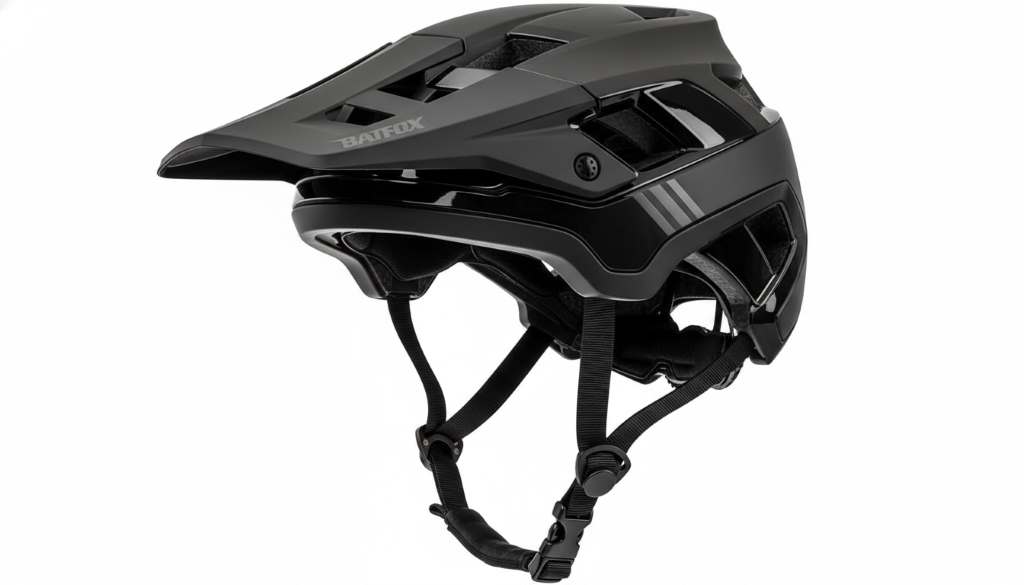
For example, road cyclists often prefer models under 300 grams. These keep strain minimal even after several hours. Mountain bikers benefit too on technical trails.
Moreover, reduced weight helps in wind or climbs. Your head moves freely without extra effort. Comfort stays high throughout the day.
The Science Behind Neck Fatigue and Helmet Weight
Neck muscles support your head constantly. A typical adult head weighs about 4.5 to 5 kilograms. Helmets add to this load directly.
Tests reveal clear patterns. In one 100-kilometer ride, participants wore different weights. The 240-gram group reported almost no issues. Medium options around 460 grams caused mild tension. Heavier full-face models led to soreness and frequent adjustments.
Researchers note similar effects. Extra weight increases cervical spine pressure. Muscles like the trapezius and sternocleidomastoid tire faster.
Furthermore, forward-leaning postures amplify the problem. Blood flow decreases slightly, and stiffness sets in. Over time, this leads to headaches or reduced focus.
However, cutting weight reverses these issues. Riders stay alert and enjoy the experience more fully.
How Lightweight Designs Improve Ventilation
Lightweight helmets often feature advanced construction. Manufacturers use fewer dense materials. This allows more vents without losing strength.
Air flows freely through channels. Heat escapes quickly, and sweat evaporates faster. Your head stays cooler on warm days.
Many top models include large front openings. These scoop air efficiently at speed. Internal pathways direct flow across the scalp.
As a result, you avoid that trapped, stuffy feeling. Comfort remains consistent even on hot climbs. Additionally, better airflow reduces fogging on glasses.
Riders report feeling fresher longer. They tackle summer centuries with ease.
Aerodynamic Advantages for Extended Efforts
Long rides demand efficiency. Every watt saved helps you go farther. Aero-focused lightweight helmets slice through wind smoothly.
Sleek shapes reduce drag noticeably. Some designs save seconds per kilometer. Over hours, this adds up significantly.
Moreover, lighter aero models avoid bulk. They combine speed with generous venting. You gain efficiency without overheating.
For instance, many road options blend both qualities. Riders maintain higher speeds comfortably. Fatigue arrives later in the day.
This balance proves ideal for gran fondos or touring.
Modern Materials That Make It Possible
Technology drives these improvements. In-mold construction fuses outer shell and foam. This creates strong yet light structures.
Expanded polystyrene absorbs impacts well. Carbon fiber reinforcements add strength selectively. Manufacturers cut grams strategically.
MIPS layers slide slightly on impact. They redirect rotational forces effectively. All this happens without added bulk.
Additionally, adjustable cradles distribute weight evenly. Padding wicks moisture and feels plush. Fit adjustments ensure stability.
These advances deliver protection that rivals heavier older designs.
Does Lighter Mean Less Safe?
Safety always comes first for cyclists. Fortunately, lightweight helmets meet rigorous standards. They pass the same tests as bulkier options.
Virginia Tech ratings often favor modern light models. Advanced foams manage energy better. Multi-directional protection systems enhance brain safety.
In real-world data, proper helmets reduce injury risk dramatically. Weight plays little role in core protection.
However, always choose certified products. Look for CPSC or EN labels. Fit matters most for effectiveness.
Lighter designs simply add comfort on top of solid safety.
Key Features to Look For in a Lightweight Helmet
Choosing the right model feels straightforward with clear criteria. Focus on these elements for long-ride success.
- Weight under 300 grams for road use
- Multiple large vents with internal channels
- Adjustable retention system for secure fit
- MIPS or similar rotational protection
- Removable, washable padding
Test fit in person when possible. Shake your head gently. The helmet should stay put without pressure points.
Moreover, consider your riding style. Road cyclists prioritize aero vents. Trail riders need visor compatibility.
Try several options. Comfort reveals itself quickly.
Real Rider Experiences with Lightweight Helmets
Many cyclists share similar stories. One friend switched after constant neck pain on centuries. A 250-gram model transformed his rides. He now tackles 200-kilometer days easily.
Another rider noticed better focus. Less fatigue meant sharper decisions on descents. Enjoyment returned fully.
Groups often upgrade together. They report staying fresher on club rides. Conversations flow better without constant complaints.
These anecdotes match test results. Lighter weight consistently improves the experience.
Tips to Maximize Comfort on Every Ride
Even great helmets benefit from smart habits. Follow these practices for best results.
First, adjust fit carefully. Straps form a V under ears. The cradle sits level on your head.
Next, strengthen neck muscles off the bike. Simple exercises build endurance. They complement light helmets perfectly.
Additionally, take short breaks on very long days. Stretch gently and hydrate well.
Finally, clean vents regularly. Clear airflow maintains cooling power.
Small steps add big comfort gains.
Related:
5 Boro Bike Tour: What Streets Are Closed
Best Selling Electric Fat-Tire Bikes 2025 for All-Terrain Riders
Conclusion
Lightweight bike helmets transform long rides fundamentally. They cut neck strain, improve airflow, and boost efficiency. You stay comfortable and focused for hours.
Research and rider feedback confirm the benefits clearly. Modern materials deliver safety without compromise.
Choose a quality lightweight model that fits well. Your future rides will feel easier and more enjoyable.
Ready to upgrade? Measure your head, research options, and hit the road with renewed energy. Longer adventures await.
FAQs
What weight qualifies as a lightweight bike helmet?
Most riders consider under 300 grams lightweight for road use. Premium models often hit 220 to 265 grams. Mountain options run slightly higher around 350 grams.
How much difference does 100 grams make on long rides?
It makes a noticeable impact. Tests show reduced muscle activity and delayed fatigue. Riders feel fresher after several hours.
Do lightweight helmets overheat more?
No, they often cool better. Advanced designs include more vents. Airflow stays superior in most cases.
Can lightweight helmets protect as well as heavier ones?
Yes, absolutely. They meet identical safety standards. Modern technology manages impacts effectively at lower weight.
How do I know if my current helmet is too heavy?
Monitor neck soreness after rides over three hours. Frequent adjustments or stiffness suggest trying a lighter option.
References
- Relationship Between Helmet Weight and Cognitive Performance: https://pmc.ncbi.nlm.nih.gov/articles/PMC9168810/
- Long-Distance Cycling Neck Fatigue Test Results: https://buybikehelmet.com/blog/lightweight-bike-helmet-neck-fatigue-test
- Best Road Bike Helmets Guide 2026: https://www.bikeradar.com/advice/buyers-guides/best-road-bike-helmets
- Bicycle Helmet Cooling and Ventilation: https://helmets.org/cooling.htm