
04 Aug How to Get High Quality Towels on a Budget
We all know the frustration: you buy a new set of towels, and after a few washes, they feel scratchy, lose their absorbency, and start fraying at the edges. You end up spending more money replacing cheap towels than if you had invested wisely in the first place. The good news? You don’t need to sacrifice quality for affordability. Finding high-quality towels on a budget is entirely possible when you know what to look for and where to shop. This guide will walk you through the exact process of selecting durable, soft, and highly absorbent towels without breaking the bank, including specific insights for those seeking budget kitchen towels Florida residents swear by. We’ll focus on material science, construction, and smart shopping tactics that prioritize value over price tags.
What Defines a High-Quality Towel?
A high-quality towel is defined by its material, GSM (grams per square meter), weave, and construction. The best towels use long-staple cotton, like Egyptian or Supima, which creates a softer, more durable fabric. The construction, such as zero-twist or terry weave, affects absorbency and drying speed. In short, a premium towel feels plush, dries you effectively, and survives numerous washes without losing its shape or softness.
Understanding GSM in Towels
GSM stands for grams per square meter, and it directly relates to a towel’s density and weight. For everyday use, a GSM between 400 and 600 is ideal. Towels below 400 GSM are thin and dry quickly but lack plushness. Those above 600 GSM are luxurious and highly absorbent but take longer to dry and are generally more expensive. Look for a 500–600 GSM range for that “hotel feel” without the luxury price tag.
The Role of Cotton Fiber Length
Cotton fibers are categorized by length. Long-staple fibers create smoother, stronger yarns that resist pilling and shedding. Standard cotton (upland) uses shorter fibers, which can become rough over time. When shopping on a budget, look for towels labeled as “long-staple” or “combed cotton.” This ensures a softer feel and better durability, rivaling expensive Egyptian cotton options.
Different Weave Types Explained
The weave impacts the towel’s texture and function. The most common is the terry weave, characterized by loops that increase surface area for absorbency. Zero-twist towels use un-twisted fibers for extra softness but can be less durable. Waffle weave is lightweight and quick-drying, making it excellent for kitchen or gym use. Choose a low-twist terry for the best balance of softness and longevity.
Why Do Cheap Towels Lose Their Absorbency?
Cheap towels lose their absorbency due to the buildup of fabric softeners, dryer sheets, and detergent residue on the fibers. These products coat the cotton strands, preventing water from penetrating the loops. Additionally, lower-quality synthetic blends or short-staple cotton break down faster, clogging the weave with lint and reducing the towel’s ability to dry effectively.
The Science Behind Water Absorption
Absorbency is determined by the capillary action of the fibers and the space between weave loops. High-quality cotton has a natural wax layer that is hydrophilic (attracted to water). When this layer is stripped by harsh chemicals or the fibers are damaged, the towel repels water. Using a vinegar rinse occasionally or avoiding softeners can restore absorbency in damaged towels.
How Fabric Softeners Ruin Towels
Fabric softeners leave a waxy coating on towel fibers, which is excellent for clothes but terrible for towels. This coating seals the fibers, making them hydrophobic (water-repelling). To keep towels effective, skip the fabric softener entirely. Instead, use a half-cup of white vinegar in the rinse cycle to break down alkaline residue and keep fibers fluffy.
Detergent Residue and Hard Water Effects
If you live in an area with hard water, mineral deposits can accumulate in the towel’s fabric. This makes towels stiff and reduces absorbency. Over time, detergent residue compounds the problem. To combat this, use less detergent than recommended, and run an extra rinse cycle to ensure all soap is removed, preserving softness and function,Once you have selected your affordable, premium-grade linens, you can elevate your bathroom routine even further by pairing them with the right Must-Have Spa Accessories for a Relaxing Bath Experience to create a true at-home retreat.
How to Spot a Durable Towel Before Buying?
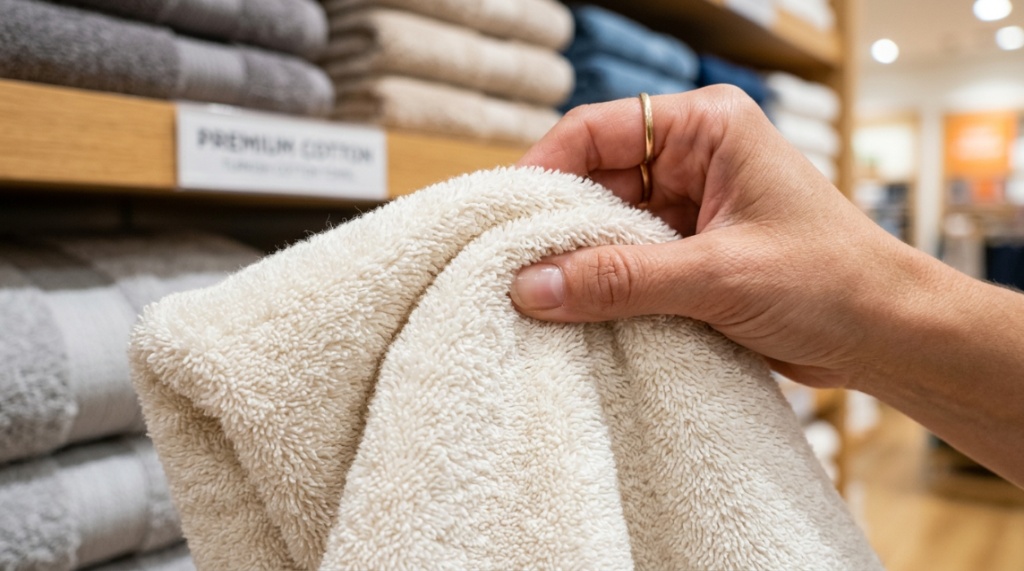
To spot a durable towel, examine the hem, edges, and the density of the loops. A reinforced hem with double stitching prevents fraying. Check the fabric for tight, dense loops; you can hold it up to the light to see if there are any thin spots. High-quality towels also feel heavier and have a “hand” that is thick and substantial.
Look for Reinforced Hems and Edges
The hem is the most common place for a towel to fail. A high-quality towel features a strong, reinforced hem that is double-stitched or has a rolled edge. This prevents the fabric from unraveling in the wash. Run your fingers along the edge; if it feels flimsy or you see loose threads, it’s a sign of poor construction.
The Pilling Test: What to Check in Store
Pilling is the formation of small fabric balls on the surface. In store, you can perform a basic scratch test. Gently rub the towel’s surface with your fingernail. If fibers ball up or snag easily, it’s likely to pill quickly. A durable towel will resist this friction and maintain a smooth surface.
Weight and Density as Durability Indicators
Weight is a reliable indicator of quality when combined with fiber type. A heavier towel generally means more cotton is used. However, some manufacturers add weight with chemical finishes or synthetic fillers. Compare towels by feeling them—a dense, thick towel with tight loops is more durable than a fluffy, airy one that will flatten after washing.
Which Material is Best for Absorbency?
For maximum absorbency, 100% combed cotton or bamboo viscose are the best materials. Cotton, especially long-staple varieties, is naturally hydrophilic and durable. Bamboo is highly absorbent, softer than cotton, and has antibacterial properties. However, cotton is more widely available and generally more cost-effective. Avoid microfiber for bathroom towels, as it can trap bacteria and isn’t as soft against the skin.
Comparing Cotton, Bamboo, and Microfiber
Each material offers distinct benefits. **Cotton** excels in absorbency, softness, and durability. **Bamboo** is incredibly soft and dries fast, making it eco-friendly. **Microfiber** is very absorbent and dries quickly but feels less plush and can hold odors. For high quality on a budget, ultra-soft cotton is the most reliable choice for towels.
Why Organic Cotton is a Smart Budget Choice
Organic cotton is grown without harmful pesticides, making it stronger and smoother. The fibers are not broken down by harsh chemicals during processing, resulting in a longer-lasting towel. While the upfront cost can be slightly higher, the longevity ensures you get more value per use, making it a smarter long-term budget choice.
The Fast-Drying Advantage of Waffle Weave
Waffle weave towels are structured with a honeycomb pattern that allows for maximum airflow. This makes them dry significantly faster than traditional terry towels. They are lightweight, easy to store, and ideal for kitchens, gym bags, or travel. Though less plush, they save energy in drying and are extremely functional.
When Is the Best Time to Buy Towels on Sale?
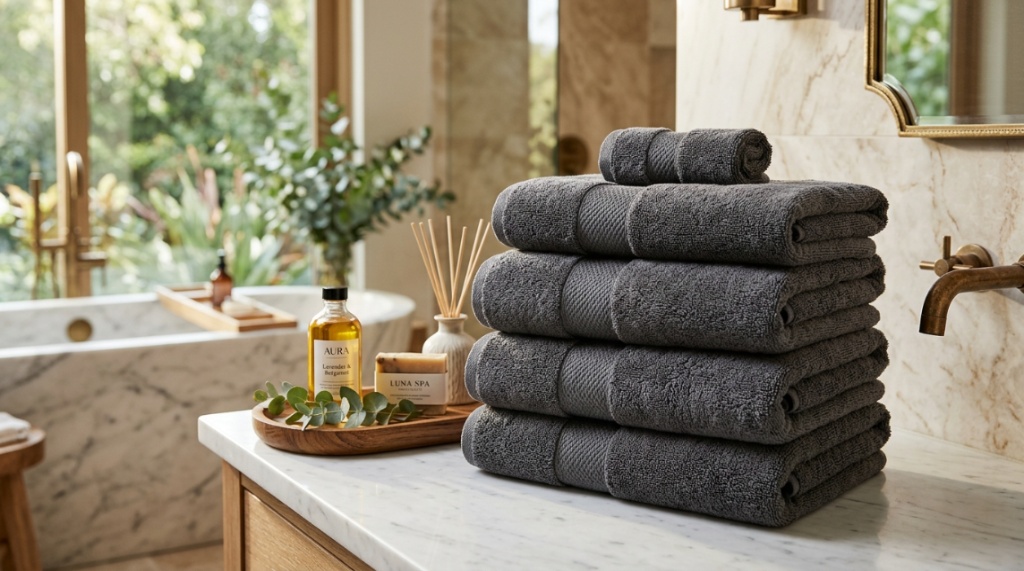
The best time to buy towels is during major retail holidays like Black Friday, Cyber Monday, or during the January white sales. Home goods retailers also discount towels during spring cleaning events and back-to-college sales in August. Shopping off-season, like buying heavy towels in summer, can yield discounts of up to 70%.
Leveraging Post-Holiday White Sales
January is traditionally the “White Sale” month in the U.S., where department stores heavily discount all types of linens, including towels. This is the perfect time to stock up on premium brands that are usually outside your budget. Sign up for store newsletters in December to get early access to these deals.
Seasonal Discounts and Clearance Events
Retailers make room for new seasonal inventory, meaning clearances happen frequently. For Florida residents, summer is a key time to buy beach towels, while winter is for heavy bath towels. Look for clearance racks near the back of the store, and check online “outlet” sections for additional savings.
Using Coupons and Stacking Promo Codes
Don’t just buy a towel because it’s on sale; check if you can stack a manufacturer coupon with a store coupon. Many online retailers allow you to apply a promo code on top of a discounted price. Also, using cashback apps can give you an additional percentage back on your purchase, effectively lowering the price further.
Can You Trust Discounted Luxury Towel Brands?
Yes, you can trust discounted luxury brands if you verify authenticity and check reviews. Often, luxury brands have “factory seconds” with minor flaws that don’t affect performance. Alternatively, they offer sales cycles where last season’s colors are deeply discounted. Always buy from authorized retailers or the brand’s official site to avoid counterfeits.
Recognizing Genuine Factory Seconds
Factory seconds are items that fail a strict quality check due to a tiny discoloration or a slight weave inconsistency. These are typically sold at outlets or online clearance sections. The flaws are cosmetic and don’t affect the towel’s softness or absorbency. Look for terms like “irregular” or “second quality” on the label.
How to Verify Authenticity and Quality
Before purchasing a discounted luxury towel, research the brand’s usual GSM and fiber content. If the price is too good to be true, it might be a fake. Check customer reviews on third-party sites to see if users report issues like heavy lint shedding or shrinking. Authentic luxury towels will maintain their size and feel.
Top Affordable Luxury Alternatives
If the price tag on Egyptian cotton makes you wince, look for alternative premium materials. **Turkish cotton** offers a similar luxurious feel at a lower cost. **Pima cotton**, grown in the US, is also a quality choice. These options provide high-end texture without the designer branding markup, giving you more quality for your money,
How to Maintain Towels to Extend Their Life?
To extend the life of your towels, wash them in warm water (not hot) and tumble dry on medium. Over-drying weakens cotton fibers. Avoid bleach and fabric softeners. Air drying is gentlest, but if using a dryer, shake towels out before placing them inside to plump up the loops and ensure even drying.
The Correct Washing Cycle for Towels
Towels need room to move in the washing machine. Avoid overloading the drum, which causes friction and fiber damage. Use a hot water cycle for your first wash to activate the cotton, then switch to warm for subsequent washes. Hot water is better for killing bacteria, but warm is sufficient for daily cleaning.
Why Vinegar and Baking Soda Are Your Friends
To keep towels fresh and absorbent, use baking soda for odor removal and white vinegar for fabric softening. These natural additives break down detergent buildup and neutralize odors without chemical residue. A monthly wash with vinegar and baking soda can rejuvenate towels that have become stiff or smelly.
Drying Techniques to Preserve Fiber Integrity
Tumble drying on low or medium heat is best, but remove towels while they are still slightly damp. This prevents the fibers from becoming brittle and harsh. If using a clothesline, shake the towel vigorously before hanging to re-fluff the loops. Avoid direct sunlight for extended periods, as UV rays can cause fading.
Where to Find the Most Affordable High-Quality Towels?
You can find affordable high-quality towels online at discount retailers like Amazon, HomeGoods (in-store), and Marshalls. Also, consider direct-to-consumer brands that bundle shipping costs. Online marketplaces allow you to compare bulk prices and read verified reviews, ensuring you get quality without the retail markup.
Evaluating Online Marketplaces vs. Brick-and-Mortar
Online marketplaces offer convenience and a vast selection, often with lower prices due to lower overhead. Brick-and-mortar stores allow you to feel the texture and weight before buying. Combining both is the best strategy: use online to research and compare prices, then visit a store to physically test the top contenders. This saves time and money.
The Benefits of Buying Wholesale or in Bulk
If you are outfitting a home or a rental property, buying in bulk can save a substantial amount. Wholesale accounts require a business license, but many online stores offer “bulk discounts” at 6 or 12-piece quantities. Even without a license, buying a full set of matching towels is often cheaper per unit than buying singles.
Finding Local Deals in Florida
In Florida, check local discount stores like Ollie’s Bargain Outlet or Big Lots for closeout deals. Additionally, seasonal beach towel sales at tourist stores in the off-season can be a goldmine. For tailored options, you can explore curated selections of budget kitchen towels Florida shoppers recommend, which highlight the best picks that withstand the humid climate.
Is Higher GSM Always Better for Towels?
No, higher GSM is not always better. While high GSM (over 700) is plush and absorbent, it becomes heavy and takes a long time to dry. This can lead to musty odors and wear-and-tear from prolonged drying cycles. For practical daily use and washability, a GSM of 500-600 is the optimal sweet spot.
The Drawbacks of Ultra-Heavy Towels
Ultra-heavy towels (often called “bath sheets”) are luxurious but cumbersome. They take up significant laundry space and dry slowly. In humid climates like Florida, they remain damp longer, creating an environment for mildew. They are also more expensive to wash and dry due to increased water absorption.
Balancing GSM with Climate Needs
Climate should dictate the GSM you choose. In hot, humid areas, a lower GSM (around 400-500) with a waffle weave is more sensible as it dries quickly and prevents bacterial growth. In colder regions, a high GSM provides warmth and coziness. Balance your desire for plushness with your local weather patterns.
GSM Myths: What Retailers Don’t Tell You
Some retailers use GSM as a marketing tool, but a high GSM doesn’t guarantee quality if the cotton is poor quality or the weave is loose. Some importers artificially inflate GSM by adding chemical softeners. Always pair the GSM number with fiber type and weave density to get a true picture of the towel’s quality.
Frequently Asked Questions
Are expensive towels worth the money?
Expensive towels are worth it if you value longevity and consistent softness. They hold up better to frequent washing and maintain their absorbency far longer than budget options. However, a mid-range towel with a good GSM and 100% combed cotton can offer similar performance.
How often should I replace my towels?
You should replace your bath towels every 2-3 years if used daily. Kitchen towels should be replaced more frequently, especially if they develop a lingering odor that washing can’t remove or if they lose their ability to dry dishes effectively. Inspect for fraying edges as a signal to upgrade.
Can I use vinegar on colored towels?
Yes, white vinegar is safe for colored towels. It acts as a natural color preserver and helps remove detergent residue that causes dullness. It won’t bleach the fabric. Always test a small corner first if you are concerned about a specific dye, but it is generally color-safe.
What is the ideal GSM for kitchen towels?
The ideal GSM for kitchen towels is between 300 and 400. This weight is heavy enough to absorb spills and dry dishes efficiently but light enough to dry quickly. A lower GSM ensures they don’t hold moisture and become a breeding ground for bacteria in the kitchen environment.
Why do my towels smell even after washing?
That sour smell is caused by bacteria and mildew thriving inside the fibers. This happens when towels stay wet too long, or when the washing machine doesn’t fully drain. Wash towels on the hottest setting with vinegar and baking soda, and ensure they are completely dry before storing.
Is bamboo better than cotton for towels?
Bamboo is a great alternative to cotton because it’s more eco-friendly, naturally hypoallergenic, and dries faster. However, cotton (especially long-staple) is often softer and more durable in the long run. The choice depends on your priorities: bamboo for eco-friendliness and speed, cotton for plushness.
Should I wash new towels before using them?
Yes, always wash new towels before the first use. This removes chemical finishes applied during manufacturing to keep them looking pristine. Washing initially also activates the cotton fibers, making them more absorbent. Use hot water and a half-cup of vinegar for the first wash to set the colors.