

07 Sep What Makes the Best Bicycle Bell for Safe Riding?
Every cyclist knows the feeling: you’re cruising down a shared path, approaching a pedestrian from behind, and you need to alert them of your presence without startling them. Shouting “on your left!” can be misunderstood, and a poorly designed bell might be too quiet to hear or too cheap to last. Choosing the right bell isn’t just about convenience; it is a critical component of safe and courteous riding. The challenge is that the market is flooded with options, from tiny brass classics to loud electronic gadgets, making it tough to know which one truly fits your needs. In this guide, we’ll break down the essential features that define a high-quality bell, helping you make an informed choice that enhances your safety and respects those around you.
Key Takeaways
- Loudness and clarity are paramount: The primary job of a bell is to be heard. Look for models with a decibel rating of 75 dB or higher and a clear, pleasant tone that cuts through ambient noise.
- Durability matters more than price: A cheap bell that rusts or breaks after a season is a false economy. Materials like aluminum, brass, or high-grade polymers with stainless steel hardware offer longevity.
- Mounting compatibility is non-negotiable: Check your handlebar diameter and shape. A bell with a universal clamp or one designed for oversized aero bars ensures a secure, rattle-free fit.
- Mechanical over electronic for reliability: A spring-loaded mechanical bell provides instant sound and never runs out of battery, making it the most dependable choice for everyday commuters.
Why Your Bicycle Bell Choice Matters for Safety
A bicycle bell is more than just a legal requirement in many jurisdictions; it’s your primary tool for non-verbal communication on the road and trail. Its effectiveness directly influences how pedestrians, other cyclists, and even motorists perceive and react to your approach. A bell that is too quiet forces you to shout, which can be aggressive or unclear. A bell that sounds harsh or jarring can cause a pedestrian to jump into your path rather than step aside. The best bicycle bell produces a sound that is audible yet friendly, giving others enough time to react calmly and predictably. This is especially vital in urban environments where traffic noise can easily mask a weak “ding.”
The Difference Between a Warning and a Nuisance
The tone of your bell plays a significant role in how people respond. A single, clean “ding” from a well-tuned mechanical bell is universally understood as a polite signal. In contrast, a buzzer or a poorly made ringer that sounds like a toy can be confusing or annoying. The goal is to share the path safely, not to assert dominance. The sound should be a pleasant invitation to be aware of your presence, fostering a cooperative environment between all path users.
Critical Features to Evaluate in a Top-Quality Bell
Not all bells are created equal. To find the best bicycle bell for your specific riding style, you need to evaluate several key components that affect performance, longevity, and usability. Ignoring these factors can lead to frustration, a wasted purchase, or a safety hazard. We’ll break down these features into what truly matters versus what is simply marketing fluff.
Sound Output and Tone Quality
Sound is the bell’s sole purpose, so sound quality should be your primary filter. The loudness is typically measured in decibels (dB). For urban commuting where traffic noise is high, look for a bell rated between 80 dB and 100 dB. However, louder isn’t always better. A bell that is excessively loud can be startling and may cause a negative reaction in pedestrians. The tone quality is just as important; you want a clear, resonant “ring” rather than a dull “thud.” The best bells are designed with a dome and striker mechanism that creates a pure, long-lasting tone that carries well.
Build Quality and Materials
The construction material determines how well the bell will survive the elements and daily wear. Look for a bell with a metal dome, such as brass or aluminum, which naturally resonates better than plastic and produces a richer sound. Plastic bells are lightweight and cheap but often sound muted and are prone to cracking under UV exposure or in cold temperatures. The internal spring mechanism should be corrosion-resistant, ideally made of stainless steel, to ensure crisp action even after exposure to rain and road grime. A high-quality bell should feel solid in your hand with no sharp edges or flimsy parts.
Mounting System and Handlebar Compatibility
Nothing is more frustrating than a bell that won’t stay put or doesn’t fit your bike. The mounting system is a critical point of failure for many cheaper bells. Standard bells typically fit handlebars with an outer diameter of 22.2mm, but many modern road and mountain bikes use oversized or aero-shaped handlebars that require a different clamp. Before purchasing, measure the diameter of your handlebar where you intend to mount the bell. A good bell will come with a durable rubber shim to protect your handlebar and prevent slippage, and a secure clamp mechanism (often a hex bolt) that doesn’t require tools to remove quickly.
Comparing Bell Types: Mechanical vs. Electronic
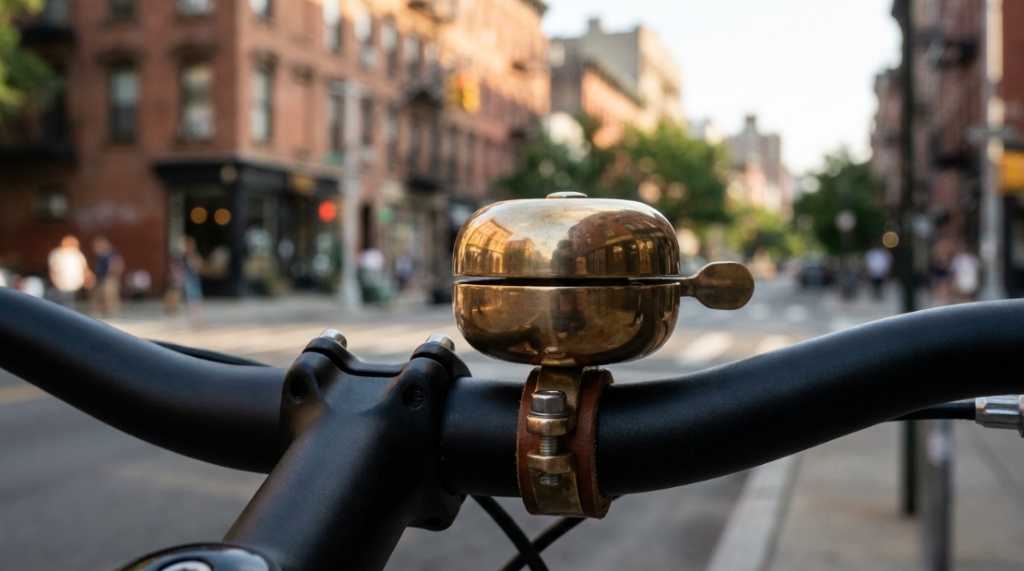
Once you’ve established the basic quality criteria, you must decide which activation mechanism suits your needs. The two main categories are traditional mechanical bells and modern electronic bells. Each has distinct advantages and disadvantages in terms of reliability, sound, and ease of use. The right choice depends heavily on how and where you ride, as well as your personal preference for maintenance and battery management.
| Feature | Mechanical Bell | Electronic Bell |
|---|---|---|
| Sound Source | Spring-loaded striker hits a metal dome | Digital speaker plays a pre-recorded sound |
| Reliability | Always works, no batteries required | Depends on battery life and charge |
| Sound Range | Typically 75–100 dB, fixed tone | Adjustable volume and multiple sound options |
| Maintenance | Very low; occasional lubrication | Requires charging or replacing batteries |
| Weight | Generally light (50-100 grams) | Often heavier due to battery and speaker |
| Mounting | Clamps to various handlebar sizes | May use rubber straps or clamps; often recessed |
Are Mechanical Bells the Most Reliable Option?
For the vast majority of riders, a good mechanical bell is the superior choice. Its simplicity is its strength. There is no battery to die on a long ride and no power button to forget to press. A single, firm press of the thumb lever produces an immediate and consistent sound. This predictability is crucial in a sudden situation where you need to alert someone instantly. Furthermore, mechanical bells are generally lighter, simpler to maintain, and more weatherproof than their electronic counterparts, To complete your bike setup with high-quality components, explore expert recommendations to find out what is the best brand of bicycle.
When Could an Electronic Bell Be Justified?
Electronic bells have carved out a niche for specific scenarios. They are useful for riders who need a very loud sound to compete with heavy city traffic—some models can reach 120 dB, which is significantly louder than a mechanical bell. They also offer versatility with different sound profiles (e.g., a horn sound for cars and a bell sound for pedestrians). However, this utility comes with the trade-off of recharging and the risk of it failing when you need it most. For the disciplined commuter who charges devices daily, an electronic bell might be viable, but for the “grab-and-go” cyclist, a mechanical bell is still more dependable.
How to Choose a Bell for Your Specific Riding Style
The “best” bell isn’t a universal object; it is the one that works best in your primary riding environment. A bell perfect for a quiet country lane might be ineffective on a bustling city street, and a heavy-duty bell might be overkill for a lightweight road bike. By matching the bell’s characteristics to your riding habits, you ensure that it serves its purpose without becoming a hindrance.
City Commuters and Urban Riders
If you navigate bike lanes, shared paths, and busy intersections, your bell needs to be loud and easily accessible. You will be using it frequently, so the thumb lever must be within easy reach without moving your hands from the brakes. Look for a bell with a high-decibel output and a bright, penetrating tone. Durability against rain and vandalism is also key, so opt for a robust all-metal design. A larger striker button or lever can also be helpful if you ride with gloves.
Road and Gravel Cyclists
For road and gravel riders, weight and aerodynamics are often priorities. A bulky bell can disrupt the clean look of the bike and add unnecessary grams. However, safety should not be sacrificed. Many modern road bike bells are designed to be sleek and lightweight, often integrated into the handlebar end or tucked away on the stem. Consider a compact mechanical bell with a low-profile design that can still produce a decent “ping” to warn trail users, even if it’s not the loudest on the market.
Mountain Bikers and Trail Riders
On multi-use trails, the primary function of a bell is to alert hikers, horses, and other trail users of your approach. The sound should be pleasant and not startling to animals. A classic brass “ding” is often preferred in these natural settings over a harsh electronic horn. Durability is critical, as the bell will be subjected to dust, mud, and potential knocks. A secure mounting clamp that won’t rotate on rough descents is essential, ensuring the bell is ready to use at a moment’s notice.
Common Mistakes to Avoid When Buying a Bell
Even with a clear understanding of features, cyclists often make errors that turn a simple purchase into a recurring headache. Being aware of these common pitfalls can save you time and money. These mistakes often stem from prioritizing cost savings over functionality or failing to consider the specific dimensions of your bike setup.
- Ignoring handlebar diameter: Assuming “one size fits all” is the most frequent error. Oversized carbon bars (31.8mm) or aero-shaped bars often require specialized clamps. Always check the spec sheet before buying.
- Choosing style over sound: A vintage brass bell looks gorgeous on a café cruiser but may be too quiet for a busy city commute. Prioritize functionality for your environment.
- Buying ultra-cheap plastic bells: While they are inexpensive, their sound quality is often poor, and they are prone to breaking. The cost of replacing them frequently quickly adds up, making a more durable purchase the better value.
- Forgetting about brake lever clearance: On some road bikes, the space on the handlebar is tight. Ensure the bell you choose does not interfere with the reach of your brake levers or the shifting cables.
Installation and Maintenance Best Practices
Once you’ve selected your bell, correct installation is crucial for its long-term functionality. A poorly installed bell can rotate on the bar, making it impossible to use without looking down. Similarly, a little preventative maintenance will keep the mechanism working smoothly for years. Here is a simple guide to ensuring your bell stays in top condition.
- Positioning: Place the bell on the flat section of the handlebar, just inward from the grip and brake lever. This allows you to press it with your thumb without changing your grip.
- Tighten Securely: Use the appropriate tool (often a hex wrench) to tighten the clamp, but be cautious not to over-tighten, as this can crack carbon fiber handlebars. Using the rubber shim provided is essential to prevent slipping and scratching.
- Lubricate Mechanism: Occasionally, apply a drop of light oil (like WD-40 or a bike-specific lube) to the spring mechanism and the striker hinge to prevent corrosion and ensure a crisp sound.
- Clean the Dome: Over time, road grime can mute the bell’s resonance. Wipe the dome and the striker with a dry cloth periodically to keep the sound clear and bright.
Frequently Asked Questions
Are bicycle bells legally required?
Yes, in many states and countries, bicycles are legally required to have a bell or another audible signaling device when riding on public roads. For example, in the UK, a bicycle used on a public road must be fitted with an audible warning instrument. However, regulations vary, so it is always wise to check your local laws to ensure compliance.
Can I use a bell on a dirt bike or e-bike?
Absolutely. With the increasing popularity of e-bikes and off-road cycling, bells are essential for sharing trails with pedestrians. For faster vehicles like e-bikes, a louder bell or an electronic horn might be more appropriate to ensure your approach is heard at higher speeds, especially on mixed-use paths.
How loud does a bicycle bell need to be?
Most experts recommend a bell that produces a sound of at least 75 to 80 decibels. This is roughly the volume of a vacuum cleaner or a loud conversation. This decibel range is generally sufficient to be heard above typical street noise without being completely startling to pedestrians in close proximity.
What is the most durable material for a bike bell?
Aluminum and brass are the most durable choices for the bell dome due to their excellent acoustic properties and resistance to corrosion. For the internal mechanism, stainless steel springs and strikers are vital to prevent rusting and failure after exposure to rain and moisture.
Why is my cateye bell so quiet?
If your bell has become quiet, it could be due to a few reasons. Dirt and grime may be muffling the dome, or the spring may have lost tension. Try cleaning the dome with a degreaser and lubricating the spring. If the lever feels loose, the striker may not be hitting the dome with enough force, and the unit may need replacing.
Conclusion
Selecting the best bicycle bell is a small decision that has a significant impact on your safety and the experience of others around you. It is a fundamental piece of gear that bridges the gap between you, the rider, and the vulnerable pedestrians sharing your space. Whether you choose a classic mechanical “ding” for its reliability or a high-tech electronic horn for sheer volume, the key is to prioritize loudness, durability, and a secure mounting system that suits your handlebars. By avoiding the common mistakes of buying cheap, incompatible, or poorly designed bells, you invest in a smoother, more courteous, and ultimately safer riding experience. Ensure the bell you choose is easy to reach, simple to use, and ready to sound off whenever the path ahead requires it.