

18 Feb How to Compare the Best Golf Clubs for Junior Golfers in 2026
Getting young players started in golf requires more than just enthusiasm. The right equipment can make the difference between a child who loves the game and one who finds it frustrating. However, navigating the world of junior golf equipment presents unique challenges for parents and guardians. This comprehensive guide will help you understand what matters most when selecting clubs for young golfers.
Understanding Junior Golf Equipment Needs
Young golfers have different physical requirements compared to adults. Their smaller stature, developing strength, and growing coordination mean standard adult clubs simply won’t work. Additionally, children grow quickly, which adds another layer of complexity to purchasing decisions.
The most important factor is proper fit. A club that’s too heavy or too long can create bad habits that persist for years. Conversely, equipment that matches a child’s current size and strength level promotes natural swing development. Therefore, understanding sizing becomes your first priority.
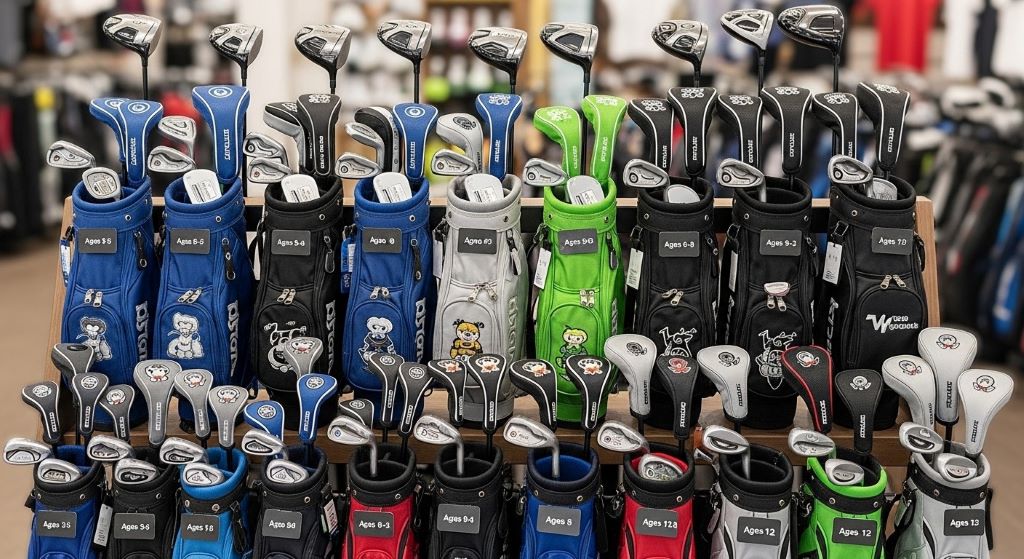
Age provides a general guideline, but height and strength matter more. A tall eight-year-old might need different clubs than a petite eleven-year-old. Most manufacturers categorize junior clubs by age ranges, yet these serve only as starting points. Visiting a pro shop for basic fitting ensures better results than guessing based solely on age.
Weight Considerations for Young Players
Club weight significantly impacts a junior golfer’s performance. Heavy clubs tire young arms quickly and encourage poor mechanics. Children compensate for excessive weight by using their whole body inefficiently, leading to inconsistent contact and potential injury.
Modern junior clubs use lightweight materials specifically designed for developing players. Graphite shafts have become the standard because they reduce overall weight while maintaining necessary flex. Steel shafts, common in adult clubs, add unnecessary heft for most juniors.
The total weight of a complete set also matters. Young golfers often carry their own bags during practice rounds. A set that’s too heavy discourages walking the course, which is an important part of learning the game. Therefore, considering both individual club weight and total set weight makes sense.
Shaft Flex and Length
Shaft flexibility affects how clubs perform during the swing. Junior shafts need more flex than adult versions because children generate less clubhead speed. The extra flex helps launch the ball higher and farther despite lower swing speeds.
Length requires careful attention as well. Clubs that are too long force awkward postures and poor balance. Meanwhile, clubs that are too short can cause excessive bending and back strain. Proper length allows a natural setup position with slight knee flex and a straight back.
Most manufacturers offer clubs in various length increments. Some sets even include adjustable features that grow with the child. These adjustable options provide good value, though they cost more initially. Alternatively, purchasing new clubs every two or three years as the child grows remains a viable approach.
Complete Sets Versus Individual Clubs
Parents often wonder whether to buy a complete set or build one club by club. Complete sets offer convenience and value for beginners. They include everything needed to start playing: driver, fairway wood, hybrid, several irons, wedge, and putter. Additionally, most come with a lightweight bag.
However, complete sets use a one-size-fits-all approach. The quality varies across different clubs in the set. Some pieces might suit your child perfectly while others fall short. Furthermore, as skills develop, certain clubs may need upgrading before others.
Building a set individually costs more but allows customization. You can prioritize the clubs your child uses most frequently. For example, many instructors recommend starting with a driver, seven iron, pitching wedge, and putter. This streamlined approach reduces decision-making on the course and builds confidence with fewer clubs.
Clubhead Design Features
Junior clubheads incorporate several design elements that aid learning. Larger clubheads create bigger sweet spots, making solid contact easier. This forgiveness helps maintain enthusiasm when strikes aren’t perfect. Moreover, the increased surface area provides visual confidence at address.
Perimeter weighting, common in game-improvement clubs, benefits junior players significantly. This design distributes weight around the clubhead edges, reducing the penalty for off-center hits. Consequently, mishits still produce reasonable results rather than embarrassing dribbles.
Loft angles in junior clubs typically run higher than adult equivalents. Higher lofts help get the ball airborne more easily. Since young players generate less power, this additional loft proves essential for achieving satisfying distance and trajectory.
Grip Size and Material
Grips might seem like a minor detail, but they significantly affect performance. Junior-specific grips feature smaller diameters suited to smaller hands. Proper grip size allows children to hold clubs correctly without straining. Oversized grips force awkward hand positions that interfere with natural wrist action.
Grip material matters too. Most junior clubs come with rubber compounds that provide adequate traction. Some premium options include softer materials that reduce vibration. While not essential, these comfort features can make practice sessions more enjoyable.
Replacing grips represents an easy upgrade as children grow. This relatively inexpensive modification extends the usable life of clubs. Therefore, don’t overlook grip condition when evaluating used equipment or hand-me-downs.
Budget Considerations and Value
Golf equipment represents a significant investment, particularly when children outgrow it quickly. Setting a realistic budget prevents overspending on gear that will last only a few seasons. However, extremely cheap options often cause more frustration than they’re worth.
The used market offers excellent opportunities for junior equipment. Many families sell barely-used sets as their children outgrow them. Online marketplaces, golf shops, and even garage sales yield quality finds at substantial savings. Inspect used clubs carefully for damage, but don’t hesitate to buy second-hand if condition permits.
New budget-friendly brands have emerged that offer surprisingly good quality. These companies focus specifically on junior golf equipment, creating affordable options without the premium brand markup. Additionally, previous-year models from major manufacturers go on sale regularly, providing another avenue for savings.
Brand Reputation and Quality
While budget matters, quality shouldn’t be ignored completely. Reputable manufacturers invest in research and development for junior lines. Their clubs incorporate features specifically designed for young players rather than simply shrinking adult versions.
Major golf brands like Callaway, TaylorMade, and Cobra produce excellent junior equipment. However, brands specializing in junior golf, such as US Kids Golf, often provide better value. These specialists understand the unique needs of developing players and price their products accordingly.
Reading reviews and seeking recommendations helps identify quality options. Other parents at your local course or driving range can share firsthand experiences. Golf professionals and teaching pros also maintain familiarity with various brands and can offer guidance based on your child’s specific needs.
When to Upgrade Equipment
Knowing when to replace clubs challenges many parents. Physical growth provides the most obvious indicator. If your child has grown two inches since purchasing their current set, reevaluation is probably due. Similarly, if clubs seem noticeably short or long, replacement time has arrived.
Skill development also signals upgrade needs. As technique improves and swing speed increases, equipment requirements change. A beginner set that worked perfectly initially may limit progress after a year of lessons and practice. Therefore, periodic assessment ensures equipment matches ability level.
Many teaching professionals recommend equipment checks every six to twelve months for active junior golfers. These evaluations don’t always result in purchases, but they ensure clubs remain appropriate. Moreover, they prevent equipment from becoming an obstacle to improvement.
Trying Before Buying
Whenever possible, have your child test clubs before purchasing. Many golf shops and pro shops offer demo programs. Some even provide rental options for trial periods. This hands-on experience reveals what works best for your individual child.
Pay attention to their comfort level and swing quality with different options. A club that produces the best results on paper might not feel right to your child. Conversely, a set that seems slightly unconventional might click perfectly with their natural motion.
Video analysis during testing provides valuable insights. Many facilities offer this service, allowing you to compare swings with different equipment. These videos highlight subtle differences in posture, balance, and contact quality that aren’t immediately obvious.
Starting a Junior Golf Club Comparison
When you begin evaluating options, create a simple comparison framework. List the essential features that matter most for your situation. This might include club length, total set weight, grip size, and price range. Having clear criteria prevents getting overwhelmed by marketing claims and unnecessary features.
Consider your child’s commitment level honestly. A beginner just trying golf needs different equipment than a dedicated player taking weekly lessons. Additionally, factor in how quickly your child typically outgrows clothing and shoes, as this predicts club replacement frequency.
Document your research process. Take notes on different sets you’ve examined, including prices and key features. This record helps when making final decisions and prevents confusion when comparing multiple options. Furthermore, these notes prove valuable when friends ask for recommendations later.
The Role of Professional Fitting
Professional club fitting isn’t just for serious adult golfers. Many facilities now offer junior fitting services. These sessions analyze swing characteristics and match them with appropriate equipment specifications. While they add cost, the benefits often justify the investment.
During a fitting, professionals measure various aspects of your child’s swing. They assess clubhead speed, attack angle, and swing path. This data guides recommendations for shaft flex, club length, and lie angle. Consequently, fitted clubs promote better contact and more consistent results.
Some facilities offer free basic fittings with equipment purchases. Others charge fees that may be applied toward buying clubs. Even a simplified fitting beats pure guesswork. Therefore, explore available options in your area before making significant purchases.
Reading a Youth Golf Gear Review
Online resources provide abundant information through various review formats. Learning to evaluate these reviews helps separate genuine insights from marketing hype. Look for reviews that discuss multiple products objectively rather than promoting single brands exclusively.
Pay attention to reviewer credentials and experience. Reviews from teaching professionals or experienced junior golf parents carry more weight than generic content. Additionally, seek reviews that acknowledge both strengths and weaknesses of products rather than offering only praise.
User reviews from other parents provide practical perspectives. These real-world experiences reveal durability issues, sizing accuracy, and customer service quality. However, remember that individual experiences vary. One negative review among dozens of positive ones shouldn’t necessarily disqualify a product.
Common Mistakes to Avoid
Many parents inadvertently make decisions that hinder rather than help their junior golfers. Buying adult clubs and cutting them down ranks among the worst choices. This approach ruins club balance and creates equipment that swings awkwardly despite seeming cost-effective.
Another mistake involves prioritizing appearance over function. Flashy designs and popular brand logos appeal to kids, but performance matters more. A less stylish set that fits properly serves your child better than cool-looking clubs that are too heavy or long.
Delaying upgrades too long also creates problems. Holding onto outgrown equipment to maximize value actually costs opportunities for improvement. Clubs that no longer fit properly reinforce bad habits and make the game unnecessarily difficult.
Building Long-Term Success
Selecting appropriate equipment represents just one element of junior golf development. However, it’s a foundational element that influences everything else. Proper clubs allow young players to experience success, which builds confidence and enthusiasm for continued participation.
Remember that golf is a lifelong game. Decisions made during these junior years shape attitudes and skills for decades to come. Therefore, investing time in thoughtful equipment selection pays dividends far beyond the initial purchase.
The goal isn’t creating the next professional tour player, though that’s possible. Rather, it’s helping your child develop a love for a sport that offers physical activity, mental challenge, and social opportunities. The right equipment facilitates this journey by removing unnecessary obstacles and letting natural ability shine through.
Conclusion
Choosing golf clubs for junior players requires balancing multiple factors. Proper fit trumps brand names and fancy features. Weight, length, and shaft flex all significantly impact a young golfer’s experience and development. While budget considerations matter, quality equipment that matches your child’s current size and skill level proves worth the investment.
Whether you opt for complete sets or build gradually with individual clubs, prioritize functionality over appearance. Take advantage of fitting opportunities when available, and don’t hesitate to explore the used market for value. Regular reassessment ensures equipment grows with your child rather than holding them back.
By understanding what makes junior golf equipment effective, you can make informed decisions that support your child’s enjoyment and improvement. The time spent researching and comparing options creates a foundation for positive experiences on the course and potentially a lifetime appreciation for the game.
Frequently Asked Questions
What age should a child start using real golf clubs instead of toy sets?
Most children can transition to proper junior clubs around age five or six, depending on their interest and physical development. Look for signs of genuine enthusiasm and the ability to follow basic instructions. Real clubs designed for juniors provide better learning experiences than toy sets, as they allow proper technique development from the start.
How often should junior golf clubs be replaced as children grow?
Active junior golfers typically need new clubs every two to three years during growth spurts. However, this varies by individual growth patterns and usage frequency. Schedule equipment checks every six months to ensure clubs remain appropriate. Some adjustable sets can extend usable periods, though eventually, complete replacement becomes necessary.
Are expensive junior golf clubs worth the investment?
Premium junior clubs offer quality construction and better materials, but expensive doesn’t always mean better for your situation. Mid-range options from reputable brands usually provide excellent value. Consider your child’s commitment level and growth rate when deciding how much to spend. A moderately priced, properly fitted set outperforms expensive ill-fitting clubs.
Can girls use boys’ junior golf clubs, or do they need specific equipment?
Most junior golf clubs are designed unisex, and gender-specific options are largely marketing. Focus on proper fit based on height, strength, and swing speed rather than gender labels. Some manufacturers offer clubs in different color schemes, but the functional specifications matter most. Girls and boys with similar physical characteristics can use identical equipment successfully.
Should beginners start with a full set or just a few clubs?
Beginning junior golfers often benefit from starting with fewer clubs to reduce decision-making complexity. A basic set might include a driver, seven iron, pitching wedge, and putter. This simplified approach builds confidence and allows focus on fundamental skills. As ability improves and understanding grows, additional clubs can be added gradually to create a complete set.
Related Topics:
How Hitters Adjust to Big League Cutter Movement
Why the Meketec 22-Inch Skateboard is Ideal for New Skaters