
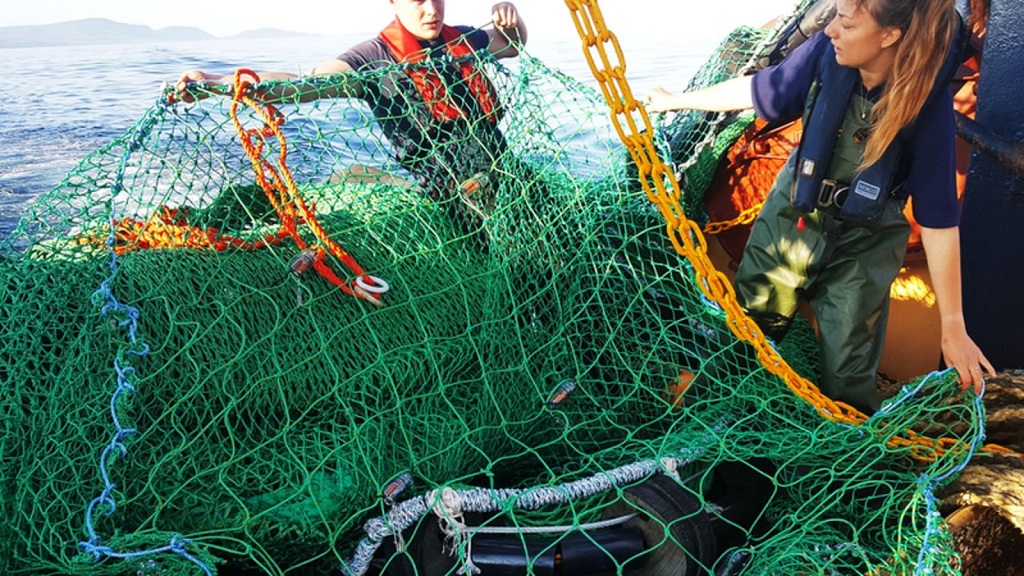
25 Jun Extend the Life of Your Fishing Net: Cleaning and Storage Tips Every Angler Must Know
Your fishing net is more than just gear—it’s your underwater hand. Whether you’re chasing bass in freshwater lakes or hauling in red snapper from the open sea, a reliable net makes the difference between success and struggle. Yet, many anglers unknowingly shorten the lifespan of their nets with poor care. The good news? With a few simple habits, you can extend the life of your fishing net significantly.
Why Proper Net Maintenance Matters
A neglected net doesn’t just wear out—it becomes a liability. Dirty, tangled, or rotting nets can break during use, harming both your catch and your wallet. According to the American Sportfishing Association, the average recreational angler spends over $1,400 annually on gear. Replacing a worn-out net prematurely is an unnecessary cost that proper care can prevent.
Saltwater corrosion, sun exposure, and mold growth are common culprits that quietly degrade your net. Worse, once damage starts, it spreads quickly—compromising the net’s integrity and effectiveness. Proper cleaning and storage are the frontline defenses against these threats.
Clean Like a Pro: Step-by-Step Net Cleaning Tips

Cleaning your net is about more than just rinsing. It’s a process that removes harmful residues and extends its working life.
-
Rinse Immediately After Use
After each outing, rinse your net thoroughly with fresh water. Salt, algae, and debris cling to fibers, accelerating decay. According to Field & Stream, salt crystals are particularly abrasive and can weaken synthetic materials like nylon over time.
-
Use Mild Detergents for Deep Cleans
Every few trips, give your net a deeper wash using a mild soap or specialized gear cleaner. Avoid harsh chemicals—these can damage mesh integrity. Let it soak for 15-20 minutes, then scrub lightly with a soft-bristle brush.
-
Avoid Pressure Washers
High-pressure water may seem like a fast fix, but it can actually fray net fibers. Manual scrubbing allows more control and preserves mesh shape and strength.
-
Inspect for Damage
While cleaning, check for tears, frays, or knots. Repairing small holes early prevents them from becoming massive rips during your next fishing trip. Carry a basic repair kit with nylon thread and mesh patches for on-the-go fixes.
Storage That Saves
Proper storage is just as critical as cleaning. Improperly stored nets invite mildew, rodents, and UV degradation.
-
Dry It Thoroughly
Never store a damp net. Moisture breeds mold, mildew, and bacteria. Hang your net in a shaded, well-ventilated area until it’s completely dry. Direct sunlight, especially during peak hours, can weaken fibers.
-
Choose a Cool, Dry Place
Store your net in a cool, dry environment away from direct sunlight and fluctuating humidity. Garages, sheds, or closets with stable temperature are ideal.
-
Avoid Tight Folds
Tightly folding your net for long-term storage can lead to permanent creases and weakened joints. Loosely coil it instead, allowing it to breathe.
-
Use a Breathable Bag
Opt for a mesh or cotton bag for storage—not plastic. Plastic bags trap moisture, leading to mildew and odor buildup.
-
Add Silica Gel or Charcoal Packs
Silica gel packets or activated charcoal help absorb any remaining moisture in the bag and reduce odor.
The Environmental Angle
Extending your net’s life isn’t just good for your wallet—it’s good for the planet. Every net that ends up in a landfill adds to the over 640,000 tons of fishing gear lost or discarded annually, according to the World Wildlife Fund. Proper care reduces waste and lessens the demand for new materials.
Furthermore, broken nets often become marine debris. These “ghost nets” continue to trap and kill marine life, disrupting ecosystems. By maintaining your gear, you’re also helping protect aquatic environments.
Real-World Results
Pro anglers and charter boat captains swear by meticulous net care. Captain Jake Morgan from Florida Keys says, “We wash and dry every net after each trip. It’s the only way we can guarantee it lasts the whole season.” His nets last up to five years—double the average lifespan of neglected ones.
Anecdotes aside, manufacturers like Frabill and EGO recommend routine maintenance as a standard practice. They even include cleaning instructions in their product manuals because longevity equals customer satisfaction.
Prevent Common Mistakes
Even experienced anglers make avoidable mistakes:
- Leaving nets in boat hatches: Trapped moisture can rot the mesh quickly.
- Using nets for unintended purposes: Don’t scoop rocks, logs, or use them as temporary storage bags.
- Ignoring knot buildup: Nets used in weedy areas often retain tangled plant matter, which hardens as it dries. Always remove debris post-trip.
Investing in Quality Pays Off
While maintenance matters, starting with a high-quality net gives you a head start. Look for UV-resistant coatings, knotless mesh, and rubberized materials that resist slime and hooks. Cheaper nets might save money upfront, but they rarely hold up to repeated use—even with perfect care.
Read More Also: Best Under Desk Elliptical Machines: Our Top Picks
Most Frequently Asked Questions (FAQs)
How often should I clean my fishing net?
Rinse after every trip and deep clean every few outings, especially in saltwater environments.
Can I wash my net in a washing machine?
No. Washing machines can damage the net’s fibers. Always wash manually using a mild detergent.
What’s the best way to dry a net?
Hang it in a shaded, breezy area. Avoid direct sunlight for prolonged periods to prevent UV damage.
Should I use bleach to clean mold off my net?
Avoid bleach. Use white vinegar or a mild disinfectant diluted with water instead.
How long should a good-quality net last with proper care?
With regular maintenance, high-quality nets can last 4–6 years, even with frequent use.
Is it okay to store a net in my boat?
Only if it’s dry and stored in a breathable bag. Otherwise, bring it indoors to avoid moisture buildup.
What’s the best type of storage bag for fishing nets?
Use mesh or breathable fabric bags. Avoid airtight containers and plastic bags to prevent mildew.
Read More Also: Currency Wars and Their Impact on International Investing
Final Thought
Your fishing net is a vital tool—treat it as such. Whether you’re a weekend warrior or a seasoned pro, a clean and properly stored net saves you time, money, and frustration. The tips covered here aren’t just common sense; they’re backed by experience, industry advice, and environmental logic.
The next time you haul in that trophy catch, you’ll be glad your net was in peak condition. So don’t wait—start applying these extend the life of your fishing net: cleaning and storage tips today and reap the rewards tomorrow.