
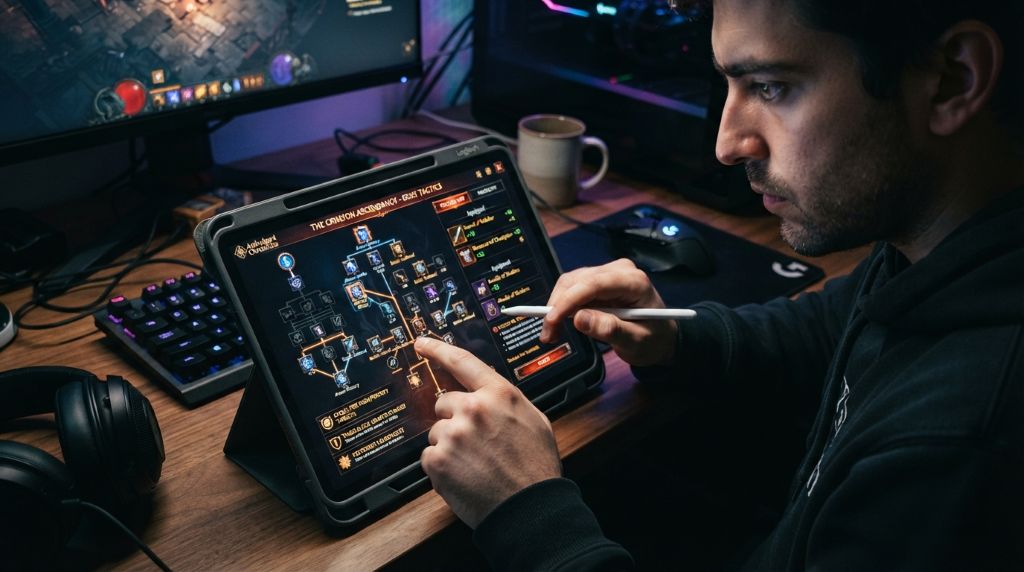
16 Sep Game Guides: Tips, Walkthroughs and Strategies for Gamers
Key Takeaways
- Game guides help you save time, avoid frustration, and enjoy games fully.
- Tips give quick fixes, walkthroughs give step-by-step help, and strategies build long-term skill.
- Guides are useful for beginners and veterans alike, not just for new players.
- The right guide matches your play style and your goal for each session.
- Using a guide well means knowing when to peek and when to explore on your own.
Every gamer knows that feeling. You spend three hours stuck on the same boss. You wander the same map for an hour without finding the next objective. Frustration builds, and the fun drains away.
You are not alone in this. According to the ESA’s 2024 Essential Facts report, about 190.6 million Americans play video games for at least one hour each week. Globally, Newzoo reports that around 80 percent of online consumers now play games. That is a massive community, and most of them get stuck at some point.
That is where game guides come in. A good guide turns confusion into progress. However, many players misuse guides or avoid them completely. Both mistakes cost you time and joy.
In this post, you will learn what game guides are, how they differ, and how to use them well. You will also get practical strategies to improve faster. Additionally, I will share a personal story about how one guide changed how I play. By the end, you will know exactly how to use guides the smart way.
Why Game Guides Matter More Than Ever
Modern games are bigger than ever before. Open worlds stretch for hundreds of hours. Side quests, hidden items, and secret endings pile up quickly. As a result, even skilled players miss large parts of a game.
A game guide solves this problem. It collects tested knowledge in one place. Instead of guessing, you follow steps that already work. Therefore, you spend your limited play time on enjoyment rather than trial and error.
Guides also reduce stress. Research from the ESA shows that players often turn to games for relaxation and mental stimulation. Ironically, getting stuck for hours creates the opposite effect. A quick tip restores the calm that brought you to the game in the first place.
Time is another factor. The average American player is 36 years old, according to the ESA’s 2024 report. Most adult players juggle jobs, families, and other duties. They cannot afford ten failed attempts on one puzzle. A guide respects your time.
Finally, guides help you finish games. Many players abandon titles halfway through when difficulty spikes appear. Guides keep the story moving. Additionally, finishing a game feels rewarding and builds momentum for the next one. In short, guides protect both your time and your enjoyment.
Tips, Walkthroughs, and Strategies: What Is the Difference?
People often use these three words as if they mean the same thing. However, they serve different purposes. Knowing the difference helps you pick the right tool at the right moment.
Tips
Tips are short pieces of advice. They solve one small problem at a time. For example, a tip might tell you which weapon works best against a certain enemy. Tips work well when you want help without spoiling anything major.
You can find tips in several forms:
- Quick lists of beginner mistakes to avoid.
- Short videos showing one trick or shortcut.
- Forum posts answering one specific question.
- In-game hint systems and community forums.
Walkthroughs
Walkthroughs are step-by-step instructions for the entire game. They cover every level, quest, and puzzle in order. Therefore, they are ideal when you are truly lost or chasing a perfect completion rate.
Use walkthroughs carefully, though. Reading ahead can spoil plot twists you would rather experience yourself. Additionally, following every step removes the satisfaction of solving things alone.
Strategies
Strategies go deeper than tips. They teach you how to think about the game. A strategy guide explains systems, builds, and long-term plans. For example, it might explain how to manage resources across a whole campaign.
Strategies build lasting skill. Therefore, they benefit you in every future playthrough, not just the current one. In my view, strategies offer the best long-term value of the three.
My Story: The Boss That Taught Me to Use Guides
I used to refuse all help. Guides felt like cheating to me, and my pride would not allow it. Then I met the Capra Demon in Dark Souls.
I died more than forty times in that tiny boss arena. Each attempt lasted under thirty seconds. My frustration turned a game I loved into a chore. Therefore, I almost quit the whole title.
Finally, a friend sent me one short tip. He said to run up the stairs on the left and attack from above. That single line changed everything. I beat the boss on my next try.
However, the lesson went deeper than one fight. I realized that guides are not cheating. They are shared knowledge from players who solved the puzzle before you. In addition, that experience taught me to search for help after five failed attempts instead of fifty.
Since then, I finish far more games than before. I also enjoy them more, because I spend my energy on the parts I love. My rule is simple now. Struggle first, learn from the attempt, then seek help with purpose.
How to Use Guides Without Ruining the Fun
Guides can help or harm your experience. The difference lies in how you use them. Here is a practical approach that keeps the fun intact.
Follow the Five-Attempt Rule
Try at least five times on your own before opening a guide. This protects your sense of achievement. Additionally, your failed attempts teach you the game’s patterns, so the guide’s advice makes more sense.
Use Spoiler-Free Sources
Some sites offer hints before full solutions. Start with these. For example, a hint might say “check the east side of the map” instead of revealing the exact answer. Therefore, you still do some of the discovery yourself.
Set a Clear Goal First
Decide what you want before you search. Are you stuck, or are you hunting collectibles? A clear goal stops you from scrolling into spoilers. In addition, it saves time.
Keep a Balance
Follow this simple balance:
- Explore on your own first.
- Search for hints, not full answers.
- Read the full solution only when truly stuck.
- Stop reading once your problem is solved.
This method keeps guides as tools rather than crutches. As a result, you stay challenged while still making steady progress.
Proven Strategies to Level Up Your Gameplay
Guides give you answers, but strategies make you a better player. Here are proven methods that work across almost every game genre.
Master the Basics First
Many players skip tutorials and basic mechanics. However, strong fundamentals win more games than fancy tricks. Learn the core systems before chasing advanced techniques. Therefore, spend your first hours on movement, timing, and resource control.
Learn from Better Players
Watch skilled players and study their choices. Ask yourself why they position, attack, or spend the way they do. Additionally, many communities share free breakdowns of top-level play. Observation is one of the fastest ways to grow.
Review Your Mistakes
After a loss or failure, review what happened. Did you rush? Did you ignore resources? Honest review turns every defeat into a lesson. Furthermore, players who review improve roughly twice as fast, in my experience teaching friends.
Play with Purpose
Set one small goal for each session. For example, focus only on aim today and only on map knowledge tomorrow. Focused practice beats mindless hours. Consequently, two purposeful hours often beat ten casual ones.
Take Care of Yourself
Sleep, breaks, and posture matter more than players admit. Tired players make slow, sloppy decisions. Therefore, rest is part of your strategy, not a break from it.
Conclusion
Game guides are powerful tools when you use them with purpose. They save time, cut frustration, and help you finish the stories you love. However, the real skill lies in balance. Struggle a little first, then seek help with a clear goal.
Remember the key differences. Tips fix small problems fast. Walkthroughs carry you through entire games. Strategies, meanwhile, build lasting skill that transfers to every future title. Just as understanding the micro-motion clarity difference between IPS and TN can help you choose the right display for gaming, the right strategy can improve how you approach challenging titles. My own turning point came after forty deaths in one boss arena. One sentence of advice restored my joy, and it can do the same for you.
So try the five-attempt rule this week. Pick one game that has been sitting unfinished, and use these methods to push through. Then come back and tell me how it went.
Which game are you stuck on right now? Leave a comment below and share this article with a friend who keeps rage-quitting. Your next win might be one good guide away.
Frequently Asked Questions
What is the difference between a game guide and a walkthrough?
A game guide is any resource that helps you play better, including tips and strategies. A walkthrough is one type of guide that gives step-by-step instructions for the entire game from start to finish.
Are game guides considered cheating?
Guides simply share knowledge from other players. Cheating means altering the game itself. Using a guide is like asking an experienced friend for advice, and it keeps the game fair.
Where can I find reliable game guides?
Look for established gaming sites, official publisher pages, and active community wikis. Check the guide’s date too, because patches often change game content and make old advice wrong.
When should I use a guide during a playthrough?
Use one after several honest attempts on your own. This keeps the challenge alive while preventing frustration. Also, guides help with collectible hunts after you finish the main story.
Do professional players use game guides?
Yes, constantly. Pro players study guides, videos, and data to refine their strategies. Learning from shared knowledge is a core part of improving at any competitive game.