
17 Mar How to Choose a Pillow That Supports Proper Spinal Alignment
Sleep quality depends heavily on proper support for your neck and spine. Many people wake up with pain, stiffness, or headaches without realizing their pillow is the culprit. The right pillow maintains your spine’s natural curve throughout the night. This allows muscles to relax and promotes restorative sleep.
Your pillow plays a crucial role in maintaining healthy posture while you rest. During sleep, your body repairs itself and recovers from daily stress. However, poor pillow support can counteract these healing processes. Understanding how to select appropriate neck support helps prevent chronic pain and improves overall health.
Understanding Spinal Alignment and Sleep Position
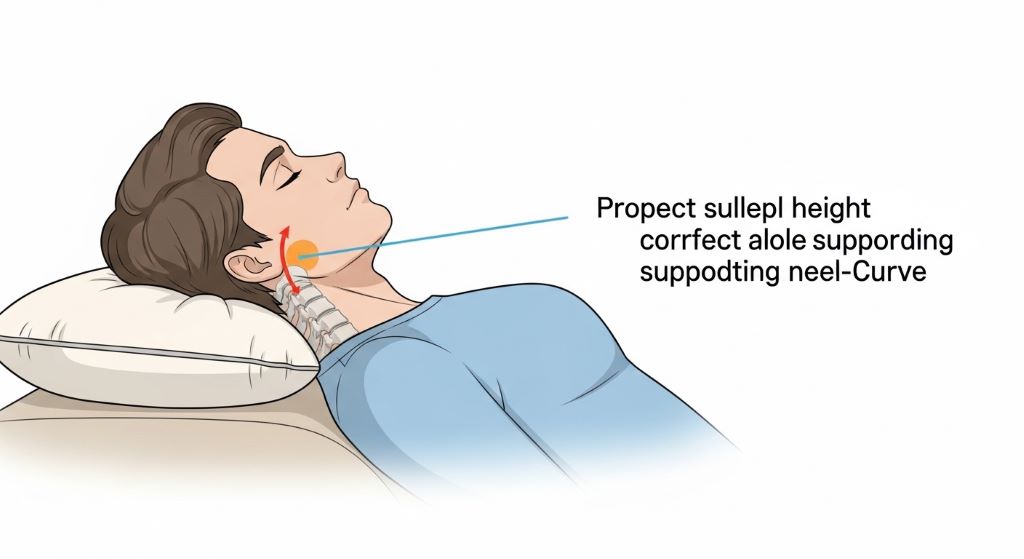
Your spine has three natural curves that need support around the clock. The cervical spine in your neck curves slightly forward. The thoracic spine in your upper back curves gently backward. Finally, the lumbar spine in your lower back curves forward again. Maintaining these curves during sleep is essential for spinal health.
When you lie down, your pillow should keep your head aligned with your spine. This means your neck shouldn’t bend too far forward or backward. Additionally, it shouldn’t tilt to either side. Proper alignment keeps your airways open and reduces strain on muscles and joints.
Different sleep positions require different support levels. Back sleepers need thinner pillows that don’t push their heads too far forward. Side sleepers require thicker pillows to fill the space between their shoulder and head. Stomach sleepers benefit from very thin pillows or no pillow at all under their heads. Understanding your primary sleep position is the first step in choosing correctly.
Your body weight and shoulder width also affect pillow needs. Heavier individuals often need firmer support to prevent excessive sinking. Those with broader shoulders require thicker pillows when sleeping on their sides. Conversely, lighter people and those with narrow shoulders need less height and softer materials. These physical factors significantly influence comfort and alignment.
Common Sleep Problems Caused by Poor Pillow Support
Inadequate pillow support creates numerous health issues over time. Recognizing these problems helps you understand the importance of proper selection. Many chronic conditions improve dramatically when people switch to appropriate pillows.
Neck pain ranks among the most common complaints from poor pillow choices. When your neck bends unnaturally for hours, muscles strain to maintain position. This causes stiffness, soreness, and reduced mobility. Moreover, chronic neck strain can lead to headaches and shoulder pain. The discomfort often persists throughout the day.
Headaches frequently stem from neck tension during sleep. Tension headaches feel like tight bands around your head. They typically start at the base of your skull and spread forward. Furthermore, poor alignment can trigger migraines in susceptible individuals. Addressing pillow support often reduces headache frequency significantly.
Shoulder pain develops when pillows fail to provide adequate height for side sleepers. Your shoulder compresses uncomfortably, restricting blood flow and causing numbness. Additionally, your spine curves sideways instead of staying straight. This misalignment stresses muscles along your entire back. Proper pillow thickness eliminates this problem entirely.
Snoring and sleep apnea worsen with incorrect head positioning. When your head tilts backward excessively, airways narrow. This creates resistance to airflow and produces snoring sounds. Therefore, finding a pillow that maintains proper head position can reduce snoring. Some people even experience fewer apnea episodes with better support.
Fatigue and poor sleep quality result from constant position adjustments. When your pillow doesn’t provide comfort, you unconsciously shift throughout the night. These movements disrupt sleep cycles and prevent deep rest. Consequently, you wake feeling unrested despite adequate sleep duration. Quality support helps you maintain positions longer and sleep more soundly.
Key Features to Look for in Sleep Support Pillows
Several critical characteristics distinguish supportive pillows from inadequate ones. Understanding these features guides your selection process effectively. Prioritize these elements when shopping for your next pillow.
Loft refers to pillow height and significantly impacts alignment. Low loft pillows measure two to three inches thick. Medium loft pillows range from three to five inches. High loft pillows exceed five inches in thickness. Your sleep position determines ideal loft. Side sleepers generally need high loft, back sleepers prefer medium, and stomach sleepers require low loft options.
Firmness levels vary widely among pillow types. Soft pillows compress easily under head weight. Medium firmness provides moderate resistance. Firm pillows maintain their shape with minimal compression. Additionally, some pillows offer adjustable firmness through removable filling. Testing different firmness levels helps identify your preference.
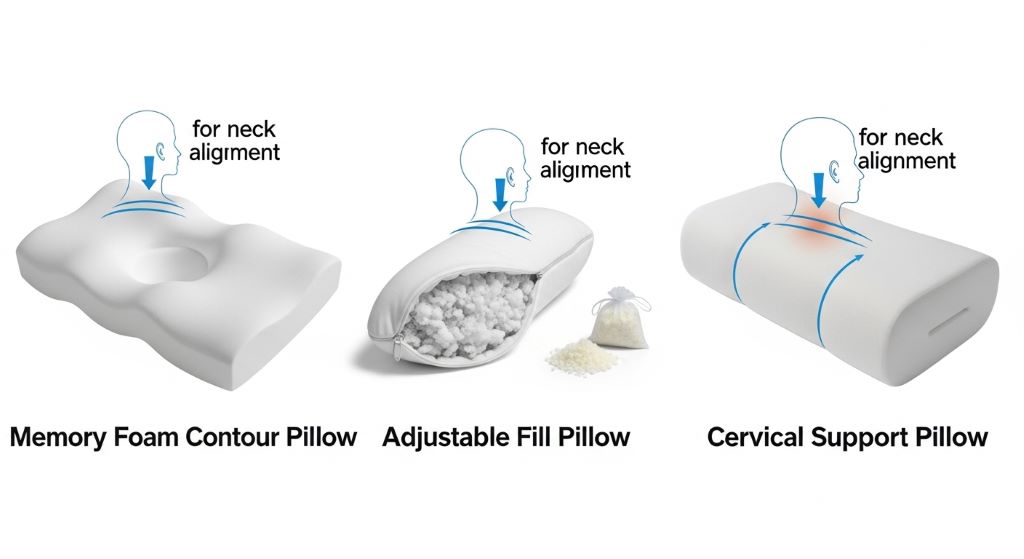
Material composition affects both support and comfort. Memory foam conforms to head and neck contours while providing consistent support. Latex offers responsive support with natural bounce. Down and feather provide soft, moldable comfort. Polyester fill creates affordable, hypoallergenic options. Each material has distinct advantages worth considering.
Contouring capability helps pillows adapt to your unique shape. Pillows with cervical contours feature raised edges and a depression for your head. This design cradles your neck while supporting your skull. However, standard rectangular pillows work well when filled with responsive materials. The best choice depends on personal preference and specific needs.
Temperature regulation prevents overheating during sleep. Some materials trap heat, causing discomfort and sweating. Cooling technologies include gel infusions, breathable covers, and ventilated designs. Furthermore, natural materials like latex and buckwheat naturally dissipate heat better than solid foam. Consider your tendency to sleep hot when selecting materials.
Adjustability allows customization as needs change. Some pillows let you add or remove filling to modify height. Others offer reversible firmness with different materials on each side. Additionally, certain designs include inserts for personalized contouring. Adjustable options provide excellent value for uncertain buyers or those with changing needs.
Matching Pillow Types to Your Sleep Style
Your predominant sleeping position should guide pillow selection. Most people favor one position but shift throughout the night. Choose primarily for your main position, then ensure the pillow works reasonably well for secondary positions.
Back sleepers maintain best alignment with medium loft pillows. Your head should rest at a slight angle, keeping your chin slightly lower than your forehead. The pillow should fill the space beneath your neck without pushing your head too far forward. Memory foam and latex work excellently for this position. Additionally, cervical contour designs provide exceptional neck support for back sleepers.
Side sleepers require the most substantial support due to shoulder width. Your pillow must fill the entire gap between your mattress and head. This keeps your spine perfectly straight when viewed from the front. Firm, high loft pillows work best for this position. Furthermore, broader-shouldered individuals need even thicker options. An orthopedic pillow specifically designed for side sleeping often provides ideal support.
Stomach sleepers face unique challenges with spinal alignment. This position inherently stresses the neck and lower back. A very thin, soft pillow minimizes neck rotation. Alternatively, placing a pillow under your pelvis helps maintain lower back alignment. However, transitioning to side or back sleeping provides better long-term spinal health. If you must sleep on your stomach, minimize pillow height as much as possible.
Combination sleepers need versatile pillows that work across positions. Adjustable fill pillows excel for position changers. You can modify height for different positions as needed. Additionally, medium firmness and loft provide reasonable support across positions. Shredded memory foam offers excellent versatility through its moldable nature.
Specialty sleepers with specific conditions require targeted solutions. Pregnant women benefit from full body pillows that support multiple areas simultaneously. People with acid reflux need elevated head positions. Those recovering from injuries might need specific contouring. Consult healthcare providers for recommendations addressing particular medical needs.
Materials and Their Impact on Spine Support
Pillow materials determine support characteristics and longevity. Each material type offers unique benefits and potential drawbacks. Understanding these differences helps you make informed decisions.
Memory foam provides consistent, contouring support throughout the night. It responds to heat and pressure, molding to your exact shape. This creates customized support for your unique curves. However, traditional memory foam retains heat, potentially causing discomfort. Gel-infused and open-cell varieties address this limitation. Additionally, memory foam pillows typically last longer than traditional fill materials.
Latex offers responsive support with natural elasticity. It springs back quickly when you move, facilitating position changes. Natural latex resists dust mites and mold naturally. Furthermore, it sleeps cooler than memory foam. Latex pillows come in solid and shredded forms. Solid latex provides consistent support, while shredded latex offers adjustability.
Down and feather create luxuriously soft, traditional comfort. These natural materials mold easily to your preferred shape. However, they provide less structural support than foam options. Down pillows require regular fluffing to maintain loft. Additionally, they may trigger allergies in sensitive individuals. Quality down pillows can last many years with proper care.
Polyester fill offers affordable, hypoallergenic comfort. These synthetic fibers mimic down’s soft feel. They resist allergens and wash easily. However, polyester typically provides less support than other materials. It also compresses faster, requiring more frequent replacement. Despite limitations, polyester works well for budget-conscious shoppers.
Buckwheat hulls create firm, adjustable support with excellent airflow. These natural hulls shift to conform to your shape. You can add or remove hulls to adjust height precisely. Moreover, air flows freely between hulls, keeping you cool. The hulls produce rustling sounds when you move, which some find distracting. Others appreciate the gentle white noise.
Water and air pillows allow precise customization. You control firmness by adjusting fill levels. These pillows adapt as your needs change. However, they require more maintenance than standard options. Additionally, water pillows can be heavy and potentially leak. Air pillows may develop leaks in valve systems over time.
Testing and Evaluating Pillow Support
Trying pillows before purchasing ensures satisfaction. However, in-store testing differs from overnight use. Use these techniques to evaluate potential pillows effectively.
In-store testing should simulate actual sleep positions. Lie down in your primary sleep position if the store provides demonstration beds. Spend several minutes in position, not just seconds. Additionally, pay attention to immediate comfort and pressure points. Your neck should feel supported without strain. However, remember that brief testing cannot fully replicate overnight use.
Trial periods offer the best evaluation method. Many retailers and manufacturers provide 30 to 100-night trials. This allows thorough testing in your own bed. Take advantage of these policies whenever possible. Furthermore, keep original packaging until you confirm satisfaction. Most return policies require original packaging for refunds.
Assessment criteria help determine proper fit. Your head should align with your spine when lying down. Ask someone to photograph your position from the side and front. Check for any visible curves or tilts in your neck. Additionally, notice whether you need to adjust position frequently. Constant repositioning indicates inadequate support.
Morning feedback provides crucial information. Wake up and immediately assess how your neck feels. Stiffness or soreness suggests improper support. However, some adjustment period is normal with new pillows. Give new pillows at least a week before making final judgments. Your muscles need time to adapt to different support.
Partner observation offers valuable insights. Ask your partner to observe your sleep position. They can identify snoring, breathing difficulties, or excessive movement. Additionally, they notice if you maintain positions or shift constantly. This external perspective reveals issues you cannot observe yourself.
Maintaining Your Pillow for Optimal Performance
Proper care extends pillow lifespan and maintains support quality. Regular maintenance keeps your pillow fresh and functional. Follow these guidelines for different pillow types.
Cleaning frequency depends on pillow type and usage. Pillowcases should be washed weekly to prevent oil and bacteria buildup. Pillow protectors add an extra barrier and extend cleaning intervals. Most pillows benefit from washing every three to six months. However, always check manufacturer instructions before washing. Some materials require professional cleaning only.
Washing techniques vary by material composition. Memory foam and latex pillows typically cannot be machine washed. Spot clean these with mild detergent and air dry thoroughly. Down and polyester pillows usually tolerate machine washing on gentle cycles. Use low heat for drying and add tennis balls to restore loft. Additionally, ensure pillows dry completely to prevent mold growth.
Fluffing maintains loft and prevents material compaction. Daily fluffing redistributes fill materials evenly. Shake and knead pillows to break up clumped filling. Furthermore, rotate pillows regularly to distribute wear. These simple actions significantly extend pillow life.
Storage considerations matter when not in use. Store pillows in breathable bags, never plastic. Plastic traps moisture and promotes mildew. Additionally, keep pillows in cool, dry locations. Avoid damp basements or hot attics. Proper storage maintains pillow quality between uses.
Replacement timing ensures continued proper support. Most pillows need replacement every one to two years. However, quality foam and latex pillows may last three to four years. Replace pillows showing visible sagging, lumping, or permanent indentations. Additionally, replace pillows that no longer relieve morning stiffness. Your health is worth the investment in fresh support.
Investment Considerations and Budget Planning
Pillow prices vary dramatically based on materials and features. Understanding value helps you budget appropriately. Quality sleep support represents a worthwhile health investment.
Price ranges reflect material costs and manufacturing quality. Budget pillows cost between ten and thirty dollars. These typically use polyester fill or basic foam. Mid-range options run thirty to one hundred dollars. These often feature better materials like quality memory foam or down. Premium pillows exceed one hundred dollars and include advanced features. A posture pillow with specialized design often falls in the premium category.
Cost-per-night calculations reveal true value. A seventy-dollar pillow lasting two years costs about ten cents per night. A twenty-dollar pillow lasting six months costs eleven cents per night. Therefore, higher initial investment often provides better long-term value. Additionally, better sleep quality has immeasurable health benefits. Consider total value, not just upfront cost.
Budget allocation should prioritize sleep quality. Most sleep experts recommend investing in pillows and mattresses over other bedroom furnishings. Quality sleep support affects daily energy, health, and mood. Furthermore, preventing pain saves money on medical treatments. Allocate your bedroom budget accordingly.
Sales and discounts make quality more affordable. Watch for seasonal sales on bedding products. Many retailers offer significant discounts during holiday weekends. Additionally, sign up for manufacturer newsletters announcing special promotions. However, never compromise support needs solely for savings. The right pillow at full price beats the wrong pillow on sale.
Warranty coverage protects your investment. Quality pillows typically include warranties from one to five years. These cover manufacturing defects and premature breakdown. Additionally, some warranties offer replacement guarantees. Review warranty terms before purchasing. Strong warranties indicate manufacturer confidence in product quality.
Conclusion
Selecting the right pillow profoundly impacts sleep quality and spinal health. Proper support maintains your spine’s natural alignment throughout the night. This prevents pain, improves breathing, and promotes deeper rest. Understanding your sleep position, body type, and specific needs guides effective selection.
Key features include appropriate loft, firmness, and material composition. Back sleepers need medium support, while side sleepers require higher loft. Stomach sleeping demands minimal height to reduce strain. Additionally, materials like memory foam, latex, and down each offer distinct advantages. Testing pillows when possible ensures proper fit before commitment.
Regular maintenance extends pillow life and preserves support quality. Proper cleaning, fluffing, and storage keep pillows fresh and functional. However, even well-maintained pillows require eventual replacement. Investing in quality sleep support pays dividends through improved health and daily energy.
Your pillow choice represents an investment in long-term wellness. Quality support prevents chronic pain and medical expenses. Moreover, better sleep enhances mood, productivity, and overall life quality. Take time to research options and test different types. The perfect pillow awaits, ready to transform your sleep and health.
Frequently Asked Questions
How do I know if my current pillow is causing alignment problems?
Wake up and notice how your neck feels each morning. Persistent stiffness, soreness, or headaches often indicate poor support. Additionally, if you constantly adjust your pillow during the night or wake frequently, your pillow likely doesn’t provide adequate support. Take a photo of yourself lying in bed to visually check if your head aligns with your spine. If you see obvious curves or tilts, you need better support.
Can the wrong pillow cause long-term health problems?
Yes, chronic poor alignment can lead to lasting issues. Persistent neck strain may develop into chronic pain conditions. Additionally, compressed nerves can cause numbness and tingling in arms and hands. Poor sleep quality from inadequate support weakens your immune system and increases stress. Furthermore, ongoing breathing restriction may worsen sleep apnea. Addressing pillow support prevents these cumulative health problems.
How long should I try a new pillow before deciding if it works?
Give new pillows at least one to two weeks for proper evaluation. Your neck muscles need time to adjust to different support patterns. However, severe discomfort or pain should not be ignored. If a pillow causes immediate, significant pain, discontinue use. For minor adjustment sensations, allow your body adaptation time. Most quality pillows include trial periods of 30 nights or more for thorough testing.
Do I need different pillows for different seasons?
Most people do not require seasonal pillow changes. However, temperature-sensitive sleepers might benefit from seasonal rotation. Use cooling pillows with gel or breathable materials during hot months. Switch to warmer materials like down during winter if you sleep cold. Additionally, adjustable pillows let you modify loft as bedding thickness changes seasonally. This maintains consistent alignment year-round.
Are expensive orthopedic pillows always better than budget options?
Not necessarily, though price often reflects quality materials and construction. Expensive pillows typically last longer and provide more consistent support. However, some budget options work well for specific needs. The best pillow matches your individual requirements regardless of price. Focus on features like proper loft, appropriate firmness, and suitable materials for your sleep style. Trial periods matter more than price tags when determining what works best.
Related Topics:
Postpartum Nursing Pillows: Comfort and Support
MVMI Pillow for Pregnant Women Comfort