
21 Sep The Future of Careers: AI, Digital Skills, and New Professional Opportunities
Key Takeaways
- About 39 percent of core job skills will change by 2030.
- Smart tools will assist most workers, not fully replace them.
- Digital skills are now as basic as reading and writing.
- Hybrid careers that blend human and technical strengths pay best.
- Small weekly learning habits protect your career better than big leaps.
Think back to 1995. Accountants used paper ledgers, and secretaries typed letters by hand. Nobody imagined jobs like app developer, social media manager, or data analyst. Yet those careers now employ millions of people worldwide. A similar shift is happening again, and it is moving faster. According to the World Economic Forum Future of Jobs Report, 39 percent of core job skills will change by 2030. Additionally, technology and other trends will create around 170 million new jobs. However, as industry experts at https://businessesautomated.com/ warn, 92 million roles will disappear. Therefore, the workers who adapt will find more opportunity than ever before.
The key is preparation, not panic. Smart software will change how we work, but human skills will decide who leads. This article explains the changes ahead, the skills that matter most, and the new careers emerging right now. You will also find a real story that shows what is possible at any age.
How Smart Technology Is Reshaping Career Paths
First, let us understand what is actually changing. Smart technology refers to software that learns from data and handles tasks that once required human effort. It drafts emails, answers customer questions, and sorts through sales numbers in seconds.
The International Monetary Fund studied this shift closely. According to its global analysis on AI and work, almost 40 percent of jobs worldwide are exposed to smart technology. In advanced economies, that number rises to 60 percent. However, exposure does not mean elimination. The IMF notes that roughly half of affected workers may actually benefit, because technology helps them perform their jobs better.
Here is what this looks like in daily work:
- Report writing takes minutes instead of full days.
- Customer inquiries get answered instantly at any hour.
- Scheduling, invoicing, and filing happen automatically.
- Managers spend more time on decisions and less on paperwork.
Therefore, the real story is task replacement, not job replacement. Consider a paralegal. Software now scans contracts in seconds. However, the paralegal still advises clients, manages cases, and makes judgment calls. Her work shifts toward higher-value activities.
The danger sits in the middle ground. Workers who ignore these tools may fall behind colleagues who use them well. Meanwhile, workers who combine deep experience with smart tools become far more valuable. The lesson is clear. Adapt early, and technology becomes your assistant instead of your rival.
The Digital Skills Employers Value Most
So which skills should you actually build? Employers have answered this question clearly. The World Economic Forum report lists analytical thinking, digital literacy, and creative thinking as the fastest-growing skill needs. Additionally, 86 percent of employers expect technology to reshape their business by 2030.
Importantly, the most valuable skills are not highly technical. You do not need to become a programmer. Instead, employers want people who use digital tools confidently and think critically about results. Consider this practical skill stack:
- Data basics: Reading charts, spotting trends, and asking good questions.
- Digital communication: Writing clear emails, messages, and video presentations.
- Tool fluency: Using smart assistants and software to speed up routine work.
- Online safety: Protecting passwords, customer data, and company information.
- Digital marketing: Understanding how customers find and buy online.
Notice that each skill builds on human strengths. Data basics work best when paired with curiosity. Digital communication works best when paired with empathy. Therefore, your experience becomes an advantage, not a liability.
LinkedIn research supports this direction. Its annual skills reports consistently show that data analysis, customer service, and adaptability rank among the most in-demand workplace skills. Meanwhile, soft skills like communication and leadership remain just as critical.
The takeaway is encouraging. You can build every skill on this list without a formal degree. Free courses, video tutorials, and daily practice at work are enough. Consequently, career growth now depends on learning habits, not credentials alone.
New Professional Opportunities on the Rise
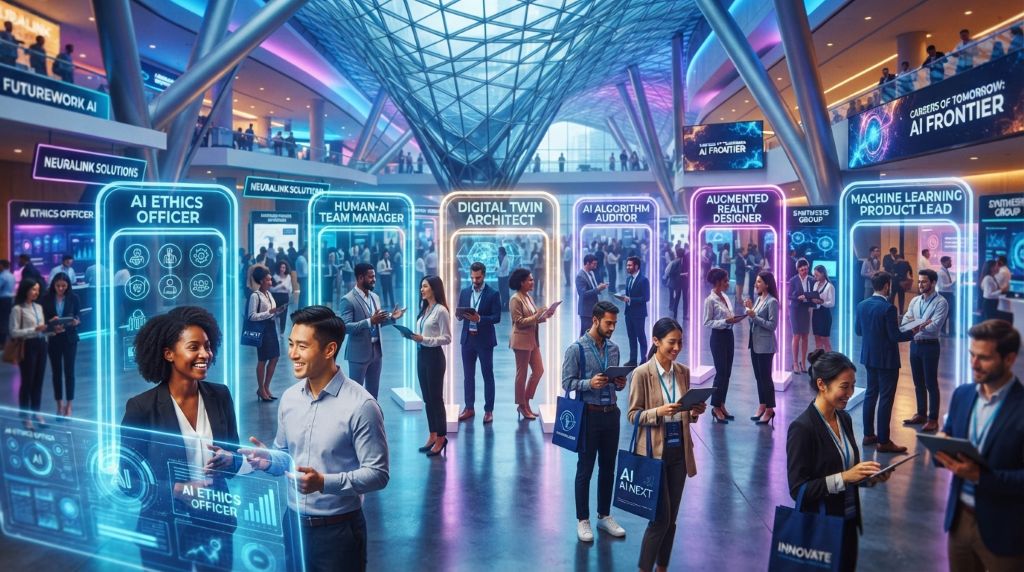
Career change creates anxiety, but it also creates entirely new doors. Every major technology wave has produced jobs nobody predicted. The current wave is no different. Entire career paths are opening across every industry right now.
Here are some of the fastest-growing opportunities:
- Automation specialists: People who identify repetitive tasks and set up software to handle them.
- Data analysts: Professionals who translate raw numbers into plain business advice.
- Digital marketing managers: Experts who grow brands through search, social, and email.
- Customer experience designers: Specialists who blend human service with automated support.
- Technology trainers: People who teach work teams how to use new tools confidently.
Additionally, many existing careers are transforming rather than disappearing. A salesperson now uses smart tools to qualify leads, so she spends more time closing deals. A recruiter screens candidates faster, so he invests more hours in interviews. An accountant automates data entry, so she advises clients on growth instead.
Freelancing adds another powerful path. Online platforms let skilled individuals serve clients worldwide from a laptop. Therefore, one person can now build a career that once required an entire agency. Writers, designers, analysts, and consultants all benefit from this shift.
The pattern across all these roles is consistent. They reward people who understand both the technology and the humans using it. Purely technical experts face stiff competition. However, professionals who bridge both worlds remain rare and well paid. Position yourself in that middle ground, and opportunity will follow you.
How to Future-Proof Your Career Step by Step
Understanding the trends is only half the battle. The other half is action. Fortunately, career protection does not require dramatic life changes. It requires small, consistent steps that compound over months.
Follow this practical roadmap:
- Audit your current tasks. List what you do each week. Mark which tasks are repetitive and which need judgment.
- Learn one tool each quarter. Pick software relevant to your field. Master it before moving on.
- Take a free online course. Platforms offer short courses in data, marketing, and communication.
- Build a visible portfolio. Document your projects and results. Share them on professional profiles.
- Grow your human skills. Practice public speaking, negotiation, and mentoring regularly.
- Stay connected. Join industry groups online. Many opportunities arrive through people, not job boards.
Each step takes a few hours per week. However, together they build serious momentum. After one year, you will hold skills that many colleagues lack entirely.
Additionally, track your progress honestly. Write down what you learn each month. This habit builds confidence and reveals patterns in your growth. Moreover, it gives you ready material for job interviews and promotion talks.
Finally, adopt the right mindset. Treat every new tool as an experiment, not a threat. Curious professionals adapt quickly. Fearful professionals stall. Therefore, choose curiosity deliberately, even when change feels uncomfortable.
A Story That Changed My Perspective
Let me share a story that stays with me. Two years ago, my neighbor Marcus worked as a bookkeeping clerk. He had held the same job for fifteen years. Then his company introduced new software that automated invoice processing. Marcus became convinced his career was over. He was fifty-one years old and terrified.
We sat down together one weekend, and I asked him a simple question: What did clients and colleagues actually value about his work? His answer surprised him. They trusted his judgment, relied on his deep business knowledge, and often turned to him to explain confusing numbers in simple, easy-to-understand terms.
Therefore, Marcus made a plan. He spent one hour each evening learning the new software. Then he took a short free course on creating simple business dashboards. Within six months, he was building the monthly reports his whole department used. Within a year, he was promoted to operations analyst. His salary rose, and his fear disappeared.
Marcus later told me something I now repeat often. “The software did not replace me,” he said. “It replaced the part of my job I hated anyway.” His story proves that adaptability has no age limit. Experience plus basic digital skills remain a powerful combination. Additionally, his company did not want a young programmer. It wanted a trusted insider who understood numbers and people.
Conclusion: Your Career Future Starts Today
The future of careers is not a threat waiting to strike. It is an invitation to grow. Smart technology will handle routine tasks. However, humans will remain essential for judgment, creativity, and connection. The professionals who thrive will blend both worlds. As technology continues to reshape workplaces, emerging roles such as Cybersecurity Analysts show how new opportunities can develop alongside digital change.
Remember the core lessons. Skills are changing quickly, so keep learning steadily. Build digital comfort alongside human strengths. Additionally, watch for new roles emerging in your own industry. Opportunity favors those who move early.
Start this week. Pick one repetitive task and find a tool that handles it. Then reinvest your saved time into one new skill. Small actions today shape your career for decades.
Now I want to hear from you. How has technology changed your career, and what skill are you learning next? Share your thoughts in the comments below. Additionally, if this article helped you, share it with a colleague who needs encouragement today.
Frequently Asked Questions
Will technology take away my job?
Unlikely to take the whole job. It will change your daily tasks. Workers who learn the tools usually benefit the most.
Which digital skill should I learn first?
Start with basic data skills, like spreadsheets and reading charts. Add one tool relevant to your field next.
Do I need a college degree for future careers?
No. Many growing roles value short courses, certificates, and real project examples over formal degrees.
How much time should I spend learning each week?
Three to five hours weekly is enough. Steady small habits beat rare, exhausting study marathons.
Which jobs are safest from automation?
Roles built on empathy, judgment, and hands-on skill. Examples include healthcare, teaching, trades, and creative leadership.