

23 Jul How to Cure Mirror Blind Spots in Cars: Simple Fixes That Work
Driving safely requires clear visibility and awareness of your surroundings. However, blind spots in car mirrors can pose significant risks, making it difficult to see vehicles, pedestrians, or obstacles in certain areas. These blind spots are areas around your vehicle that are not visible through your side or rearview mirrors. Fortunately, there are practical solutions to address this issue. This article explores effective methods for how to cure mirror blind spots in cars, ensuring safer driving experiences with simple, actionable fixes.
Understanding Mirror Blind Spots
Before diving into solutions, it’s essential to understand what causes mirror blind spots. Blind spots occur because standard car mirrors have a limited field of view, typically missing areas on the sides and rear of the vehicle. These gaps can hide other cars, cyclists, or pedestrians, increasing the risk of collisions during lane changes or reversing. Factors like mirror size, vehicle design, and driver positioning can influence the size of these blind spots. Thankfully, by learning how to cure mirror blind spots in cars, you can significantly reduce these risks with practical adjustments and tools.
Adjusting Your Mirrors Properly
One of the simplest and most effective ways to minimize blind spots is by correctly adjusting your side and rearview mirrors. Many drivers position their mirrors incorrectly, leaving large blind spots. To optimize your mirrors, follow these steps:
- Side Mirrors: Lean your head toward the driver-side window and adjust the mirror until you can barely see the side of your car. For the passenger-side mirror, lean toward the center of the vehicle and do the same. This widens the field of view, reducing blind spots.
- Rearview Mirror: Adjust the rearview mirror to show the entire rear windshield, ensuring you can see directly behind your vehicle without moving your head excessively.
This method, often called the “blind spot monitoring system” adjustment, ensures that vehicles transitioning from your rearview mirror to your side mirrors remain visible, minimizing gaps. Regularly check your mirror adjustments, as they can shift over time.
Adding Blind Spot Mirrors
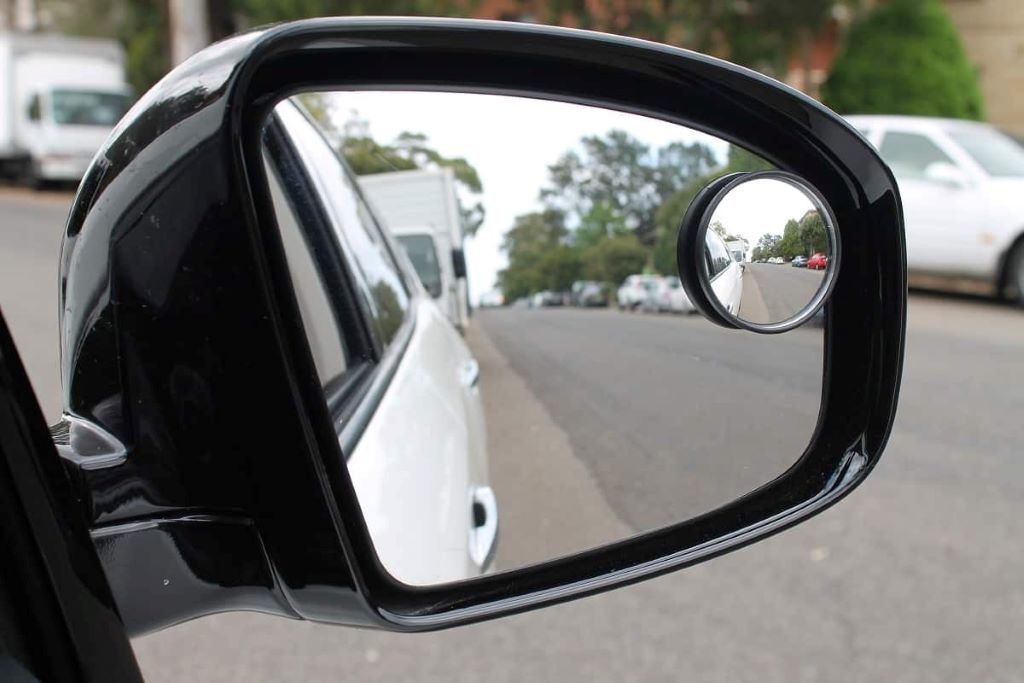
Another practical solution is to install blind spot mirrors, which are small, convex mirrors that attach to your existing side mirrors. These affordable accessories, available at automotive stores like autonags.com, provide a wider field of view, allowing you to see areas typically hidden. Blind spot mirrors are easy to install with adhesive backing and can be adjusted to suit your preferences. They are particularly useful for larger vehicles like SUVs or trucks, which often have larger blind spots.
To install blind spot mirrors, clean the surface of your side mirror, peel off the adhesive backing, and place the convex mirror in a corner where it doesn’t obstruct your primary view. Test the positioning by checking for visibility in areas previously hidden. These mirrors are a cost-effective way to enhance safety without requiring advanced technology.
Utilizing Technology for Blind Spot Detection
Modern vehicles often come equipped with advanced blind spot monitoring systems, but older models can be retrofitted with aftermarket solutions. These systems use sensors, cameras, or radar to detect objects in your blind spots and alert you with visual or audible signals. For example, some systems display a warning light on your side mirror when a vehicle is detected. Others may include rear cross-traffic alerts for safer reversing.
If your car doesn’t have built-in blind spot monitoring, aftermarket kits are available. These kits typically include sensors that mount on your rear bumper or mirrors and connect to a display or warning system inside the vehicle. While more expensive than blind spot mirrors, they offer a high-tech solution for drivers seeking added peace of mind. Research reputable brands and ensure professional installation for optimal performance.
Practicing Safe Driving Habits
Even with properly adjusted mirrors and additional tools, safe driving habits are crucial for managing blind spots. Always check your mirrors and physically turn your head to glance over your shoulder before changing lanes or merging. This habit, known as the “shoulder check,” ensures you don’t miss anything in your blind spots. Additionally, maintain a safe following distance to give yourself more time to react to vehicles entering your blind spots.
Another tip is to drive at a consistent speed in traffic to reduce the likelihood of vehicles lingering in your blind spots. If you notice a car in your blind spot, adjust your speed slightly to move out of alignment. Staying proactive and alert can prevent accidents, even with the best mirror setups.
Upgrading to Wide-Angle Mirrors
For drivers seeking a more permanent solution, replacing standard side mirrors with wide-angle or convex mirrors can significantly reduce blind spots. These mirrors provide a broader field of view compared to factory-installed flat mirrors. However, they may slightly distort distances, so it’s important to practice using them to gauge distances accurately.
Wide-angle mirrors are available for most vehicle models and can be installed by a professional or as a DIY project if you’re comfortable with basic car maintenance. Check your local regulations, as some regions have restrictions on mirror types to ensure compliance with safety standards.
Maintaining Mirror Clarity
Foggy, dirty, or damaged mirrors can exacerbate blind spot issues by reducing visibility. Regularly clean your mirrors with a glass cleaner and a microfiber cloth to remove dirt, smudges, or water spots. For drivers in humid or rainy climates, consider applying an anti-fog coating to prevent condensation. These coatings are available at most auto parts stores and can be applied in minutes.
If your mirrors are cracked or faded, replace them promptly to ensure clear visibility. Maintaining mirror clarity is a simple yet often overlooked step in curing blind spots effectively.
Training and Awareness for New Drivers
New drivers are particularly vulnerable to blind spot-related accidents due to inexperience. If you’re teaching a new driver, emphasize the importance of proper mirror adjustment and shoulder checks. Practice in a safe, open area like an empty parking lot to help them understand their vehicle’s blind spots. Additionally, encourage them to use blind spot mirrors or monitoring systems to build confidence.
Experienced drivers can also benefit from periodic refreshers. Take time to reassess your mirror setup and driving habits to ensure you’re minimizing blind spots effectively. Staying proactive about safety can make a significant difference on the road.
FAQs About Curing Mirror Blind Spots in Cars
-
What is the easiest way to reduce blind spots in my car?
The easiest way is to adjust your side and rearview mirrors properly to widen your field of view. Adding affordable blind spot mirrors is another quick and effective solution.
-
Are blind spot mirrors legal to use?
Yes, blind spot mirrors are legal in most regions, but always check local regulations to ensure compliance with vehicle safety standards.
-
Can I install blind spot monitoring systems on an older car?
Yes, aftermarket blind spot monitoring kits are available for older vehicles. These systems use sensors or cameras and can be installed professionally or as a DIY project.
-
How often should I check my mirror adjustments?
Check your mirror adjustments every few months or after any maintenance that might affect their positioning, such as replacing a mirror or adjusting your seat.
-
Do wide-angle mirrors distort my view?
Wide-angle mirrors may slightly distort distances due to their convex shape, but with practice, drivers can adapt to accurately judge distances.
Conclusion
Curing mirror blind spots in cars is achievable with a combination of proper mirror adjustments, affordable tools like blind spot mirrors, and safe driving habits. By understanding how to cure mirror blind spots in cars, drivers can significantly enhance their safety on the road. Whether you opt for simple fixes like adjusting your mirrors or invest in advanced technology like blind spot monitoring systems, these solutions are practical and effective. Regularly maintaining your mirrors and staying vigilant with shoulder checks further reduces risks. Ultimately, taking proactive steps to address blind spots ensures a safer, more confident driving experience for you and those around you.
Read More: Why Does My Car’s Paint Fade Faster in Areas With High UV Exposure?