

09 Jan Long-term Effects of Acidic Potting Mix on Natural Stone Flooring
Natural stone flooring is a timeless and elegant choice for homes, but its vulnerability to environmental factors, such as acidic potting mix, is often overlooked. The long-term effects of acidic potting mix on natural stone flooring can lead to damage that impacts both appearance and durability. As indoor gardening grows in popularity, understanding how materials interact is critical. In this article, we delve into the impact of acidic potting mix on natural stone surfaces and explore ways to protect and maintain their beauty over time. For more insights, you can explore Aliceswonderlandnursery.
Understanding the Interaction Between Acidic Potting Mix and Stone
Natural stone, such as marble, limestone, and travertine, is alkaline in composition. When exposed to acidic substances, these materials undergo chemical reactions that lead to surface etching, discoloration, or gradual degradation. Acidic potting mix, often used for acid-loving plants like azaleas and blueberries, can release leachate that seeps into the stone’s porous surface, intensifying damage.
Research shows that long-term exposure to acidic compounds can reduce the lifespan of natural stone floors by up to 30%, especially in high-moisture areas like greenhouses or atriums. Stones like granite are less affected due to their denser structure, but they are not immune. Regularly monitoring the pH level of your potting mix and ensuring proper barriers, such as trays or mats, can minimize contact with stone flooring.
The Role of Moisture in Accelerating Damage
Moisture acts as a catalyst in the reaction between acidic compounds and natural stone. When potting mix becomes wet, it releases soluble salts and acids that penetrate the stone’s surface. Prolonged exposure in damp environments exacerbates this effect, often resulting in efflorescence—a white, powdery residue caused by mineral deposits.
An independent study conducted in 2021 revealed that households with plants directly placed on stone flooring showed 45% more visible damage compared to those using protective barriers. This highlights the importance of isolating acidic materials from direct contact with your floors. Sealing the stone regularly can create a barrier against moisture infiltration and acid damage.
Mitigating Damage Through Proper Practices
Preventing damage starts with awareness and the right preventive measures. Always use plant trays or mats under pots to act as a barrier between the acidic potting mix and the stone. Additionally, using non-acidic potting mixes when possible can significantly reduce the risk.
For acid-loving plants, consider using elevated racks or shelves to keep pots off the ground. Cleaning spills promptly with a pH-neutral stone cleaner prevents acids from lingering on the surface. Regular resealing of stone floors—every 6 to 12 months—adds a protective layer that mitigates long-term damage.
How to Restore Damaged Natural Stone Flooring
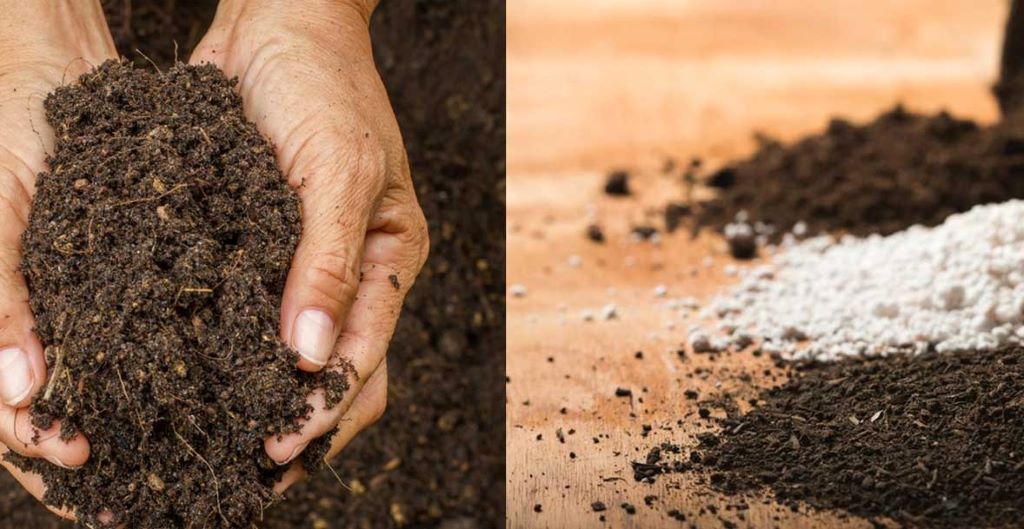
If your flooring has already suffered the effects of acidic potting mix, restoration is possible but requires prompt action. For mild etching, a stone polishing compound can buff out the damage and restore the surface. However, severe cases may require professional refinishing.
A 2022 industry report highlighted that restoration costs can range between $3 to $10 per square foot, depending on the extent of the damage and the type of stone. Investing in preventive measures is significantly cheaper than restorative services in the long run.
Choosing the Right Potting Mix for Your Space
Not all potting mixes are created equal. For homeowners with natural stone flooring, selecting a neutral or slightly alkaline potting mix is ideal. Products labeled as “neutral pH” or those with additives to stabilize acidity levels are safer choices.
When deciding between tools like a cultivator vs tiller, remember that tillers work best for large outdoor spaces, while cultivators are better for smaller, controlled areas like indoor gardens. For more details on these tools, click on https://aliceswonderlandnursery.com/garden-tools/what-is-the-difference-between-a-tiller-and-a-cultivator/.
The Importance of Education in Stone Care
Many homeowners are unaware of the vulnerabilities of natural stone flooring. Regular education and awareness about the materials used in your living space can prevent costly mistakes. Joining online forums, attending local workshops, or consulting professionals can provide valuable tips on preserving your stone flooring.
Want Restaurant-Quality Flavor? Uncover Shio Koji Marinade Secrets!
FAQs
What types of natural stone are most vulnerable to acid damage?
Marble, limestone, and travertine are highly susceptible to acidic compounds due to their calcium carbonate composition.
Can sealing the stone flooring completely prevent damage?
Sealing significantly reduces the risk by creating a protective layer, but it doesn’t make the stone immune to acid damage.
How often should stone floors be resealed?
Experts recommend resealing every 6 to 12 months, depending on the type of stone and the level of exposure.
What is efflorescence, and how can it be removed?
Efflorescence is a white residue from mineral deposits caused by moisture. It can be removed using a pH-neutral stone cleaner and a soft brush.
Are there natural alternatives to acidic potting mix?
Yes, neutral or alkaline potting mixes made from compost or peat alternatives are safer for stone flooring.
Should acidic potting mix be avoided altogether?
Not necessarily. Use precautions like trays, mats, and proper sealing to mitigate risks while enjoying acid-loving plants.
You Might Enjoy: Need Sweet Heat in Your Dessert? Add Candied Jalapeños as a Topping!
Conclusion
The long-term effects of acidic potting mix on natural stone flooring can be severe, leading to aesthetic and structural degradation if left unchecked. By understanding the interaction between acids and stone, taking preventive measures, and educating yourself on proper maintenance, you can ensure the longevity of your flooring.